A drafty apartment window can make a small room feel unfinished no matter how carefully it is decorated. The sofa sits in a cold zone, the desk becomes uncomfortable after sunset, curtains billow when the wind rises, and the thermostat setting never matches how the room feels. Renters have an extra constraint: the best solution must usually be removable, affordable, and respectful of the lease. That does not mean accepting discomfort. It means designing a layered window system that improves warmth, privacy, light control, and moisture management without turning the apartment into a dark box.

This guide treats window insulation as an interior design problem as much as an energy problem. Fabric weight, rod placement, floor clearance, daylight, humidity, storage, and daily routines all matter. A thick curtain hung badly can underperform, collect dust, and make a room feel smaller. A modest shade plus a well-fitted curtain can feel calmer, look intentional, and leave enough light for everyday life.
Diagnose the window before choosing fabric
Start with a quiet inspection. On a windy or cold day, stand near the window and feel for air movement around the sash, frame, sill, lock, and trim. Use your hand, a lightweight tissue, or a narrow ribbon. Look for peeling paint, condensation between panes, soft wood, cracked caulk, loose locks, and gaps where the frame meets the wall. Photograph defects before covering them. If the window is damaged, does not lock, leaks water, or shows recurring mold, that is a maintenance issue, not a decorating challenge.
Next, map how the window affects the room. Does cold air fall onto a bed? Does afternoon sun overheat the desk? Does street light interrupt sleep? Does condensation appear behind closed curtains? Does the radiator, baseboard heater, or vent sit below the window? The answers determine the layering strategy. A bedroom may need blackout and side coverage. A work corner may need daylight and glare control. A bathroom or kitchen window may need privacy without trapping moisture.
Measure carefully. Record the glass size, the full frame size, the wall width available on each side, the distance from rod height to sill or floor, and any obstructions such as blinds, handles, radiators, sprinkler heads, or furniture. In rentals, measurements prevent impulse purchases. They also help you choose solutions that can move to the next apartment.
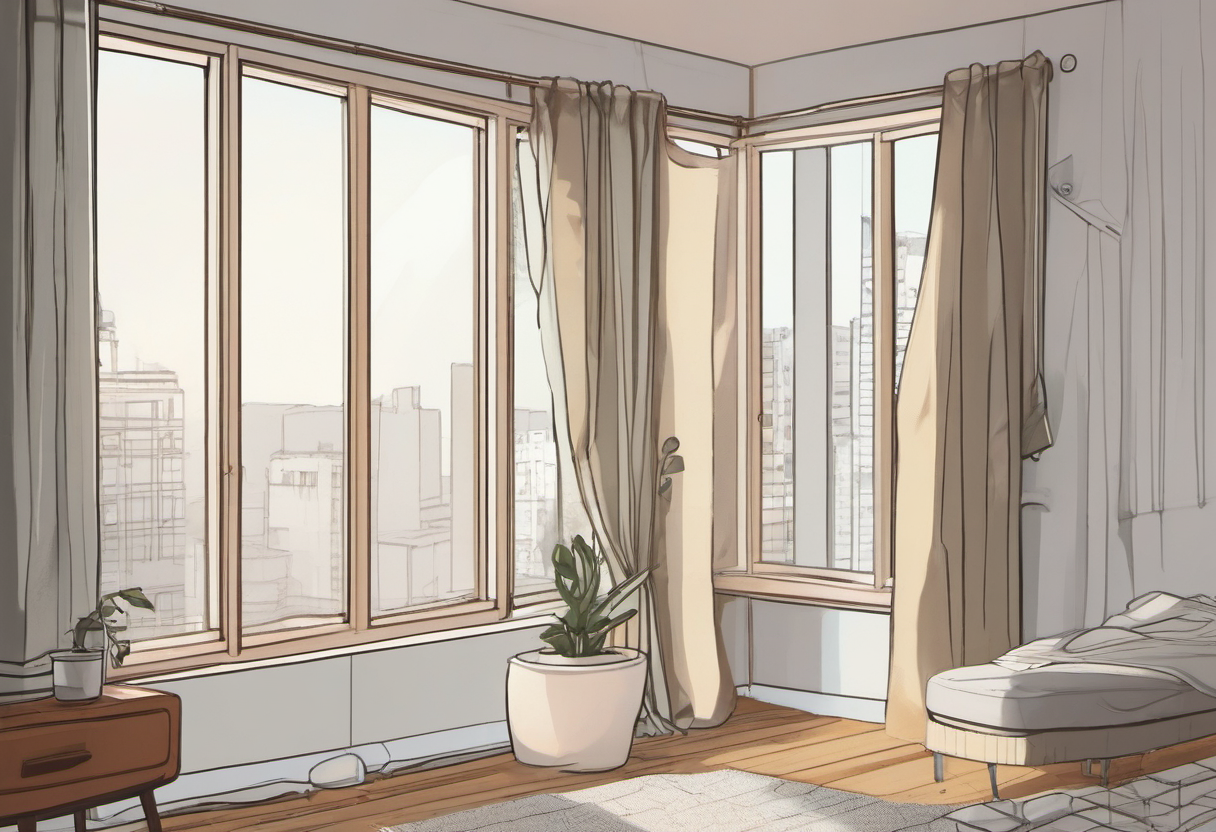
Layer from the glass outward
The most effective renter-friendly approach usually combines several modest layers. At the glass, a removable insulating film can reduce drafts around older windows during cold seasons if installed cleanly and removed according to instructions. It is not ideal for every window, especially where frequent opening, egress, or moisture is an issue. If you use film, keep one window or ventilation path available where needed and never cover a required emergency exit in a way that makes it hard to use.
Inside the frame, cellular shades can add insulation and light control while taking less visual space than heavy curtains. Tension-mounted versions may work in some frames, while other shades require hardware that a lease may not allow. If you cannot install a shade, consider a tension rod with a lined panel or a removable privacy curtain inside the recess. The goal is to slow air movement without sealing the room so tightly that moisture becomes trapped.
Outside the frame, curtains do the aesthetic and comfort work. For cold drafts, mount curtains wider and higher than the window when allowed, so fabric overlaps the wall and reduces side gaps. If you cannot drill, use a sturdy tension rod inside the frame, a no-drill bracket compatible with the trim, or a freestanding curtain stand. Choose the safest method for the window shape and household. A falling rod is not renter-friendly.
Choose textiles for performance and room feel
Thermal curtains vary widely. Look for dense weave, lining, washable care instructions, and enough width to create fullness when closed. A curtain that barely spans the window leaves gaps and looks strained. Aim for panels that still have soft folds when drawn. If the room is tiny, choose a color close to the wall or a calm texture rather than a heavy dark block. Visual weight matters in small apartments.
Blackout lining is helpful for sleep, glare, and summer heat, but it can make a room too dark during the day. In a studio, consider a two-layer system: a light-filtering privacy layer for daytime and a thermal or blackout layer for night. Rings or glides that move easily encourage daily use. If opening the curtain feels like a chore, it will stay closed, and the room will lose daylight.
Pay attention to length. Floor-length curtains can reduce drafts and look polished, but they should not cover electric heaters, radiators, baseboard units, or vents in unsafe ways. Follow appliance and building guidance. If heat comes from below the window, use shorter panels, holdbacks, or a shade-and-side-panel combination so warmth can circulate. Interior design should never fight the heating system.
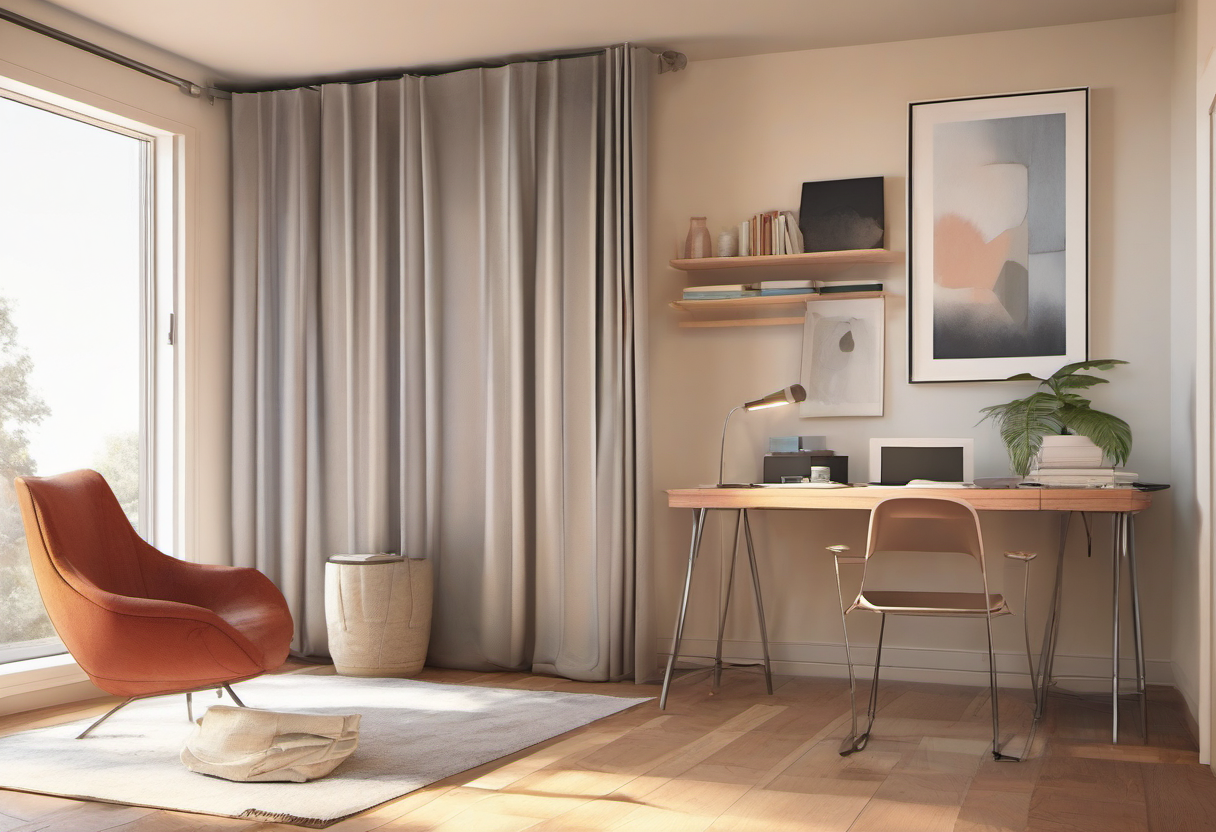
Control drafts without trapping moisture
Draft snakes, removable weatherstripping, and soft sill pads can improve comfort around specific gaps. Use products that match the surface and remove cleanly. Test adhesive in an inconspicuous spot if the lease allows removable products. Avoid permanent caulk, expanding foam, or anything that could damage finishes unless the owner approves it in writing.
Moisture is the hidden risk. When warm indoor air meets cold glass, condensation can form behind closed curtains or shades. If you see water on the glass, open the layers during the day, wipe moisture, run ventilation when cooking or showering, and keep furniture slightly away from the wall. Do not pack storage bins tightly against a cold window wall. Air needs a path to dry surfaces.
In humid climates or poorly ventilated apartments, window insulation must work with the whole room. A dehumidifier may help in some situations, but it adds heat, noise, and energy use. More often, better bathroom fan habits, kitchen ventilation, and less clutter around exterior walls make the biggest difference. If condensation persists despite normal habits, document it and contact the landlord or building manager.
Plan daylight, privacy, and daily movement
Small-space insulation fails when it ignores how people move. A window over a desk may need top-down privacy or a sheer layer so the room stays bright. A bedroom facing streetlights may need side returns and blackout. A living room with plants may need a winter routine that opens curtains in daylight and closes them before evening cold. Write the routine into the room design: easy pulls, reachable cords kept safe, tiebacks at the right height, and a place for panels to stack without blocking shelves.
Privacy does not always require darkness. Frosted removable film, cafe curtains, or woven shades can protect sightlines while keeping daylight. For renters who move often, neutral panels and adjustable rods are more portable than custom solutions. If the budget is tight, improve the coldest or most-used window first rather than buying thin panels for every window.
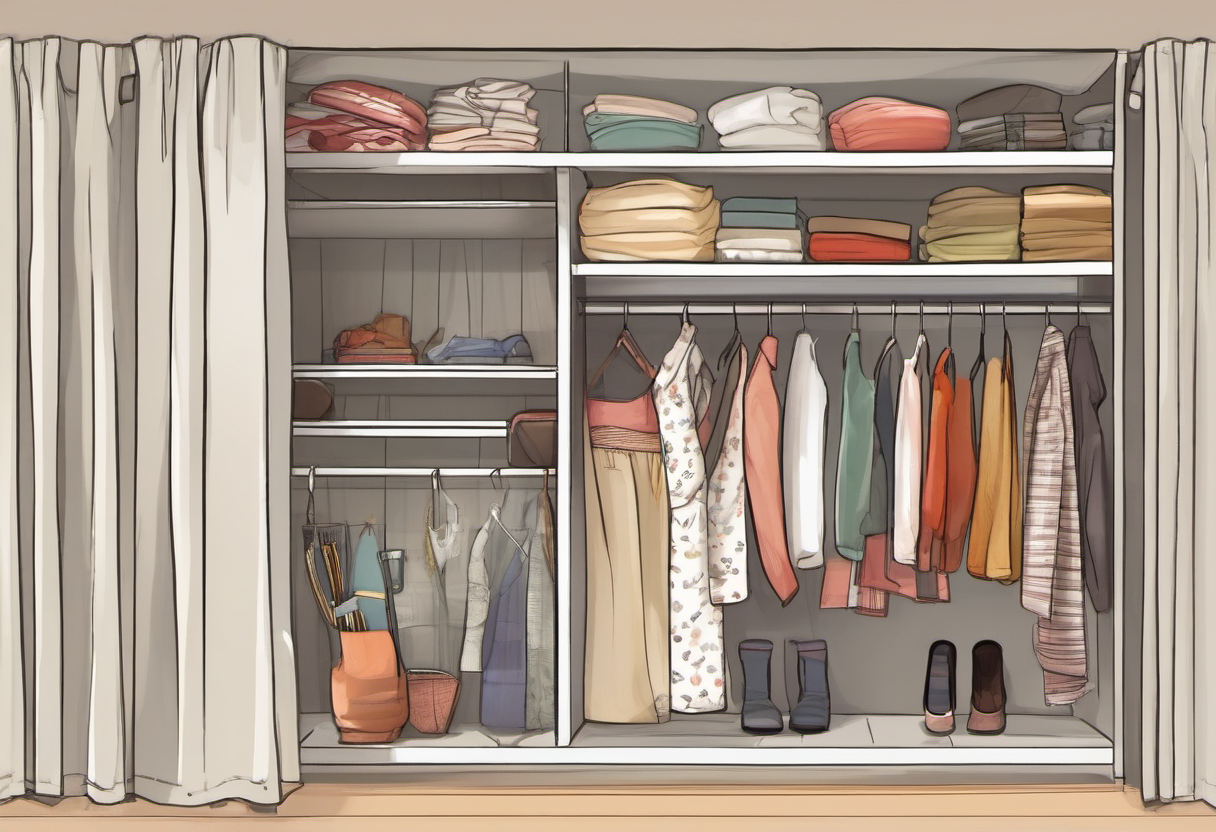
Store seasonal layers like part of the design
Thermal window systems are seasonal in many apartments. Heavy liners, draft snakes, and film kits may disappear in spring. Store them clean, labeled, and dry. A breathable fabric bag under the bed or on a closet shelf works better than a mystery pile in a plastic bin. Keep clips, rings, measuring notes, and installation instructions together so the next cold season starts quickly.
If you move, the notes are valuable. Window widths, panel lengths, and rod types help you reuse what fits and donate what does not. Renter-friendly design improves when each purchase has a second life. Before buying, ask whether the item can adapt to a different window, a closet doorway, or a room divider later.
When to escalate beyond decor
Some window problems are not solvable with curtains. Water intrusion, broken locks, severe drafts, cracked glass, rot, persistent mold, and unsafe egress require repair. Send concise maintenance requests with dates, photos, and the effect on use of the room. Keep records. If the apartment has health or safety issues, follow local tenant procedures rather than relying on another layer of fabric.
Renter window insulation checklist
- Inspect the window for air, water, lock, and frame problems.
- Photograph repair issues before covering them.
- Measure glass, frame, wall overlap, rod height, and obstructions.
- Choose glass, shade, and curtain layers based on the room’s job.
- Keep heaters, vents, cords, and egress safe.
- Use removable draft fixes only where they suit the surface.
- Open layers regularly to manage daylight and condensation.
- Store seasonal textiles clean and labeled.
- Escalate defects that curtains cannot reasonably solve.
A well-designed renter window system is quiet in the best sense. It makes the room feel warmer, softer, more private, and more deliberate without announcing itself as a workaround. The right layers let you keep the lease, keep the light, and keep the small apartment comfortable through more of the year.