Map the reading seat, desk, dining area and walking path before buying lamps. This is an editorial placement plan for renters, not a measured illuminance study or a professional electrical inspection.
Layered lighting makes small rooms feel intentional
Small apartments often come with one ceiling fixture in the center of the room. That light is convenient for cleaning but harsh for living. Layered lighting spreads smaller sources around the room so each activity has the right mood and visibility. Designers use layers because they create depth: ambient light for orientation, task light for work, accent light for texture, and decorative light for personality.
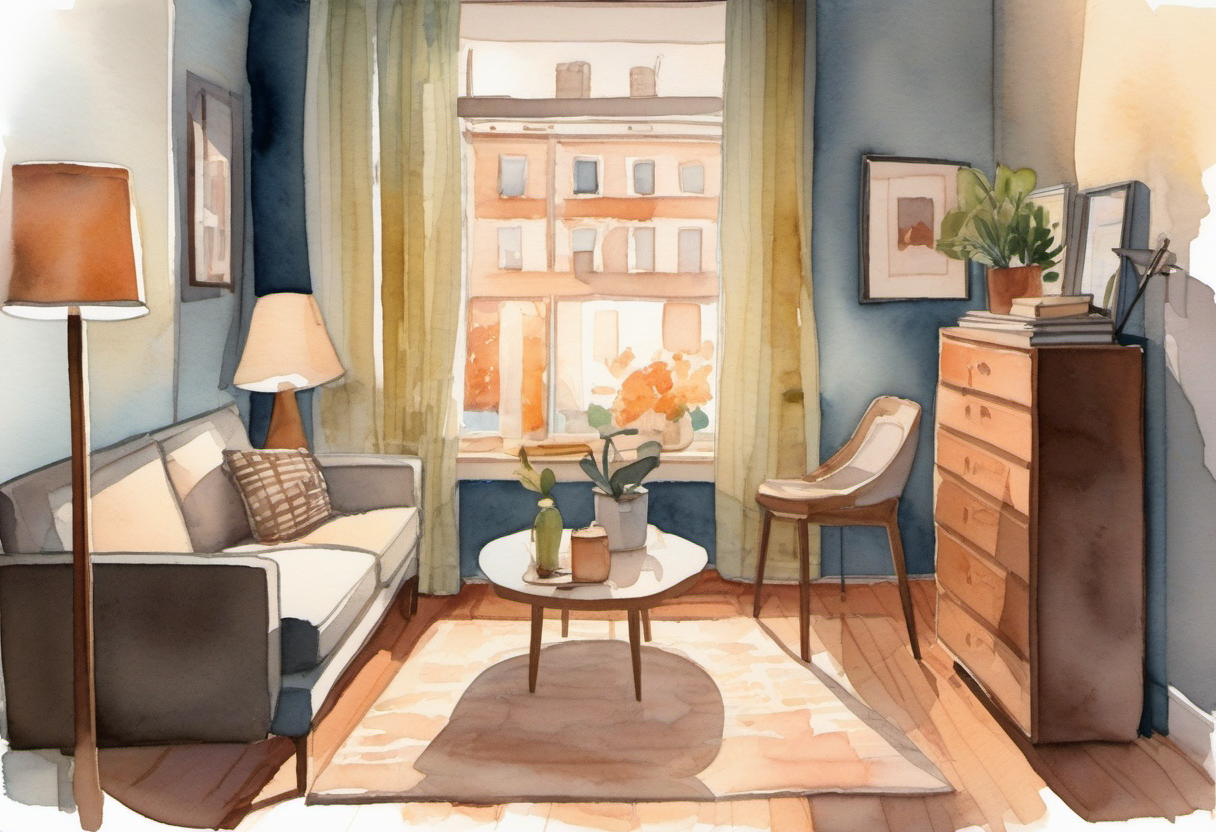
Start with the activities, not the fixtures
List what actually happens in the room: reading, laptop work, cooking, dining, video calls, relaxing, hosting, and getting ready. Each activity needs a light position. A sofa needs a reading lamp at shoulder height. A desk needs glare-free task light. A dining corner needs a warm pool of light. The fixture style comes later. If you buy pretty lamps before mapping activities, you may still have shadows in the places you use most.
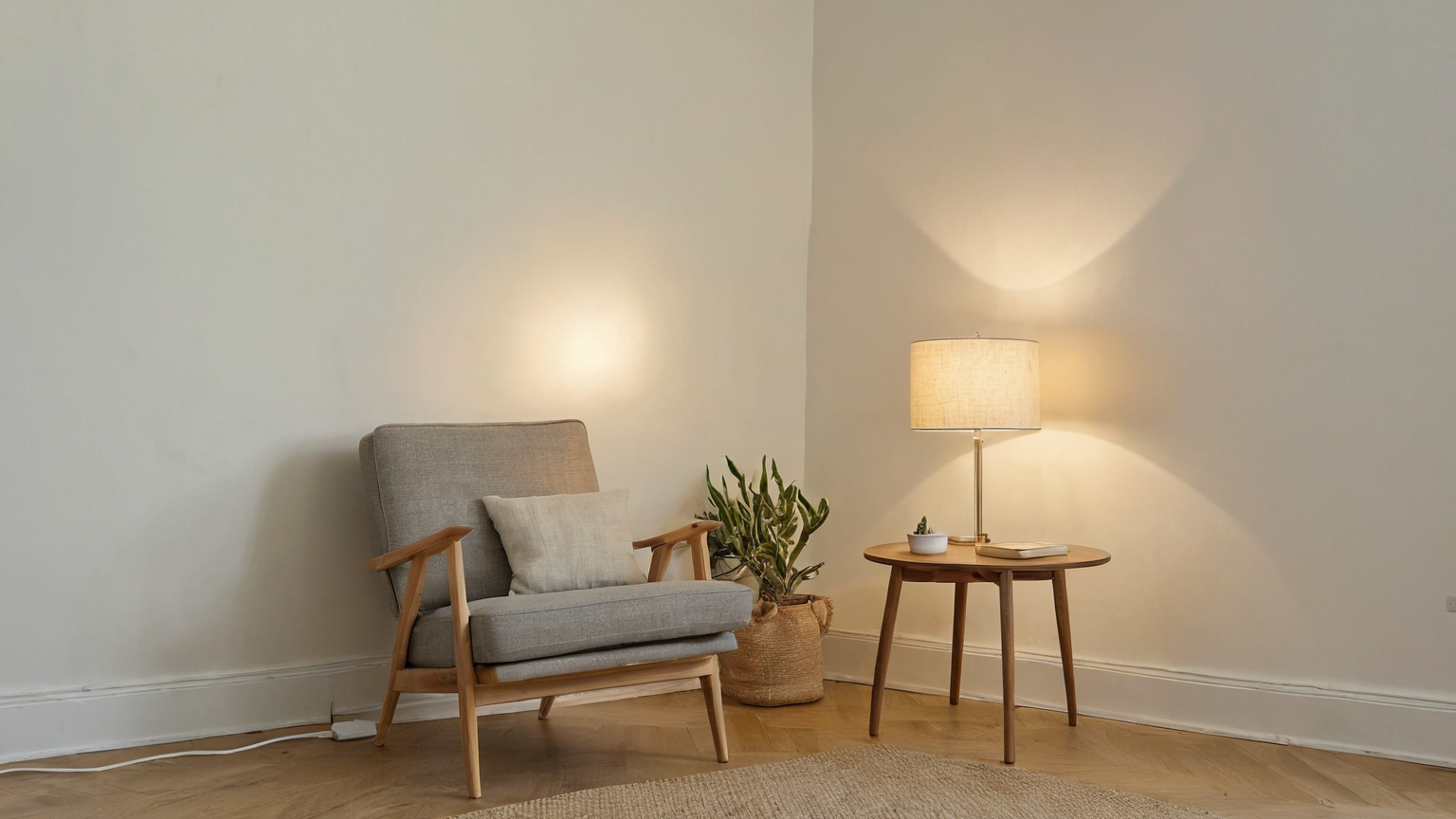
Create soft ambient light without rewiring
Renters can improve ambient light with floor lamps, plug-in pendants, shaded table lamps, and uplights aimed at a wall or ceiling. The trick is diffusion. Bare bulbs create hotspots; shades and bounced light make the room feel larger. Place ambient sources in corners to lift the edges of the room. If the apartment has a cold overhead fixture, put it on a smart bulb or use it only when cleaning.
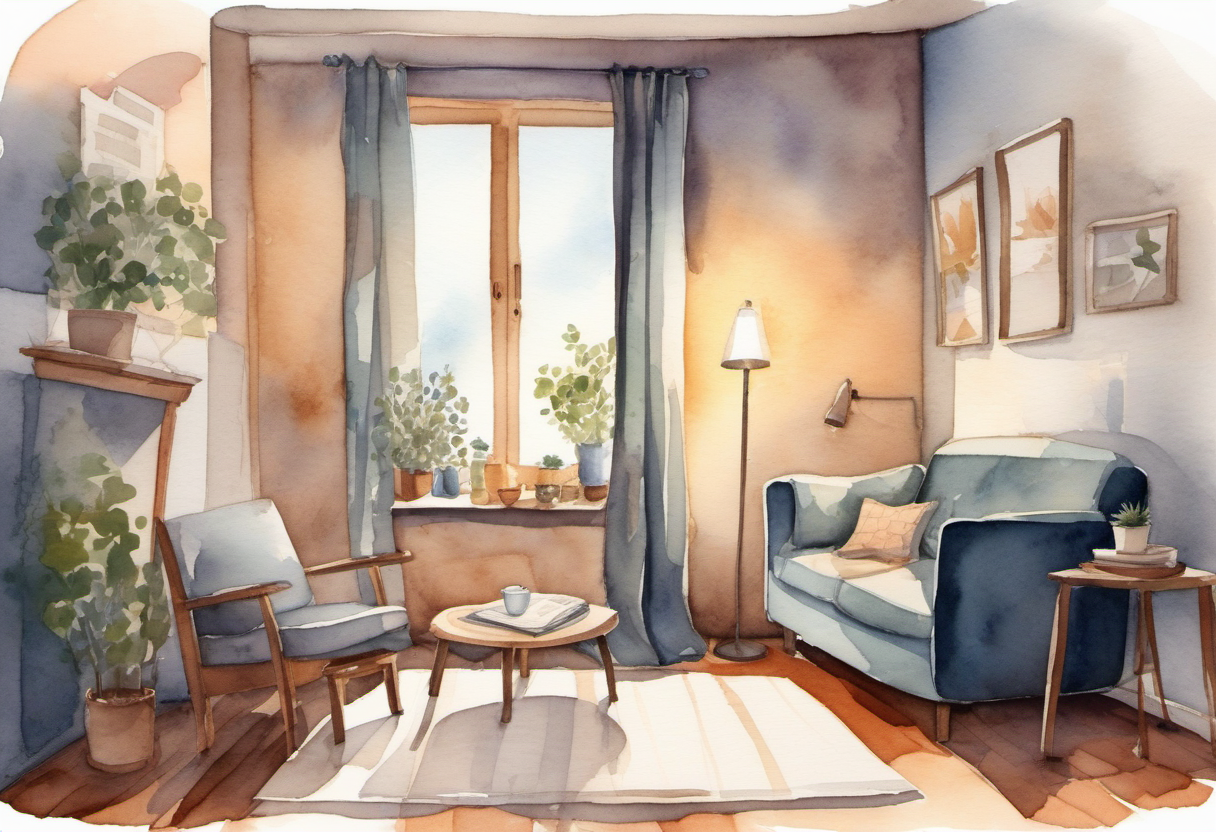
Add task lighting where precision happens
Task light should illuminate the work surface without shining into your eyes or reflecting off a screen. For a desk, put the lamp on the opposite side of your writing hand to reduce shadows. For a reading chair, place the shade so the light lands on the page, not your face. For a kitchen without under-cabinet lighting, a plug-in bar or rechargeable puck can help, but check heat, mounting, and charging habits before relying on it every night.
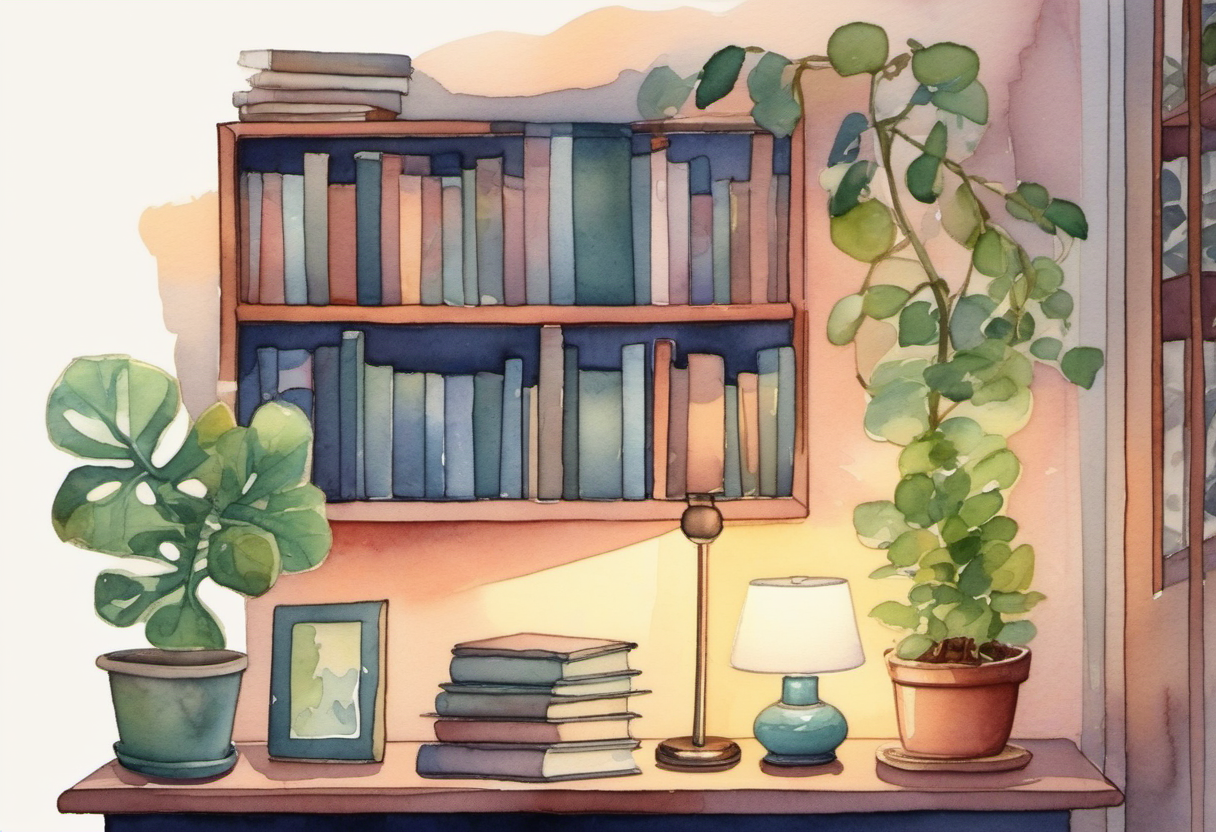
Use accent light to make the room deeper
Accent light is the small-apartment secret because it pulls attention to surfaces instead of square footage. Aim a compact lamp at a plant, bookshelf, art print, textured curtain, or ceramic object. Use low brightness. The goal is not to spotlight like a gallery; it is to create a second visual plane behind the furniture. This makes a studio feel less like one box.
Hide cords in a renter-safe way
Cords ruin otherwise good lighting plans. Use adhesive cord channels, fabric cord covers, cable clips behind furniture, and power strips mounted where allowed. Do not overload outlets or run cords under rugs where heat and damage can hide. Choose fixtures with switches you can reach from the activity zone. A beautiful lamp across the room will not be used if you have to stand up every time.
Separate bulb output from measured room light
ENERGY STAR explains that lumens measure light output, not electrical watts. Its 800-lumen comparison concerns the output of a traditional 60-watt incandescent bulb, not a target for every room or proof of adequate desk lighting. Room illuminance also depends on distance, shades, beam direction and reflections. For example, two bulbs rated at 800 lumens total 1,600 lumens of rated output; that arithmetic does not establish a measured lux value at a desk. Check the actual work surface for glare and shadows. Treat the lamp-count suggestions here as design starting points, not measurements from a tested apartment.
Choose bulbs as a palette
Keep bulbs in one zone close in color temperature so the room does not look patchy. Warm light suits relaxing and dining; neutral light suits desks, closets, and kitchens. Dimmable bulbs are worth it when a lamp serves more than one mood. Pay attention to shade material because a warm bulb through a colored shade can shift dramatically. Buy one test bulb before replacing the whole apartment.
A sample plan for a studio
Use a shaded floor lamp in the far corner for ambient light, a desk lamp with adjustable arm for work, a plug-in sconce beside the bed, a small accent lamp on a shelf, and a warm dining lamp or pendant over the table. Put the overhead on a low-priority role. The result is five controlled pools of light, each supporting a behavior, all removable when the lease ends.
Work with shadows instead of eliminating them
A room without shadows feels flat, but a room with harsh shadows feels stressful. Layered lighting creates soft contrast. Let corners glow, let art catch a little light, and let the sofa area feel warmer than the work area. In small apartments, this visual zoning can replace physical partitions. A reading corner, dining nook, and sleep area can feel separate even when they share one room, simply because each has its own light temperature and height.
Pay attention to lamp height
Lamp height changes everything. A floor lamp that shines into seated eyes will be irritating no matter how beautiful it is. A table lamp with a shade too low may light only the tabletop. Plug-in sconces should sit where they support the activity: beside a bed for reading, beside a sofa for conversation, or above a shelf for accent. Before mounting anything adhesive, tape a paper marker to the wall and live with the height for a day.
Use dimmers as a rental superpower
Plug-in dimmers and smart bulbs give renters control without rewiring. They are especially helpful in studios where the same lamp may support work, dinner, and winding down. Create three scenes: bright clean-up, focused task, and evening calm. Keep the clean-up scene functional but do not live under it all evening. Most apartments feel better when the default mode is lower, warmer, and distributed across several sources.
Safety is part of the design
A good lighting plan should not create trip hazards or overloaded outlets. Keep cords along walls, avoid running them under rugs, and use properly rated extension products. Heavy floor lamps should be stable near pets, children, or narrow paths. Rechargeable lights are useful, but only if you actually recharge them; otherwise they become dead decor. Design is not separate from maintenance. The best plan is attractive, safe, and easy to reset.
Measure the usable space before placing a lamp
Measure the narrowest route with the furniture in its normal position, not just the empty room. Include a pulled-out dining chair, an open wardrobe door, the lamp base and its cable. Record the shade width as well as the base: a narrow foot with a wide shade can still collide with a door. Check that the switch remains reachable without stepping into a dark aisle. These measurements are a household planning exercise, not a substitute for local accessibility or building requirements.
For example, assume a route is 90 cm wide before a 25 cm lamp base is added. If the entire base projects into that route, the remaining width is 90 − 25 = 65 cm. That arithmetic does not establish that 65 cm is safe or compliant. It shows why a lamp that fits on a shopping diagram may be a poor choice beside a frequently used door. Try another corner or a smaller base rather than turning a circulation problem into a permanent obstacle. Include mobility aids, visitors and pets in your decision.
A labeled electricity-use example
The following values are hypothetical inputs, not product specifications, live tariffs or measured savings. Use the wattage on your actual bulb or luminaire label and the marginal electricity rate on your own bill. Brightness and power are different quantities: lower wattage alone does not tell you whether a task surface is adequately lit. This example compares operating time, not the quality of light.
| Assumed light | Power input | Daily use | Daily electricity |
|---|---|---|---|
| Ambient lamp | 8 W | 4 hours | 32 Wh |
| Reading lamp | 6 W | 2 hours | 12 Wh |
| Accent lamp | 4 W | 3 hours | 12 Wh |
| Total for this example | Different operating times | Do not sum as one shared schedule | 56 Wh = 0.056 kWh |
At an assumed rate of $0.20 per kWh, 30 identical days would cost 0.056 × 30 × $0.20 = $0.336, or about $0.34. This excludes standby draw, fixed charges, tax and any tariff variation. It is not a promise about your bill or a reason to leave unused lighting on. If the ambient lamp is used for eight hours instead of four, recalculate its contribution rather than multiplying every row by the same factor. A switched-off accent light saves more than an imagined efficiency improvement that is not actually used.
Compare removable options by constraints
| Option | What to measure or check | Reason to reject it |
|---|---|---|
| Floor lamp | Base and shade clearance, stability, switch access | Narrows a doorway or can be tipped during normal movement |
| Table lamp | Shelf depth, cord exit and seated eye line | Shade projects beyond the support or exposes a glaring bulb |
| Plug-in sconce | Mounting instructions, allowed fixings and cable route | Requires an unapproved fixing or the specified support cannot be provided |
| Rechargeable light | Charging location, stated run time and intended environment | Needed task light regularly runs out or is used outside its rating |
Do not treat an adhesive hook as permission to support any fixture. A renter-friendly product is only removable when the surface, specified fasteners, weight and lease conditions all match. Read the mounting instructions before deciding on a height. If wall mounting is uncertain, a freestanding or tabletop lamp may be the better reversible choice. Never improvise a mains connection to make a decorative fixture fit a rental.
Check glare at the actual activity position
Sit in the reading chair, lie on the bed and stand at the kitchen worktop. A shade that looks comfortable from the center of the room may expose the bulb from one of those positions. On a desk, test with the screen at its normal angle and with both daylight and evening lighting. Move the lamp before increasing power: added brightness can make a reflection worse rather than improve visibility. For writing, observe whether your hand throws a shadow across the page, then try the opposite side.
Keep a short placement note: which activity was difficult, where the lamp was located and whether the bulb or reflected light was visible in your eyes. This is a reader-run comfort check, not an expert-reviewed result. Stop using a setup that causes discomfort and seek appropriate advice if a vision or health issue affects your lighting needs. The plan should adapt to the person rather than insist on one fashionable color temperature.
A one-week placement trial with clear pass and fail conditions
On the first evening, use existing lamps and move only one at a time. Read a normal page, prepare a meal and walk through the room without turning on every light. On another evening, try the same activities with a visitor or another household member present. Check whether someone has to move the lamp to open a door, reach a switch, or charge a phone. A setup fails the trial if it creates a cable hazard, obstructs an exit, regularly produces glare or needs constant rearranging.
After a week, keep the sources that solved a real task. An unused decorative light can be removed rather than supplemented with another purchase. Check sockets, plugs and cords for damage or unusual heat; stop use and obtain qualified help if you find a problem. Do not overload power strips or bury cords under rugs. Electrical safety education is available from the U.S. Fire Administration; it is a safety reference, not certification of this apartment plan.
How these references and visuals are used
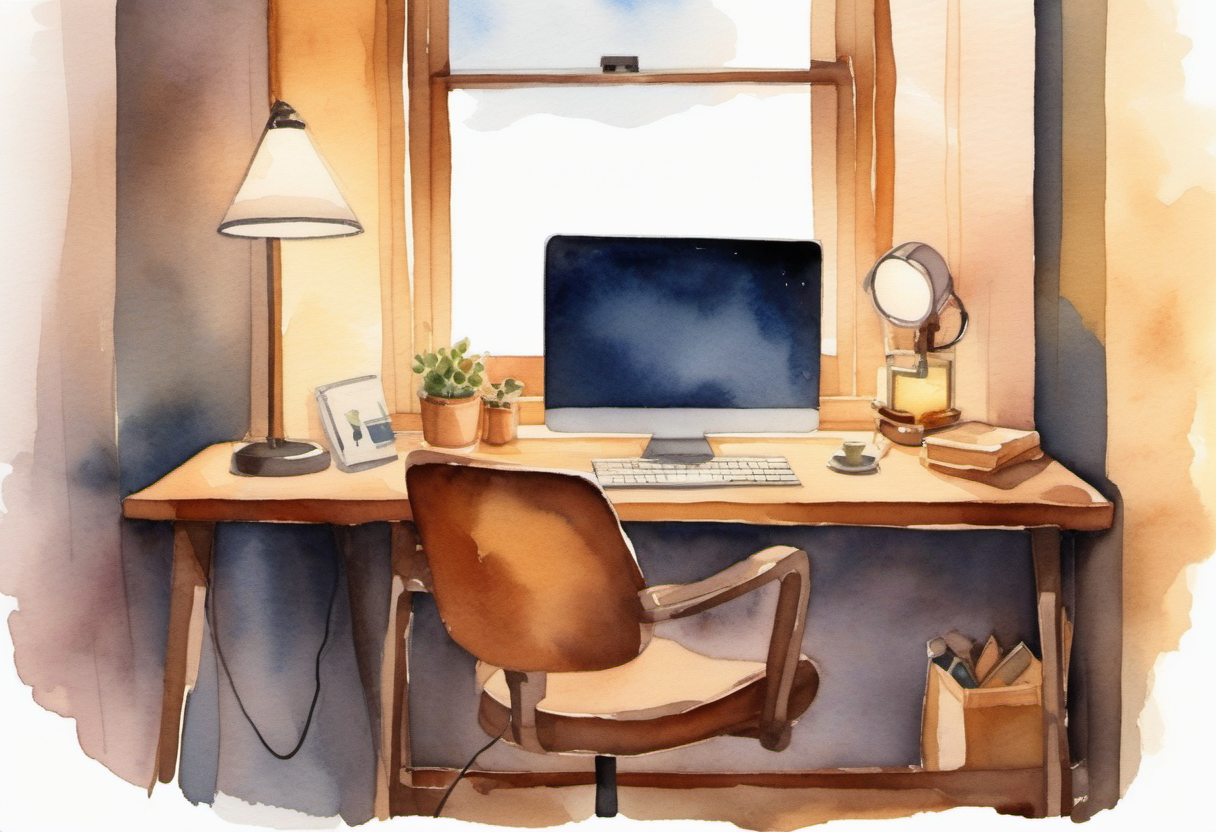
ENERGY STAR supports the lumen-versus-watt distinction; USFA supplies electrical-fire precautions. The IES library is a professional reference collection, not proof that this room was measured. IKEA, Philips Hue and Apartment Therapy are inspiration, not independent fixture testing. UL describes standards and certification services; linking it does not certify a lamp in these illustrations. DarkSky concerns outdoor lighting and is background on directing light, not an indoor illumination standard. The images are illustrative, not photographs of a measured or safety-tested installation. The replacement table-lamp image is AI-generated; follow the actual fixture instructions, lease and applicable local requirements.
Final renter lighting checklist
- Measure the base, shade, door swing and occupied walking route before choosing a fixture.
- Check the exact lamp and bulb ratings, mounting instructions and dimmer compatibility.
- Confirm the lease allows the proposed fixings; do not substitute adhesive products without adequate support.
- Test from seated, standing and lying positions rather than judging only a room photograph.
- Calculate running cost from actual power, use time and your own tariff; label estimates as estimates.
- Keep switches reachable, cables protected and exits unobstructed.
- Retain only lighting that improves an activity; decorative density is not the goal.