A small rental bathroom can feel impossible to keep dry: one shower fogs the mirror, towels stay damp, the bath mat smells tired, and storage products trap moisture exactly where you need airflow. The solution is not always a remodel. A renter-friendly humidity plan starts with observation, fan behavior, drying surfaces, smarter storage, and clear documentation for problems that require the owner or building manager.
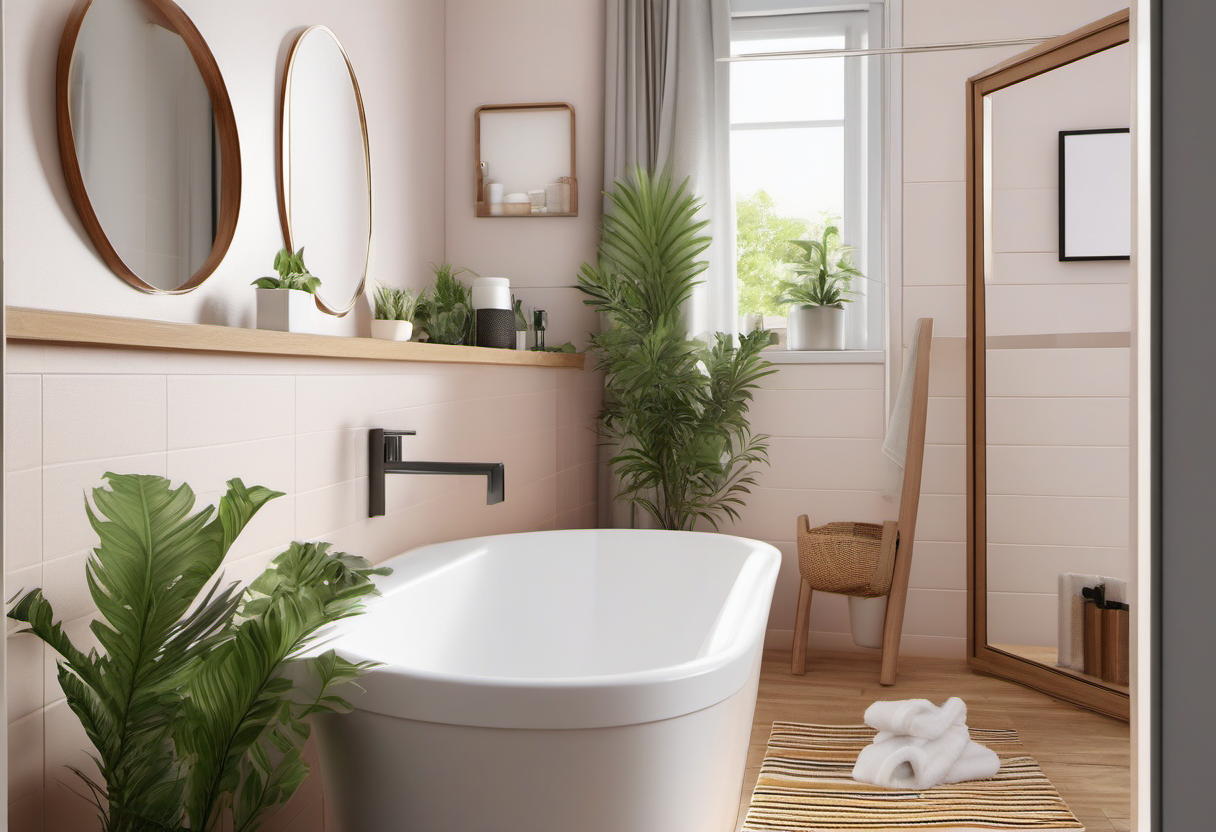
Diagnose the moisture path before buying organizers
Before adding shelves, baskets, or dehumidifying gadgets, watch what happens after an ordinary shower. Which surface stays wet longest: mirror, ceiling, grout, window, towel, bath mat, or the back of the door? Does the fan pull tissue toward the grille? Does steam leave when the door is cracked, or does it drift into a closet? Does the room smell damp the next morning? These observations tell you whether the problem is ventilation, drying space, leakage, cold surfaces, or clutter.
Use a simple humidity meter if you already own one, but do not turn the plan into a laboratory project. The practical goal is a room that dries between uses. Persistent dampness matters because mold grows where moisture remains, organic dust accumulates, and surfaces are difficult to clean. In a rental, you also need a record. Take dated photos of leaks, peeling paint, soft drywall, rusted fan covers, or recurring staining. Separate normal daily moisture from defects that should be repaired.
The first week should be a baseline. Shower normally, run the fan as you usually do, and note how long visible moisture remains. Then change one variable at a time: fan duration, door position, towel spacing, curtain position, or mat drying. If the room improves, keep the habit. If nothing changes, the fan, building ventilation, or hidden moisture source may need professional attention.
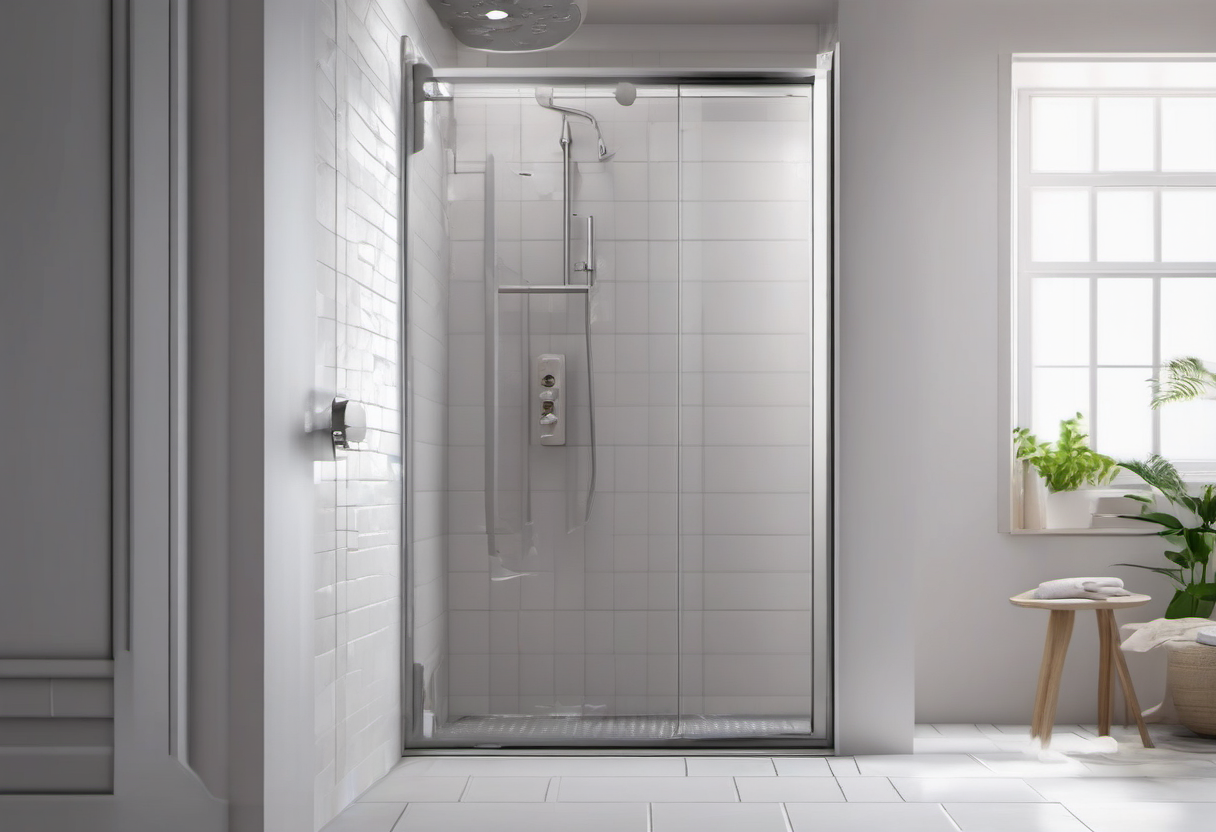
Make the fan routine visible and testable
Many bathrooms fail because the fan is used too late or turned off too early. Run it during the shower, not only afterward. Keep it running until the mirror clears and walls no longer feel wet. In a windowless bathroom, that may be longer than a quick timer. In a room with a working window, you may still need the fan because outdoor humidity, security, or winter temperatures can make window-only drying unreliable.
A quick tissue test can reveal whether the fan is doing anything obvious: hold a square of tissue near the grille and see whether it is pulled upward. This is not a formal airflow measurement, but it helps you distinguish a dead fan from a weak but functioning one. If the fan is noisy, rattling, clogged, or not pulling air, clean only what the lease permits and then submit a maintenance request with photos or video.
Do not block the under-door gap with thick mats or storage. Air needs a path into the bathroom so the fan can exhaust moist air. If the room has no gap, a cracked door after bathing may help, but avoid sending steam into a closet or bedroom full of textiles. The correct drying path should move moisture out, not simply relocate it to clothes and bedding.
Design towel storage for drying, not display
Towels are often the hidden humidity load. A plush towel folded over a tiny hook looks tidy for a photo but dries slowly in a real bathroom. Give daily towels more surface area: a bar, swing-arm rack, over-door rail, or two hooks spaced apart. If two people share one narrow towel bar, one towel stays damp behind the other. That dampness then transfers to the wall, door, or cabinet.
Store clean towels outside the wettest zone when possible. A stack above the toilet or beside the shower can absorb moisture every day. If the bathroom is the only storage location, use open shelving with airflow rather than a closed basket stuffed full. Keep the bottom shelf clear of splashes and toilet cleaning products. In very small rooms, a slim cart parked outside the bathroom after showers can outperform a beautiful cabinet inside it.
Set a towel rotation rule. A towel that never fully dries should be laundered more often or replaced with a lighter fabric that dries faster. Bath mats need the same treatment. Washable mats are useful only if they are actually washed and dried. Rubber-backed mats can trap moisture against the floor, so lift them after showers or choose a fast-drying option that suits the surface.

Choose materials that tolerate moisture and cleaning
Small bathroom storage should be judged by what happens after six months of steam. Unsealed wood, fabric bins, paper labels, and tightly woven baskets can swell, smell, or grow dusty mildew if they sit in a damp corner. Plastic, powder-coated metal, sealed bamboo, glass, and washable trays are easier to wipe, but they still need airflow. Avoid organizers that create a dark pocket behind the sink or beside the tub.
Keep products off the tub rim if water pools there. Use a shower caddy that drains, a wall-mounted option allowed by the lease, or a small removable shelf that can be cleaned underneath. Bottles left in standing water leave rings and make cleaning feel bigger than it is. Reduce duplicates: three shampoos and two body washes create more wet contact points than one active set and a spare stored elsewhere.
Use vertical space carefully. Over-toilet shelves and wall racks can work, but they must not wobble into the path, block the fan, or create head-height hazards. If you cannot anchor furniture because of rental rules, choose stable low-profile pieces, tension solutions with protective pads, or freestanding carts that can move for cleaning. A bathroom that is easy to wipe will stay healthier than one packed with fragile styling.
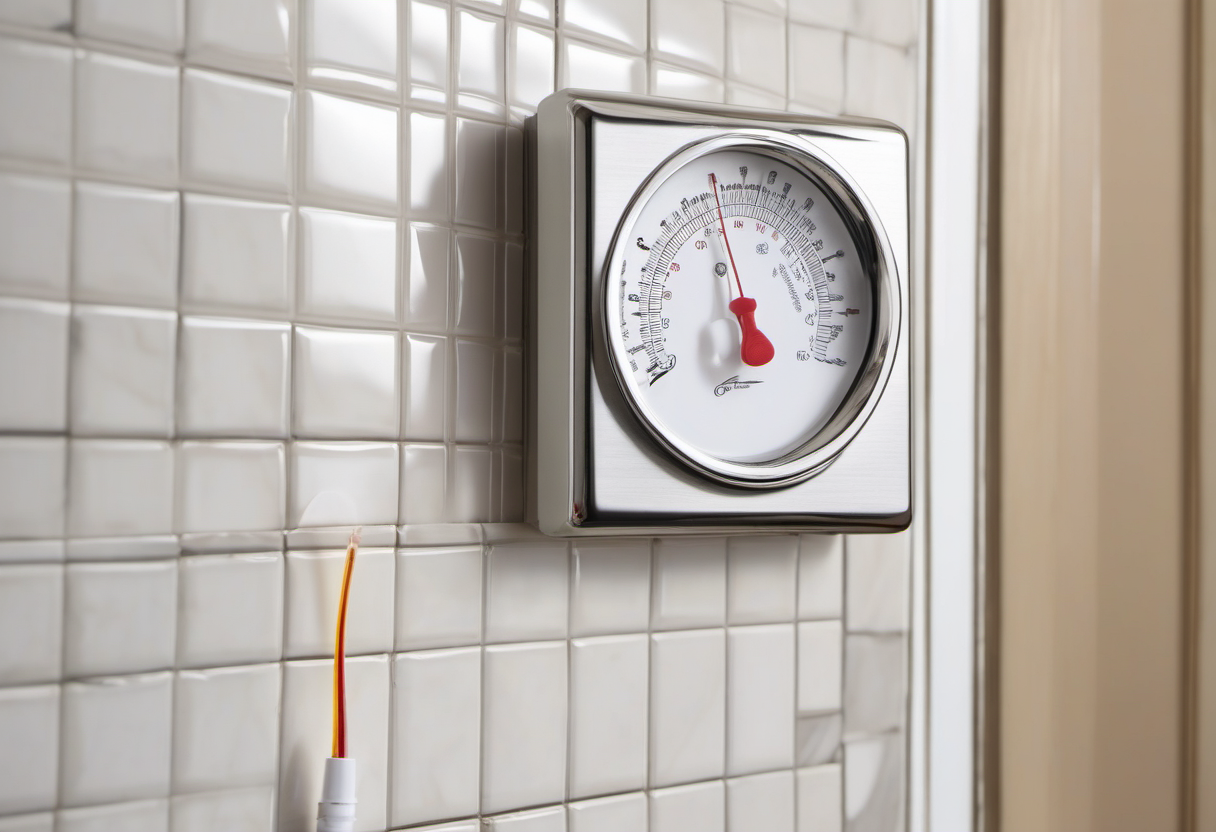
Build a two-minute post-shower reset
A humidity plan succeeds when it fits the tired, busy version of the household. After each shower, open the curtain or door so both sides dry, squeegee the wettest glass or tile if practical, shake water off the curtain liner, hang the towel flat, lift the bath mat, and leave the fan running. This should take less than two minutes. If it takes ten, people will skip it.
The reset also protects grout and caulk. Soap film, body oils, and dust give moisture something to cling to. A weekly wipe of high-splash areas prevents the bathroom from reaching the point where deep cleaning feels overwhelming. Keep one mild cleaner, a microfiber cloth, and a small squeegee where they can be reached without digging. Do not mix cleaning chemicals, and follow product labels, especially in a small room with limited ventilation.
For shared homes, make the reset visible. A simple rule works better than a lecture: fan on, curtain open, mat lifted, towel flat. If roommates disagree, collect evidence for a week. A bathroom that smells dry, has fewer wet towels, and needs less scrubbing is easier to defend than a design preference.
Know what requires repair rather than styling
Renter-friendly changes cannot solve every moisture problem. Active leaks, loose toilets, soft floors, bubbling paint, broken fans, exterior wall condensation, and recurring visible mold after ordinary cleaning should be documented and reported. Include dates, photos, the conditions when it appears, and steps already taken. Keep messages factual. “The fan does not pull tissue and the ceiling stays wet for hours after normal showers” is more useful than “the bathroom is gross.”
If the building repairs the fan or leak, restart your baseline observation. A fixed fan may still need a better towel plan, and a better towel plan may not compensate for a leak. Treat the bathroom like a system: air in, moist air out, surfaces dried, textiles rotated, storage cleanable, defects escalated.
For health concerns, follow professional guidance rather than internet hacks. People with asthma, allergies, immune concerns, or persistent symptoms should take moisture and mold seriously. The interior design goal is not just a prettier bathroom; it is a room that dries reliably, cleans easily, and supports daily routines without creating hidden damp zones.

Final checklist for a small rental bathroom
Confirm the fan works, the door gap is not blocked, and the room has a drying path. Give every daily towel enough surface area. Lift or wash mats before they smell damp. Store extras outside the wettest zone. Remove duplicate bottles and anything that prevents wiping. Keep cleaning tools simple and reachable. Photograph and report defects early.
The best renter bathroom humidity plan is modest but consistent. It does not require a remodel, permanent drilling, or a cabinet full of specialty products. It requires a room that can breathe, textiles that can dry, surfaces that can be cleaned, and a household that knows the reset. When those pieces line up, even a small windowless bathroom becomes easier to live with.