Tiny laundry setups require creative solutions when traditional washer-dryer space isn’t available. After helping multiple apartments add laundry function in unconventional spaces, here’s the practical guide to portable washers, stackable units, and creative drying solutions.
The Three Main Approaches
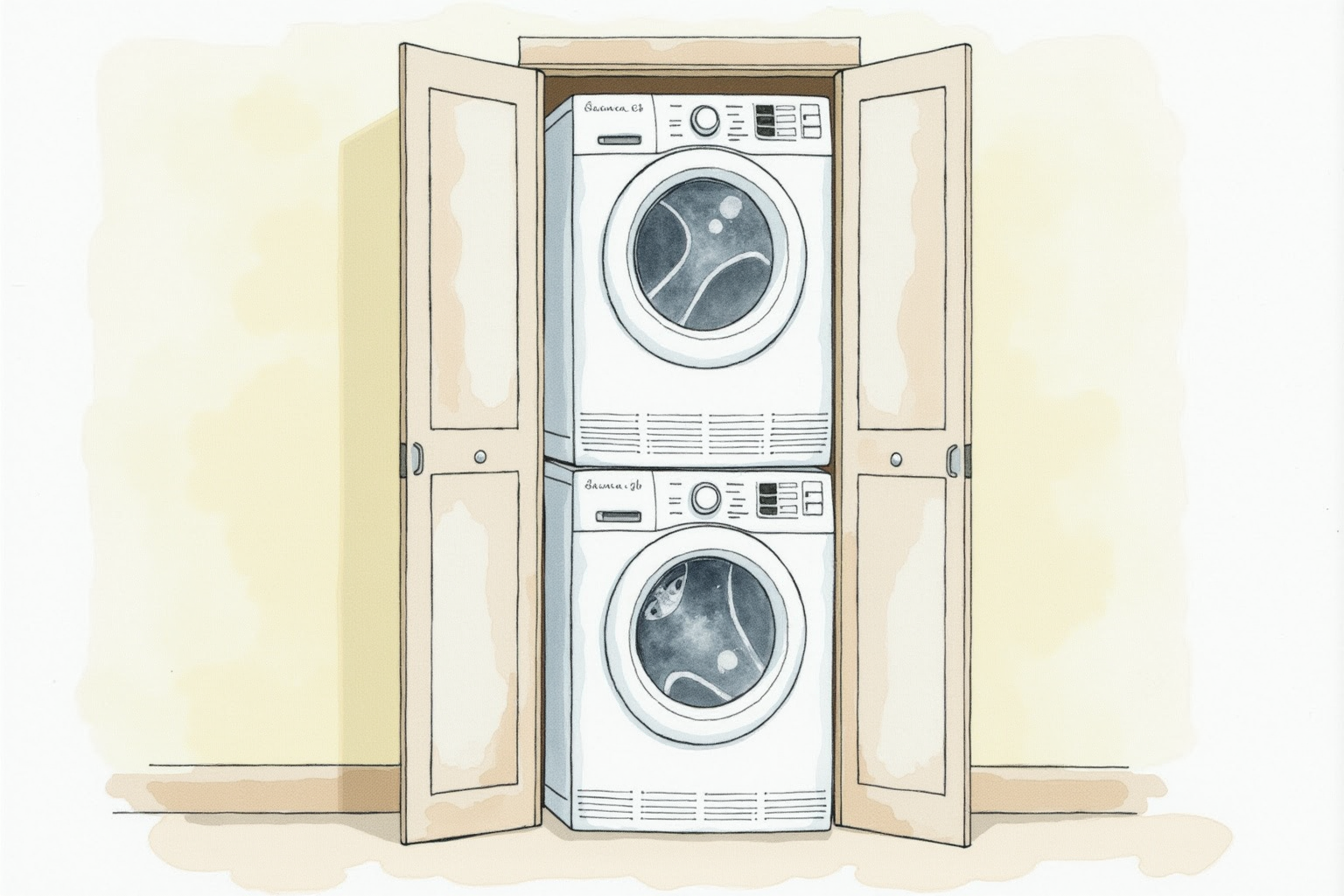
Built-in stackable (premium): Full washer + dryer in 30-inch wide space. Permanent install. $1500-3000.
Built-in single combo (washer-dryer combo unit): Single 24-inch wide unit washes + dries. $800-1500. Slower drying than separate dryer.
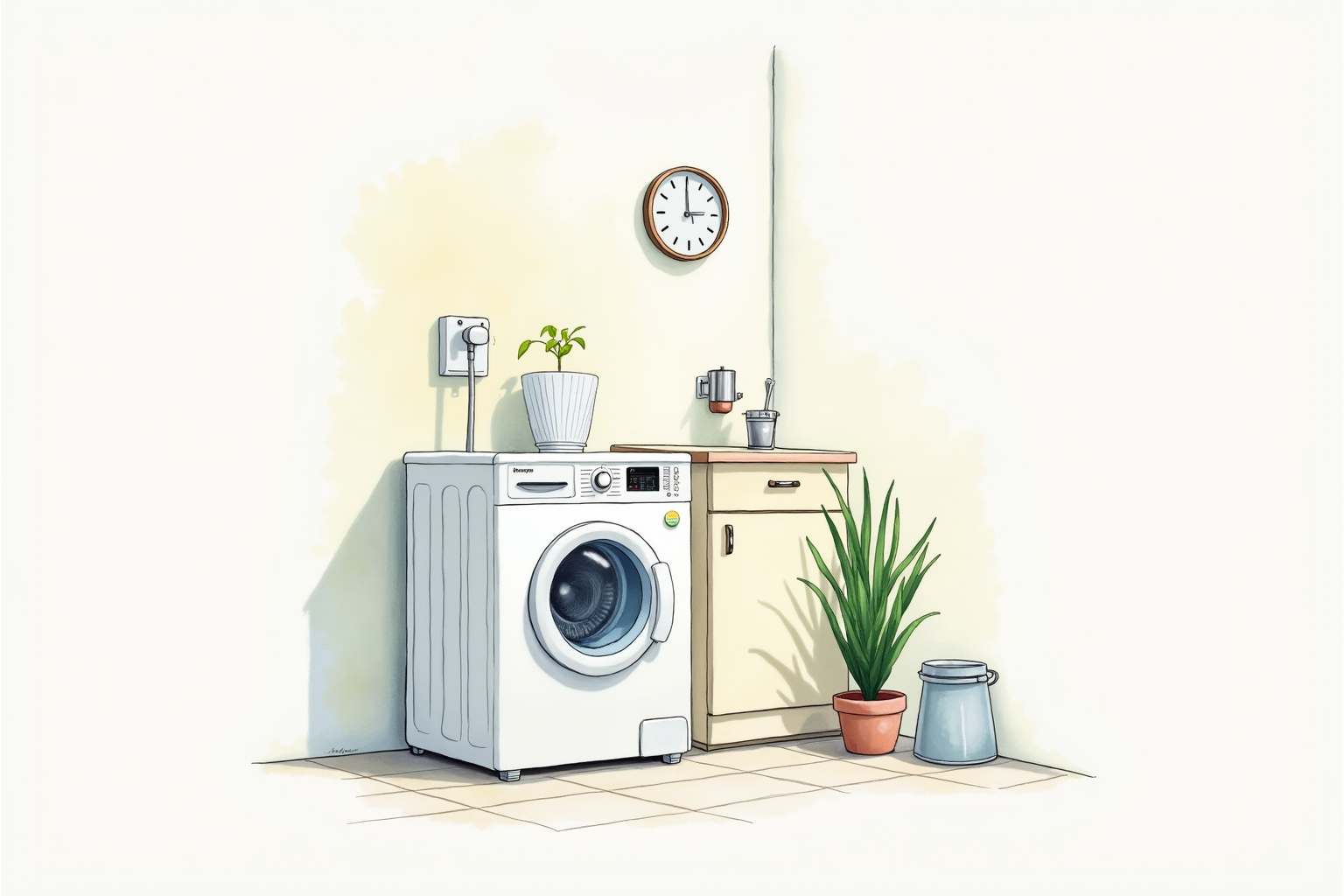
Portable washer + drying rack (renter-friendly): Plug into standard outlet, hose to sink. $200-500 total. No installation.
For most renters: portable approach. For owners: stackable transforms small apartments.
Stackable Washer-Dryer Units
For dedicated laundry closets:
LG WashTower (premium $2000-3000): Single column with washer below and dryer above. Smart features.
Bosch 800 Series stackable ($1500-2500): Premium European efficiency. Compact 24-inch width.
Samsung stackable ($1500-2500): Smart features, multiple cycles. Wide US availability.
Whirlpool stackable ($1200-2000): Budget mainstream. Wider availability.
For typical apartment laundry closet (30-32 inch width): any of these fit. Width is critical first specification to verify.
Portable Washing Machines
For apartments without laundry hookups:
Magic Chef Compact ($150-300): 1.6 cubic feet. 5-9 lbs per load. Hooks to sink faucet.
Giantex Portable ($200-350): Twin-tub design. Slightly larger capacity.
Black+Decker Portable ($250-450): More premium build, multiple cycles.
Comfee Compact ($300-500): Higher capacity, more like full-size washer.
Setup: Most include faucet adapter. Connect to sink, fill water, run cycle, drain to sink. 30-45 minutes typical.
For 1-2 person household: portable washer handles 1-2 loads weekly. Adequate alternative to laundromat.
Combination Washer-Dryer Units
Single unit washes + dries:
LG combination ($1500-2500): 24-inch width. Vents-free dryer (ductless).
GE combination ($1200-2000): Similar specs.
Trade-offs:
- Pros: One unit vs two. Saves space. No dryer venting required.
- Cons: Drying slower (3-6 hours vs 45-90 min for separate). Smaller capacity.
For very tight spaces (single 24-inch space available): combo unit makes laundry possible. For dedicated 60-inch wide spaces: separate units faster.
LG WashTower Stackable Unit
Price · $2000-3000 — premium stackable washer dryer combo
+ Pros
- · Single 27-inch column houses both washer and dryer
- · Smart features (Wi-Fi, automatic detergent dispensing)
- · Energy Star certified for utility savings
− Cons
- · Premium pricing vs separate appliances
- · Requires 220V electrical outlet for dryer
- · Limited service technicians (LG-specific issues)
Price, availability, and ratings can change; verify details on the retailer page before buying.
Air Drying Strategies
For users without traditional dryers:
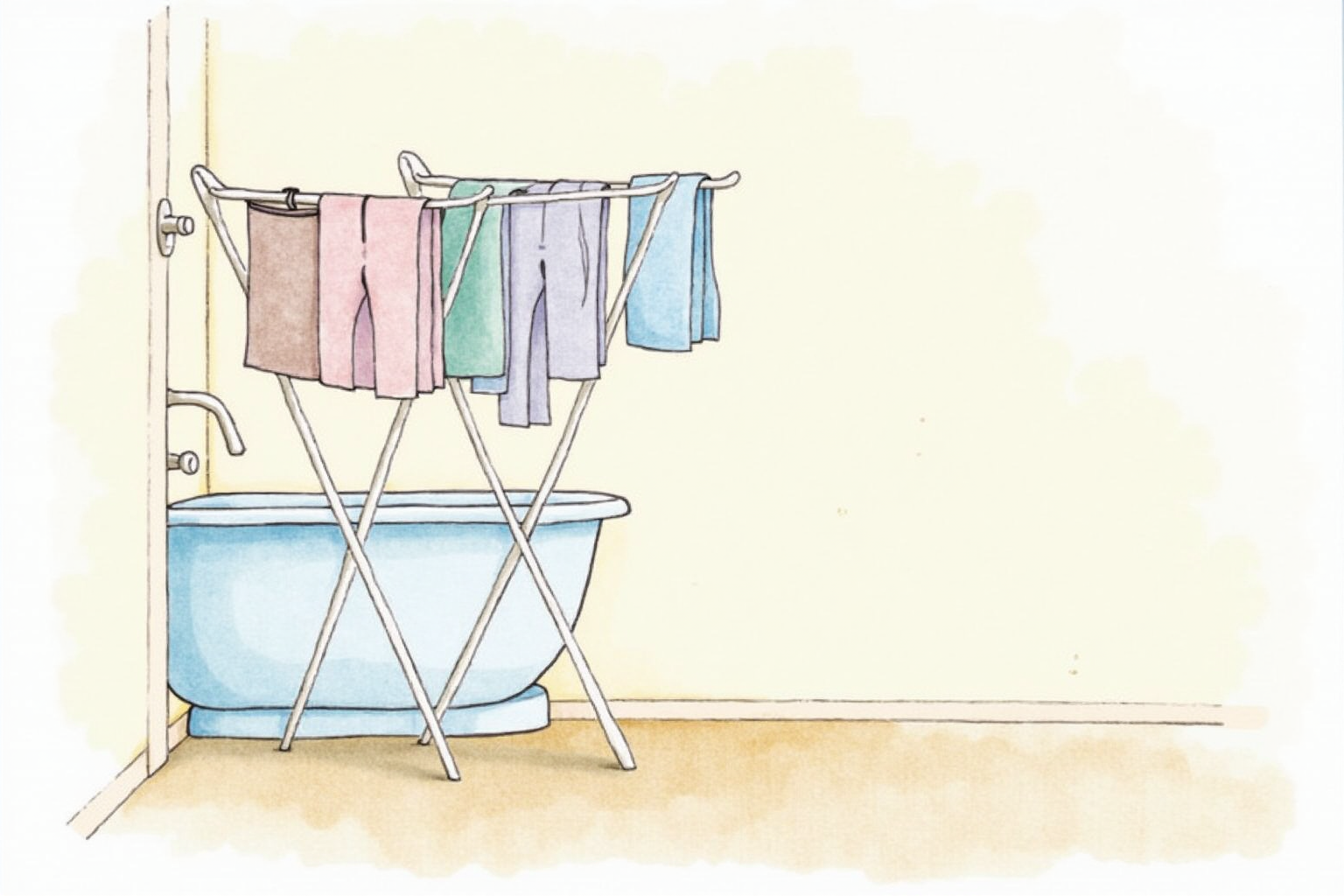
Folding drying rack ($30-80): Holds 1-2 loads. Folds flat when not in use.
Wall-mounted retractable line ($25-60): Attaches to wall. Pulls out line for use, retracts when done.
Bathroom shower rod: Hang hangers from shower curtain rod overnight.
Outdoor balcony line: Solar drying when weather permits. Free.
Heated drying rack ($80-200): Electric, dries faster than regular rack. UK/EU favorite.
For most portable washer users: 2-3 drying racks rotated based on laundry volume.
Heated Drying Racks
For faster air drying:
Pros: Dries 2-4x faster than regular rack. Doesn’t heat room significantly.
Cons: Electricity costs (0.1-0.3 kWh/hour = $5-15/month if used daily).
Cost: $80-200 for quality heated rack.
Capacity: Single bedding load (sheets) or 1-2 clothing loads.
For Northern climates with limited outdoor drying time: heated rack worth investment.
Creative Laundry Locations
For unconventional spaces:
Kitchen corner: Some EU-style apartments place washer in kitchen. Use single 24-inch combo unit.
Bathroom: Japan-style installation. Requires waterproofing.
Hallway closet: Can add plumbing/electrical with renovation. $500-2000 modification cost.
Pantry conversion: Sacrifice pantry for laundry. Trade-off decision.
Outdoor balcony (good climates): Weather-protected box housing. Less ideal in extreme climates.
For renovating owners: hallway closet conversion often best ROI.
Laundry Organization Accessories
For all setups:
Sorting hamper (3-compartment, $30-60): Separate whites, colors, delicates as you go. Reduces sorting time on laundry day.
Compact detergent station: Wall-mounted or shelf with detergent, fabric softener, dryer sheets organized.
Lint roller storage: Wall-mounted dispenser. $10-25.
Stain treatment caddy: Spray bottles, scrub brushes, sorting markers. $15-30.
Ironing supplies storage: Compact, foldable. $20-50.
For most users: 3-compartment hamper + organized supply storage = transforms laundry experience.
Magic Chef Portable Compact Washer 1.6 cu ft
Price · $200-300 — portable washing machine for apartments without hookups
+ Pros
- · No installation - plug into standard outlet
- · Faucet adapter included for sink hookup
- · Drains to sink or tub when cycle completes
− Cons
- · Small 1.6 cu ft capacity (5-9 lb loads)
- · Slower than full-size washers (30-45 min cycle)
- · Requires sink within hose reach (typically bathroom)
Price, availability, and ratings can change; verify details on the retailer page before buying.
Ironing Solutions
For tight spaces:
Wall-mounted folding ironing board ($40-80): Folds flat against wall. Premium small-space solution.
Over-door ironing board ($30-60): Folds onto door back. No wall mounting.
Compact tabletop ironing pad ($15-30): Portable. Use on any flat surface.
Steam iron + handheld steamer combo: Reduces need for traditional ironing board. $80-150 total.
For most users: handheld steamer + portable iron pad covers 90% of ironing needs.
Lint and Maintenance
For full-size dryers and combo units:
Lint trap cleaning: Every load. Critical for fire prevention.
Vent cleaning (full dryers): Annually. Prevents fires, improves efficiency.
Drum cleaning: Monthly with white vinegar or special cleaner.
Vibration check: Quarterly. Excessive vibration = leveling issue.
Costs Analysis
For tiny apartment laundry setup:
Budget renter ($300-500 total):
- Portable washer: $250
- Folding drying rack: $40
- 3-compartment hamper: $40
- Detergent organization: $20
Mid-tier renter ($600-1000 total):
- Premium portable washer + portable dryer: $700
- Wall-mounted retractable line: $40
- Quality hampers and organization: $80
Owner installation ($2000-4000):
- LG WashTower stackable: $2500
- Installation (plumber + electrician): $400-800
- Laundry closet renovation: $200-500
For most renters: $300-500 budget approach handles laundry without laundromat dependence.
Time and Cost Comparison
Laundromat: $3-5/load × 52 loads/year = $156-260/year + time (2 hours/week = 104 hours/year).
Portable washer at home: ~$10/year utilities × $200-400 amortized over 5 years = $50-80/year + time (15 minutes loading/unloading per load).
Time saved per year: 100+ hours.
For users earning $20+/hour: time savings alone justify in-unit laundry.
Bottom Line — Pick Your Use Case
For most renters — Magic Chef portable washer + folding drying rack at $300-400. Eliminates laundromat dependence. No installation.
For premium portable — Comfee or Black+Decker at $400-600 + heated drying rack at $80-200. Best portable experience.
For owners — LG WashTower or Bosch stackable at $1500-3000. Permanent solution, full capacity.
For very tight 24-inch spaces — LG combo washer-dryer at $1500-2500. Single unit fits where stackable can’t.
For 1-person households — portable washer adequate. Skip dryer entirely (air dry).
Avoid: full-size washers in apartments without proper drainage (water damage risk), skipping lint trap cleaning (fire hazard), assuming dryer venting isn’t needed (combo units allow this, but separate dryers require venting), buying premium when portable solves the problem.