The most common decor mistake in small apartments is buying a rug that’s too small. Counterintuitively, larger rugs make rooms feel larger, not smaller. After testing rug placements across multiple small apartments and helping friends select rugs, here’s the practical guide.
The “Too Small Rug” Problem
The most common rug mistake:
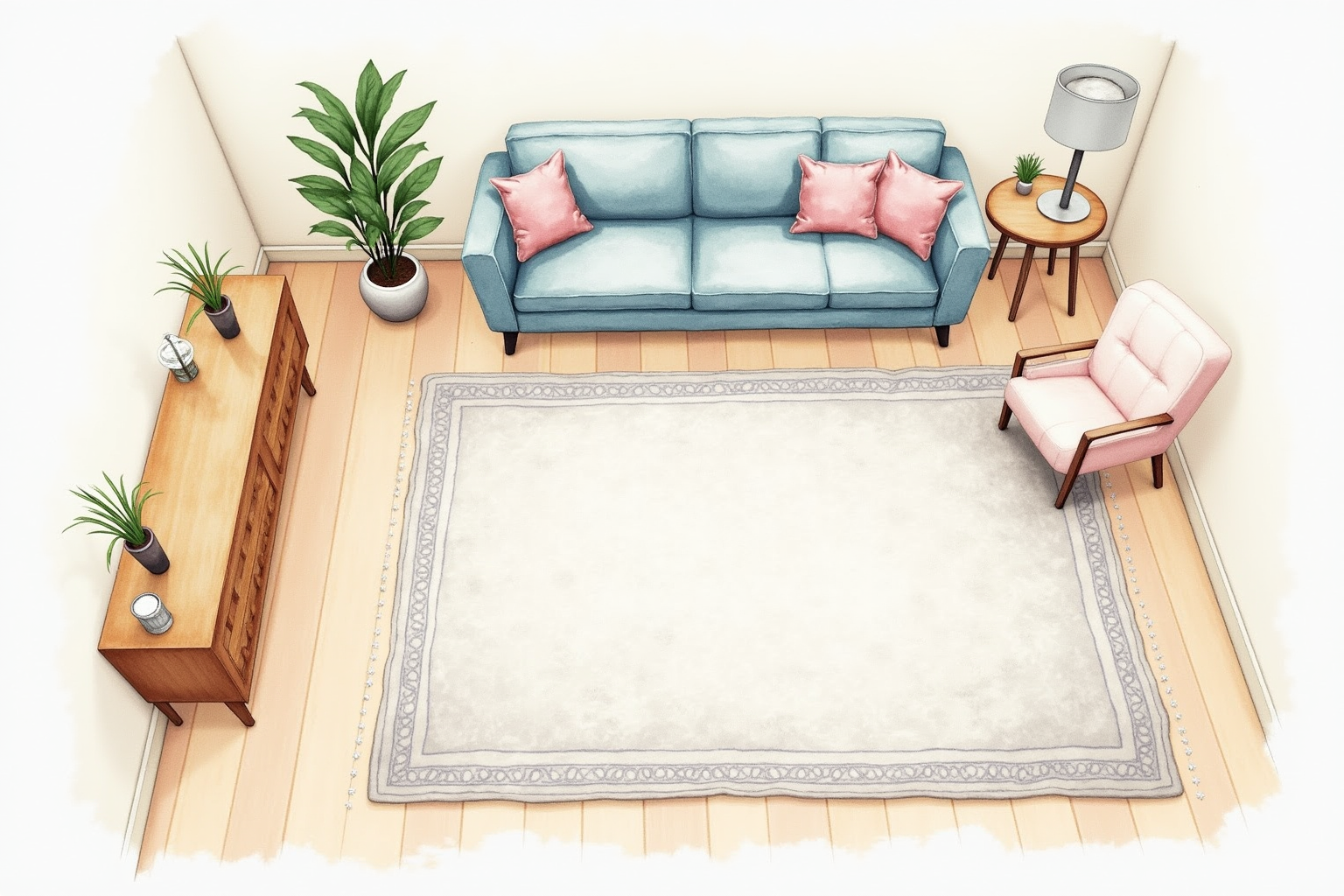
Tiny 5x7 rug floating in middle of room with all furniture legs on hardwood floor. Looks like an island in the middle of a sea. Makes room feel smaller, more disjointed.
Correct approach: Rug should extend under at least front legs of major furniture (sofa, chairs). Creates unified seating zone. Room feels intentional and complete.
For small rooms: bigger rug = bigger-feeling room. Go larger than seems necessary.
Standard Rug Sizes
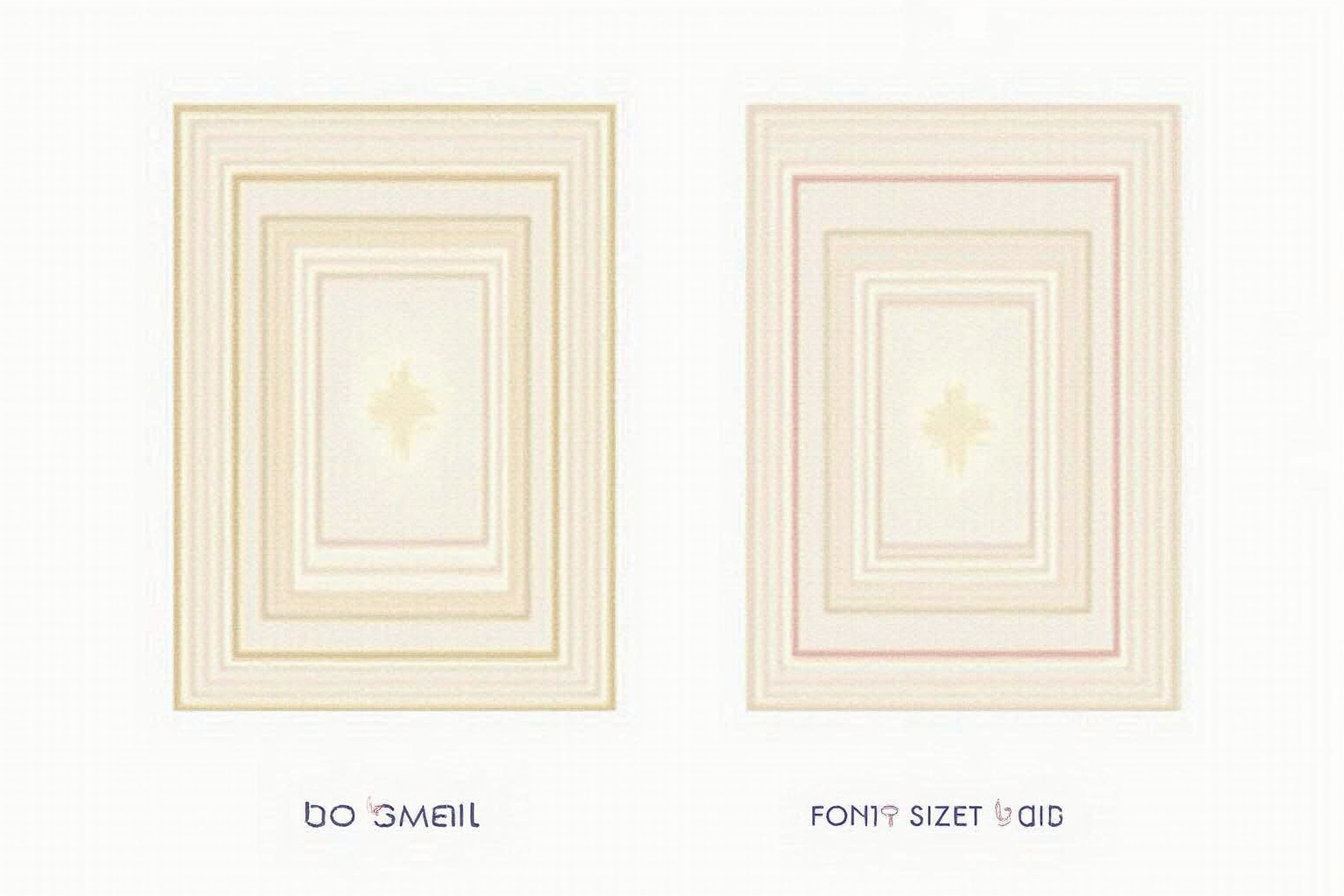
3x5 / 4x6: Accent rug. Entry, bedside, kitchen.
5x7 / 5x8: Common but often too small for living rooms. Adequate for bedrooms.
6x9 / 7x10: Good for small-medium living rooms.
8x10: Standard for most living rooms. Right size for typical small apartments.
9x12: Large rooms or open-concept layouts.
Runner (2.5x8 / 2.5x12): Hallways, kitchens, narrow spaces.
For most small apartments: 8x10 is the sweet spot for living room. 5x7 for bedroom.
Living Room Sizing
Calculate based on furniture layout:
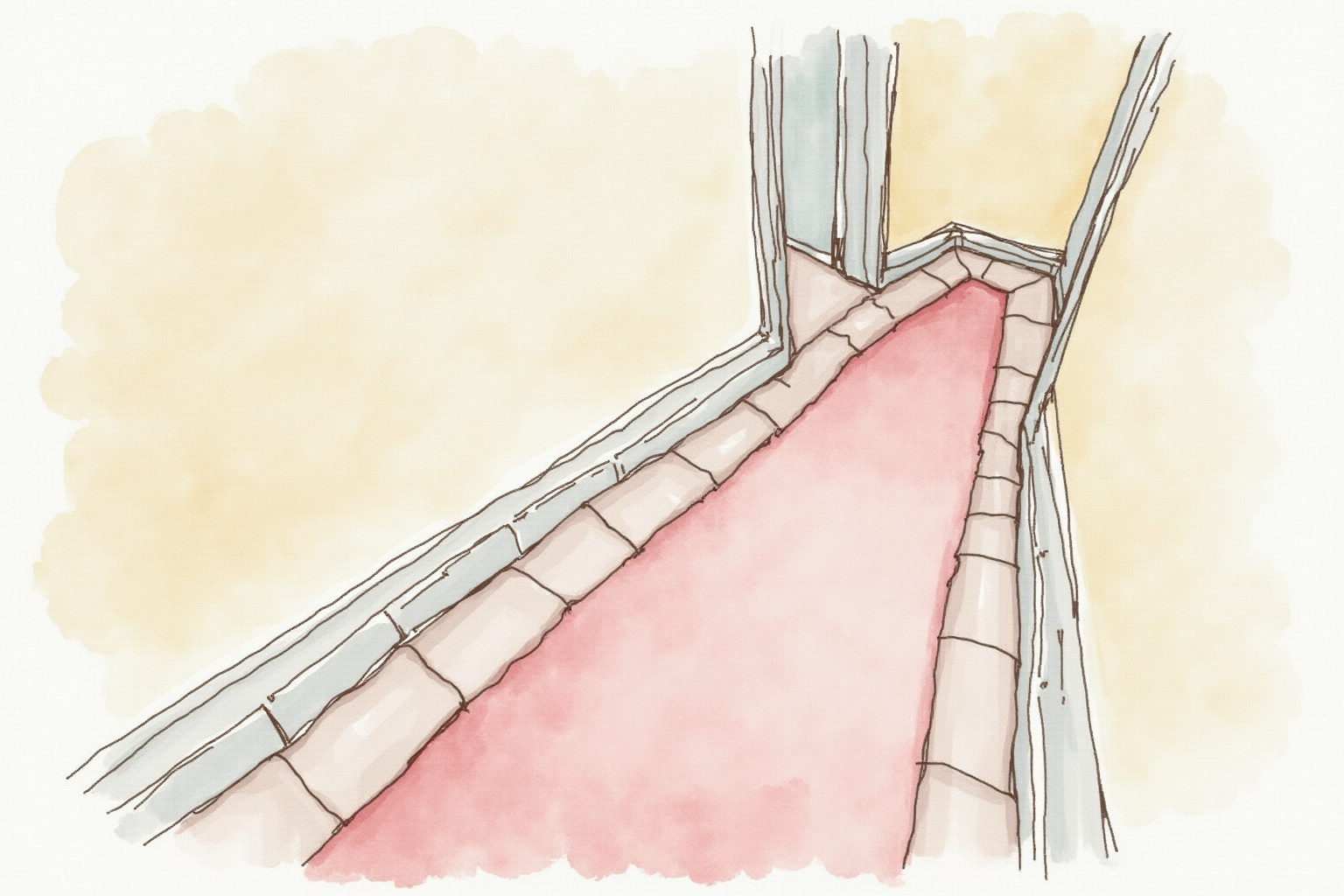
Minimum: All major furniture’s front legs on rug.
Standard: 6-12 inches of rug visible around sofa/chairs.
Premium: All four legs of all major furniture on rug.
Floor space: At least 12-18 inches of bare floor visible between rug edge and wall.
For typical 11x14 small living room with sofa + 2 chairs: 8x10 rug provides front-legs-on placement with 12-18 inch border.
Bedroom Sizing
Two approaches:
Under bed (most common):
- Rug extends 18-24 inches on sides of bed
- Rug extends 24-36 inches at foot of bed
- Queen bed: 8x10 rug
- King bed: 9x12 rug
- Twin bed: 5x7 rug
At foot of bed (smaller rugs):
- 4x6 or 5x7 rug positioned at foot of bed
- Less premium but works in tight spaces
For most bedrooms: under-bed approach feels luxurious. Smaller rugs feel like afterthought.
Material Considerations
Wool (premium, $300-2000+):
- Most durable, 20+ year lifespan
- Stain-resistant
- Soft underfoot
- Heavy investment
Wool blend (mid-tier, $200-800):
- Most wool benefits at lower cost
- 10-20 year lifespan
Synthetic (polypropylene, $80-400):
- Most affordable
- Indoor/outdoor versions available
- Easy clean
- 5-10 year lifespan
Cotton ($60-300):
- Machine washable
- Light, easy to move
- Best for kitchens, kids’ rooms
- 3-5 year lifespan
Jute/natural ($100-500):
- Earthy aesthetic
- Less comfortable underfoot
- Best as base layer or in dry areas
For most small apartments: synthetic in performance fabric or wool blend. Best balance of cost, durability, and aesthetics.
Ruggable Washable Rug 8x10
Price · $300-500 — machine-washable rug for high-traffic households
+ Pros
- · Two-piece system: washable rug cover + non-slip pad
- · Machine-washable for pet/kid households
- · 8x10 size perfect for most small living rooms
− Cons
- · Premium pricing vs traditional rugs
- · Pattern selection narrower than industry-wide options
- · Less premium feel than wool rugs
Price, availability, and ratings can change; verify details on the retailer page before buying.
Color and Pattern
Light colors: Make rooms feel larger. Show stains and dirt easily.
Dark colors: Hide stains. Make rooms feel smaller (but cozier).
Patterns: Visual interest. Hide stains. Add personality.
Solid colors: Modern, calming. Show every stain.
Neutrals: Most versatile across decor changes. Cream, beige, gray.
For small rooms with messy households: dark or patterned. For aesthetic priority in clean households: light solids or subtle patterns.
Where to Buy
Affordable ($80-300):
- IKEA: Wide selection, $40-300
- Wayfair: Largest selection
- World Market: Eclectic styles
Mid-tier ($300-800):
- Ruggable: Washable specialty
- Loloi: Modern designs
- West Elm: Premium aesthetic
Premium ($800-3000+):
- Rugs USA: Wide selection across price tiers
- Restoration Hardware: Designer quality
- Custom wool from rug stores
For most users: IKEA or Wayfair at $150-400 delivers solid quality. Ruggable for washable needs.
Runner Rugs
For narrow spaces:
Kitchen runner (2.5x6 to 2.5x10): In front of sink or along galley.
Hallway runner (2.5x8 to 2.5x12): Full length of hall.
Bedside runner (2.5x6): Each side of bed in narrow bedrooms.
Bathroom runner (2x3 to 2x6): In front of vanity.
Cost: $40-300 typical for synthetic runners.
For long narrow apartments: runners visually elongate spaces.
Rug Pad Importance
Often overlooked accessory:
Why pad matters:
- Prevents slipping (safety)
- Extends rug lifespan
- Adds cushioning underfoot
- Protects floor from rug abrasion
Cost: $30-80 for 8x10 pad.
Types:
- Felt/rubber combination: Most common, secure
- Pure rubber: Best for hard floors
- Felt only: Adds cushioning
For premium feel: never skip rug pad. Cost is small vs benefit.
Dining Area
For small dining areas:
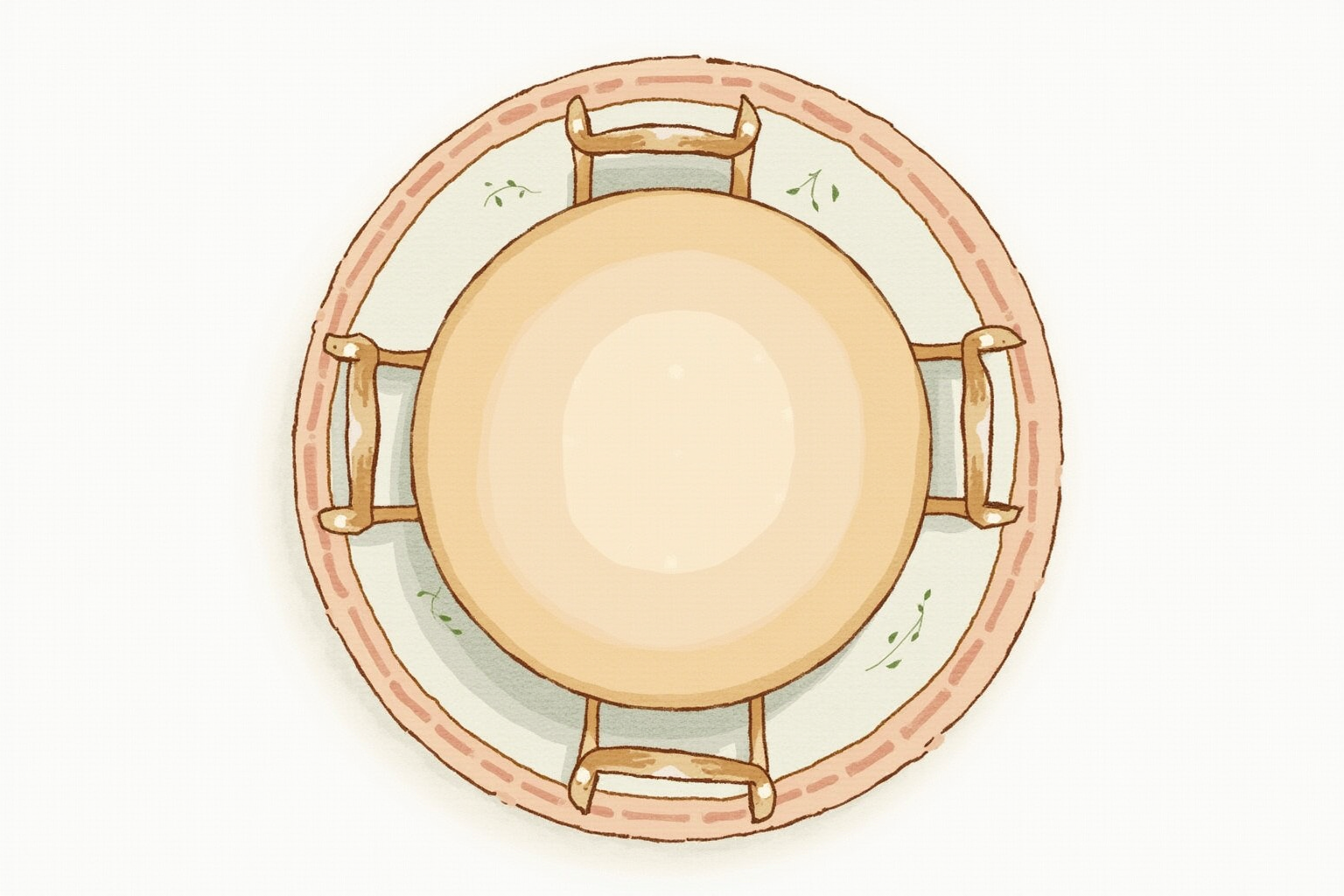
Rule: Rug should extend 24 inches beyond table on all sides. Allows chairs to remain on rug when pulled out.
Round rug under round table: Same diameter as table + 4-5 feet. For 36 inch round table: 7-8 foot round rug.
Rectangular rug under rectangular table: Table length + 48 inches, table width + 48 inches.
Many small apartments skip dining rug. Acceptable but loses opportunity to define dining zone.
Layering Rugs
Modern trend:
Large neutral base (jute or sisal): 8x10 in living room.
Smaller decorative top (patterned wool): 5x7 layered over base.
Effect: Adds visual interest, defines zones within open-concept spaces.
Cost consideration: 2 rugs total $400-1500.
For design-forward small spaces: layering adds dimension without space cost.
Common Mistakes
Buying too small: Most common mistake. Always size up.
Skipping rug pad: Sliding rug = safety hazard. Damages floor over time.
Wrong color for lifestyle: Light rug + kids + pets = constant cleaning.
Cheap quality for high traffic: Synthetic rugs under $80 wear out in 1-2 years in high-traffic areas.
No measurement: Measure room and existing furniture before buying. Layout sketches prevent mistakes.
Cost Analysis
For typical small apartment (living + bedroom + entryway):
Budget: 3 rugs total at $80-200 each = $240-600 Mid-tier: 3 rugs at $200-500 each = $600-1500 Premium: 3 rugs at $500-1500 each = $1500-4500
For most users: $400-800 budget covers all main rooms with quality rugs.
Bottom Line — Pick Your Use Case
For most small living rooms — 8x10 rug. Industry standard size delivers proper proportion.
For bedrooms — 5x7 (twin), 6x9 (queen), 9x12 (king). Extends 18-24 inches around bed.
For renters/movers — Ruggable washable at $300-500. Easy clean, easy transport.
For premium aesthetic — Wool blend at $400-800 for 8x10. Soft, durable, design-forward.
For budget — IKEA or synthetic 8x10 at $150-300. Solid quality at value tier.
Avoid: rugs smaller than 5x7 in living rooms, skipping rug pad (safety + durability), buying without measuring room first, going too small as “test” (you’ll regret it within months).