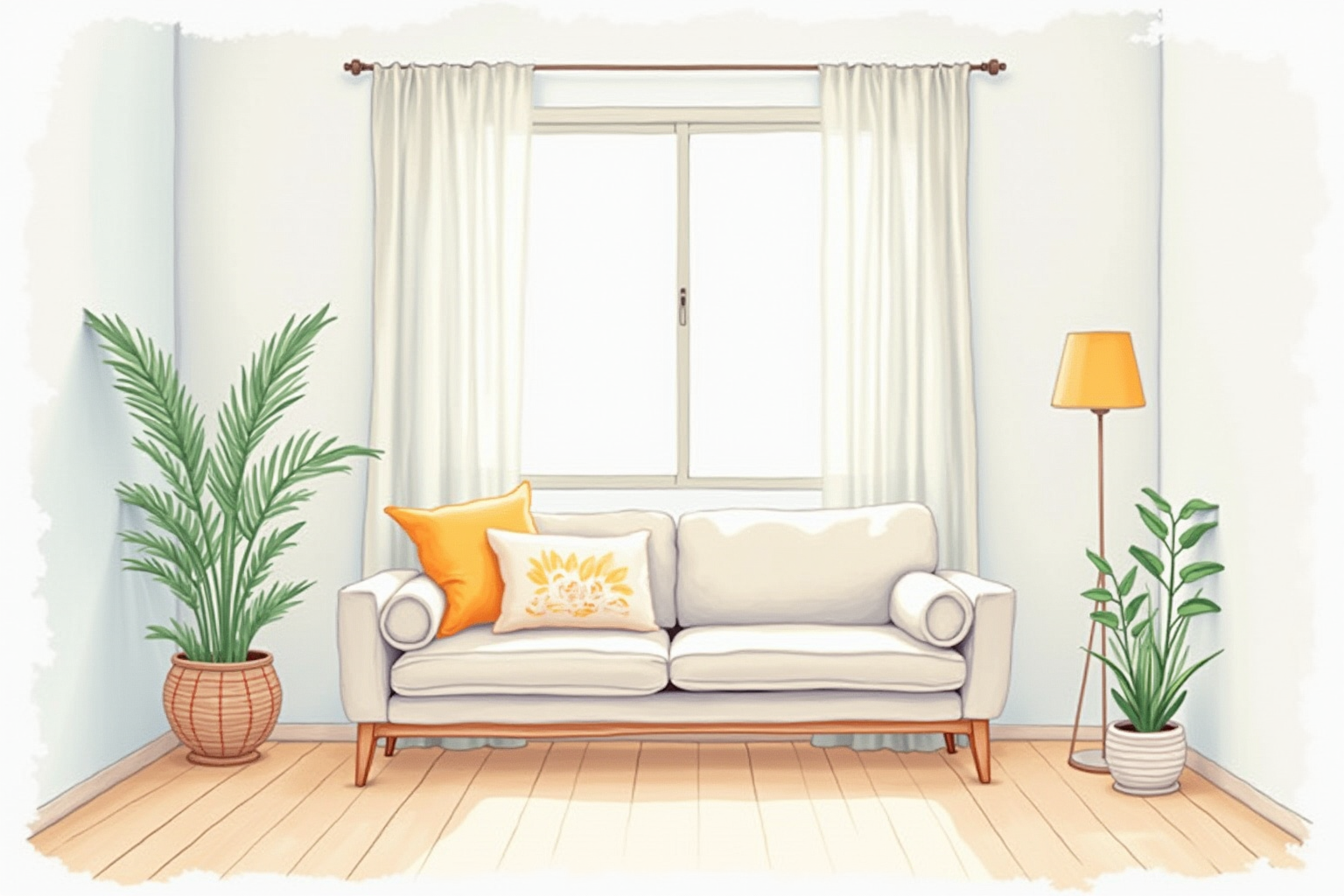
Paint color is the highest-impact change you can make to a small room. A weekend and $100-300 in paint transforms cramped spaces into intentional design statements. The key isn’t always white — modern small room design embraces deeper colors to create cozy, jewel-box intimacy. After painting six small rooms in different palettes over 24 months, here’s the practical guide.
The Light vs Dark Debate
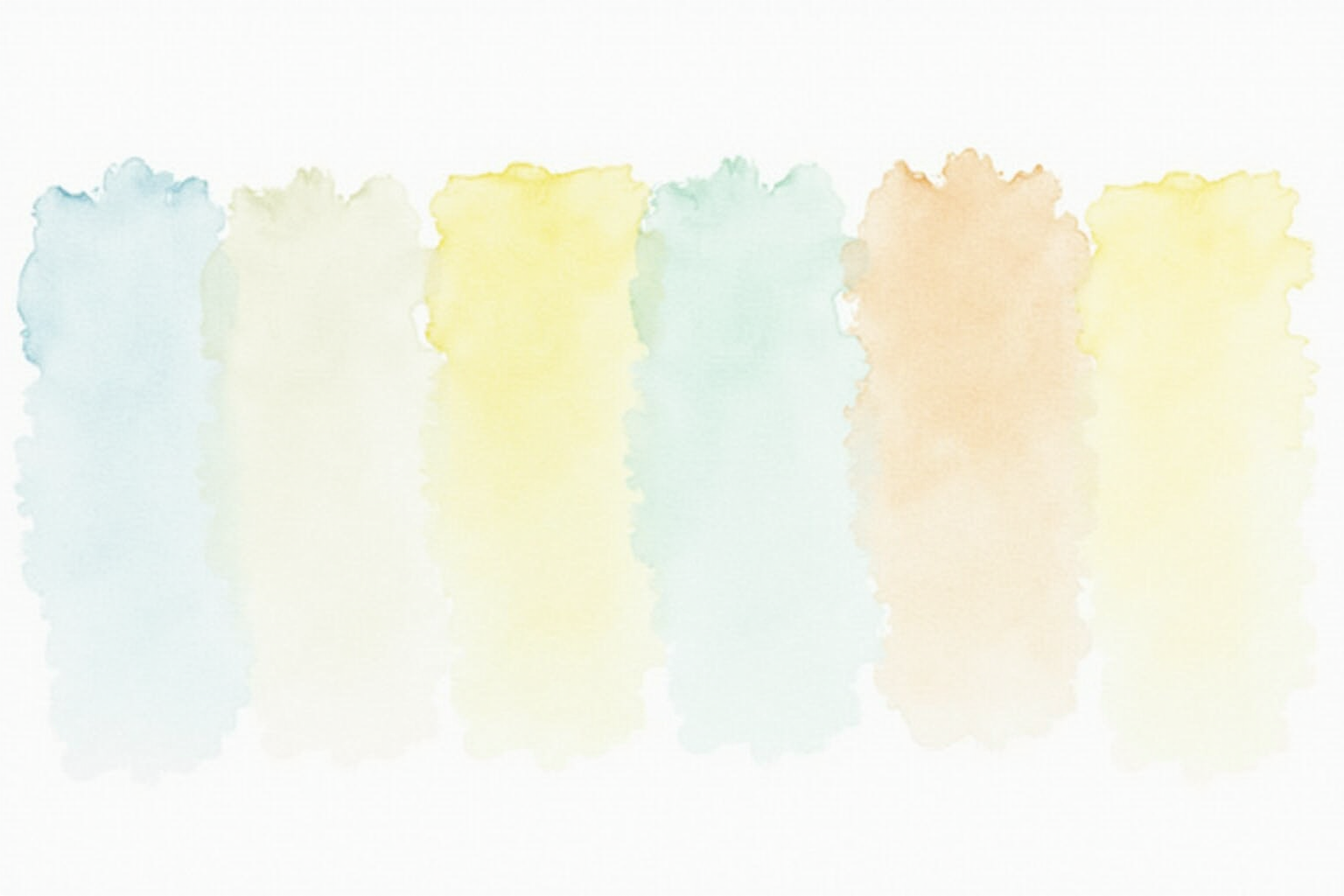
Traditional advice: Small rooms = white paint to feel larger.
Modern approach: Both work — different effects.
Light colors (whites, pale blues, soft grays): Make small rooms feel more spacious. Reflect natural light. Show grime more easily. Feel “safer” but less personality.
Deep colors (navy, forest, terracotta): Make small rooms feel intimate. Absorb light. Hide imperfections. More design statement.
Best approach: Match color to room function. Bedroom/study where cozy matters = deeper colors. Tiny powder room or hallway where spaciousness helps = light colors.
Top Light Color Picks
For maximum spaciousness:
Benjamin Moore White Dove (OC-17): Industry-standard warm white. Adapts to any decor. Most-used designer pick.
Benjamin Moore Simply White (OC-117): Slightly cooler, bright white.
Sherwin Williams Alabaster (SW 7008): Warm off-white. Subtle.
Behr Ultra Pure White: Budget option, true white.
For most small rooms: White Dove is the safe winner. Works in 90% of decor styles.
Deep Color Strategies
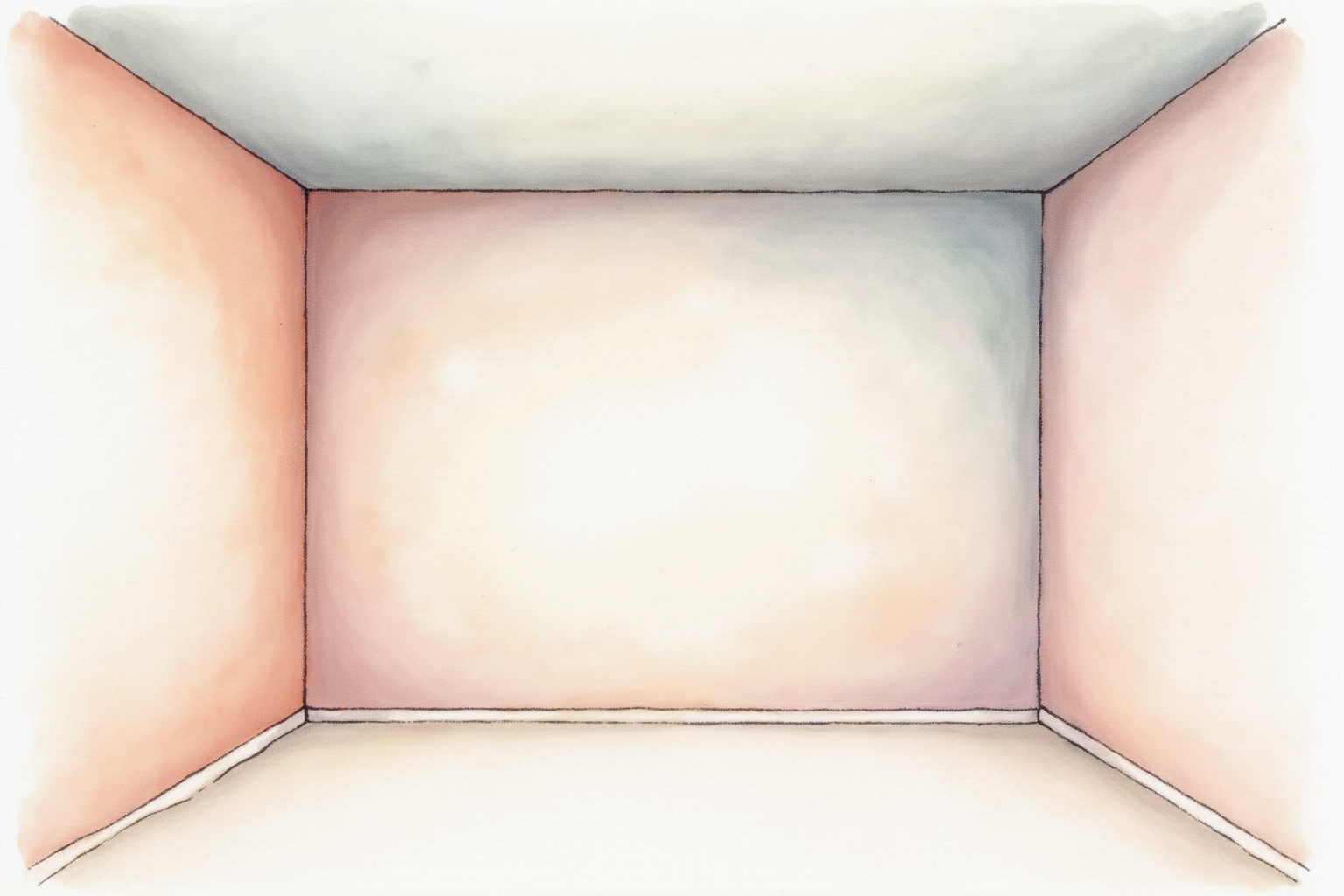
For cozy small rooms:
Benjamin Moore Hale Navy (HC-154): Premium navy. Sophisticated.
Sherwin Williams Cyberspace (SW 7076): Deep almost-black gray.
Farrow & Ball Studio Green (No. 93): Premium British paint. Statement.
Behr Marquee Black Magic (PPU18-20): Budget deep gray.
For bedrooms and offices: deep colors create excellent backdrop for art, white bedding, light wood furniture.
Accent Wall Strategy
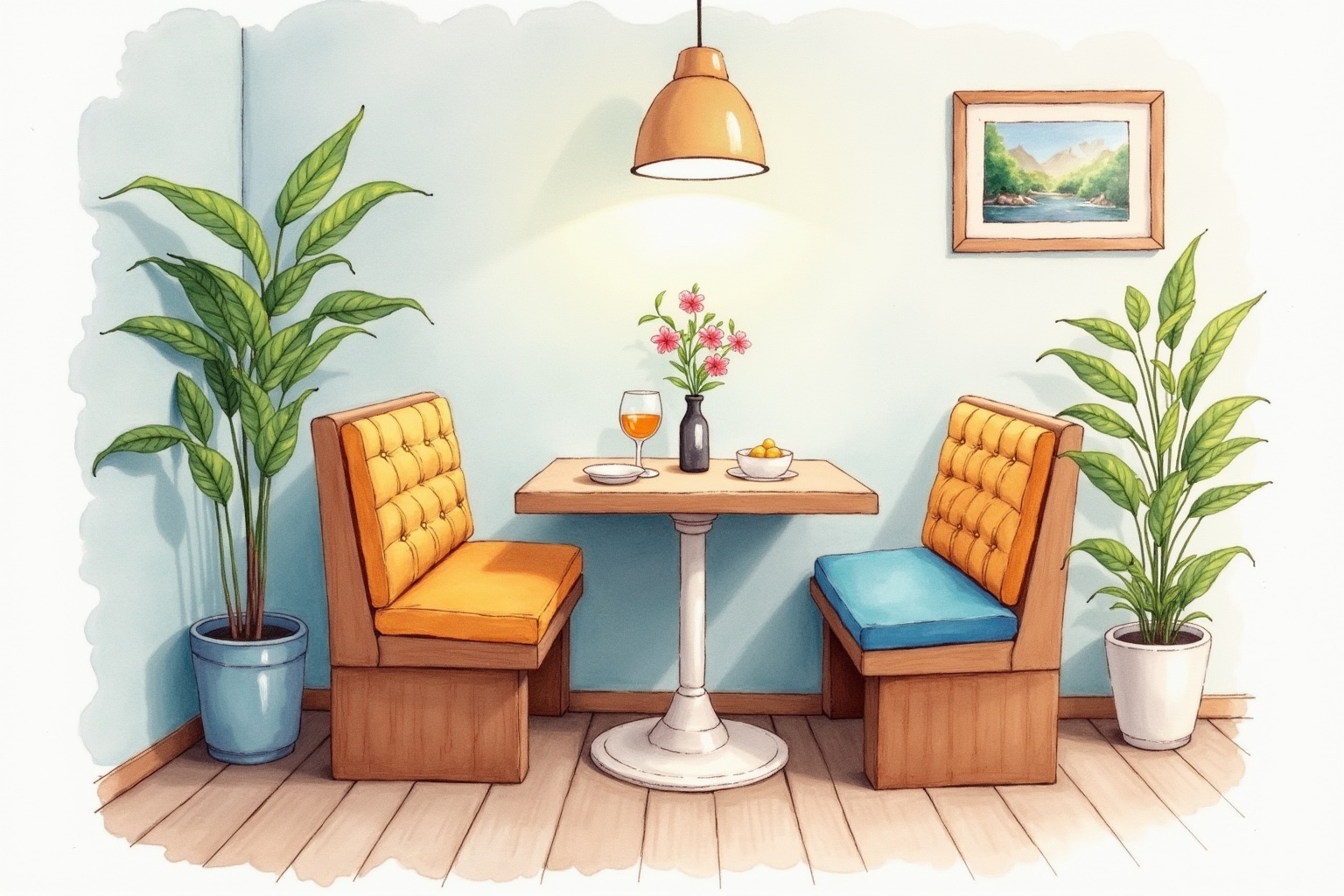
For dimension without commitment:
Single accent wall in deeper tone: Add depth without overwhelming small space.
Best wall to accent: Wall behind bed (bedroom), wall opposite entrance (living room), back wall of small office.
Color contrast: 3-5 shades darker than main walls works well. Too much contrast = jarring.
Texture variation: Some users paint accent wall in same color as others but different sheen (matte vs eggshell) for subtle definition.
For renters: accent wall is more practical than full repaint — half the work, similar visual impact.
Ceiling Technique
The often-overlooked surface:
White ceiling (default): Most common. Feels expansive.
Ceiling matching walls: Modern technique. Eliminates visual break between walls and ceiling. Makes space feel larger and more intentional.
Ceiling slightly lighter than walls: Subtle, expands vertical feel.
Ceiling slightly darker: Cozy intimate feel.
For low ceilings (under 8 feet): match walls + ceiling color or use slightly lighter ceiling.
For tall ceilings (10+ feet): darker ceiling can feel cozier.
Benjamin Moore Aura Interior Paint
Price · $80-90 per gallon — premium interior paint with excellent coverage
+ Pros
- · Self-priming formula covers in 1-2 coats vs 3+ for budget paint
- · Color stays true over years (no fading)
- · Low VOC, safe for occupied rooms
− Cons
- · Premium pricing vs budget paint alternatives
- · Available only at independent Benjamin Moore dealers
- · Limited color choices vs national-brand competitors
Paid affiliate link. Price, availability, and ratings can change; verify details on the retailer page before buying.
Trim Considerations
For maximum spaciousness:
Trim matches walls: No visual breaks. Most modern.
Trim slightly lighter than walls: Subtle definition without shrinkage.
Trim significantly darker/contrast: Traditional, can shrink visual space.
White trim with colored walls: Classic look. Works in most styles.
For small rooms: trim-matches-walls or trim-lighter approach feels most spacious. White trim works but adds visual break.
Paint Sheen Selection
Critical for both appearance and durability:
Flat/matte: No sheen. Hides imperfections. Marks easily. Use for ceilings only.
Eggshell: Slight sheen. Forgiving on imperfections. Wipes clean. Best for bedrooms, living rooms.
Satin: More sheen. Easier cleaning. Slight reflection. Best for high-traffic areas, kitchens.
Semi-gloss: Glossy. Very washable. Best for bathrooms, trim, doors.
High-gloss: Mirror-like. Shows imperfections. Best for furniture, not walls.
For small rooms: eggshell or satin works best. Reflects light slightly without showing imperfections.
Color Temperature
Warm vs cool:
Warm colors (yellow undertones): Make rooms feel cozy, welcoming. Better for north-facing rooms (less natural sun).
Cool colors (blue undertones): Make rooms feel calm, expansive. Better for south-facing rooms (lots of natural sun).
Neutrals: Either warm-leaning or cool-leaning. Most colors aren’t truly neutral.
For most small rooms in mixed-light situations: warm-leaning neutrals (off-whites with yellow undertone) feel inviting without being saturated.
Testing Before Committing
Critical step most homeowners skip:
Buy paint samples: $5-10 per sample. Test 4-6 colors.
Paint large swatches: 24×24 inches minimum, multiple walls. Small swatches misrepresent.
Live with samples 1 week: See color at different times of day, different weather.
Final test: Move furniture in front to see real-world appearance with shadows.
For most users: $30-60 in samples prevents $200-300 mistake of repainting wrong color.
Cost Analysis
Typical small room paint job (10×12 = 320 sqft):
Paint (2 gallons): $50-180 depending on quality Primer (1 gallon if needed): $30-50 Brushes/rollers: $25-50 (or use existing) Painter’s tape: $5-10 Drop cloths: $10-20
Total DIY: $120-310
Hire painter: $250-600 for typical bedroom
For most small rooms: DIY is best value. Quality paint matters more than expensive labor.
Application Tips
Surface prep: Clean walls, sand glossy areas, prime stains. 80% of paint quality comes from prep.
Two thin coats > one thick coat: Better coverage, smoother finish, longer-lasting.
Cut in with brush first: Paint corners and edges. Then roll large areas.
Work top to bottom: Reduces drip risk.
Maintain wet edge: Keep wet paint visible while rolling next section. Prevents lap marks.
For quality results: budget 4-8 hours for typical bedroom including drying time between coats.
Renter-Friendly Alternatives
For renters wanting paint impact without commitment:
Removable peel-and-stick wallpaper ($30-150/wall): Pre-printed patterns, removes cleanly.
Removable paint: Some companies offer paints designed to peel off (Backdrop, Tempaint). $50-100/gallon.
Decals and murals ($20-100): Add visual interest without repainting.
Tapestries and large wall hangings: No wall modification.
For long-term renters: many landlords approve repaint with neutral when moving in if you agree to repaint white at move-out.
Sherwin Williams Emerald Interior Paint
Price · $70-80 per gallon — premium washable interior paint
+ Pros
- · Excellent coverage in 1-2 coats reduces total cost
- · Easy spot-clean without leaving marks
- · Wide color selection including custom matching
− Cons
- · Premium pricing vs budget brands
- · Color samples slow to ship (3-5 days)
- · Sherwin Williams in-store pickup required for ordering
Paid affiliate link. Price, availability, and ratings can change; verify details on the retailer page before buying.
Mistakes to Avoid
Painting from sample too quickly: Test for 1 week first.
Wrong primer: Use proper primer for surface (drywall, glossy walls, dark colors).
Cheap brushes/rollers: Stiff bristles leave marks, polyester rollers shed.
Skipping wall prep: Paint won’t adhere to dirty/oily surfaces.
Painting in poor light: Patches and missed spots visible only in good lighting.
Trying to paint over wet caulk: Wait 24 hours after caulking for proper paint adhesion.
Color Trends 2024-2026
Currently popular:
Warm whites (still dominant): Benjamin Moore White Dove, Edgecomb Gray Sage and earth greens: Behr Back to Nature, Farrow & Ball Lichen Deep blue accents: Hale Navy, Naval, Indigo Batik Terracotta and warm reds: Cavern Clay, Persian Red Sophisticated grays: Repose Gray, Worldly Gray
For lasting choice: warm whites and grays remain timeless. Trendy colors (terracotta, sage) work but may date faster.
Bottom Line — Pick Your Use Case
For maximum spaciousness — Benjamin Moore White Dove (OC-17). Industry standard warm white. Works in 90% of decor.
For cozy intimate small rooms — Hale Navy or Studio Green. Deep colors create jewel-box feel. Skip if room has minimal natural light.
For accent wall strategy — 3-5 shades darker than main walls. Add depth without overwhelming.
For premium quality — Benjamin Moore Aura at $80-90/gallon. Excellent coverage, lifetime color stability.
For budget — Behr Marquee at $35-45/gallon. Adequate quality for renters or temporary applications.
For ceiling technique — match walls + ceiling color in low-ceiling rooms (under 8 feet) for visual extension.
Avoid: painting from small swatches (always test large), using flat/matte finish in living spaces (marks too easily), 4+ colors in single small room (chaotic), assuming white always wins (modern design embraces deep colors).