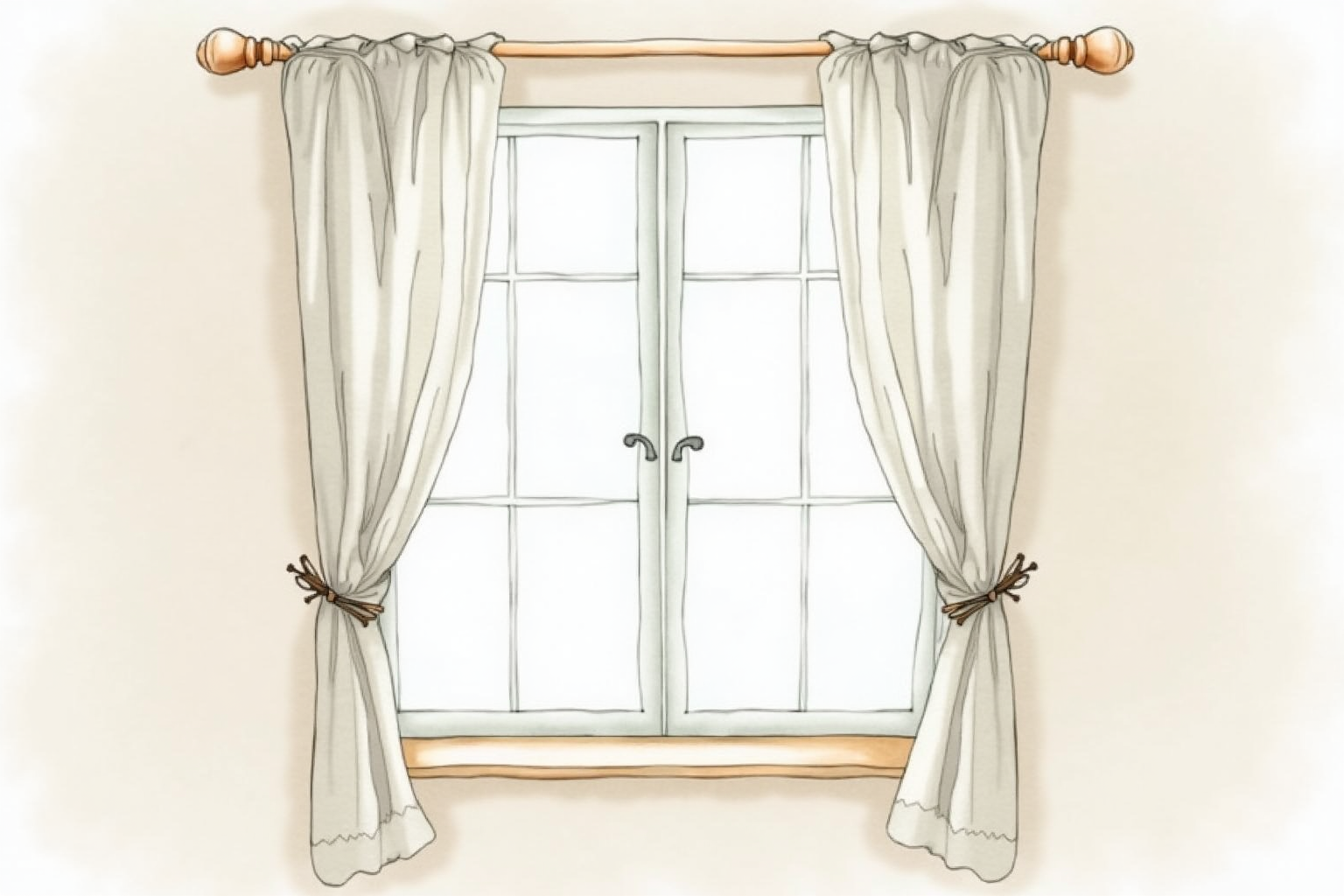
Window treatments transform small rooms in ways most renters underestimate. Properly chosen and hung curtains or blinds can make small windows appear 30% larger, control privacy precisely, and add aesthetic personality. After testing curtains, cellular shades, and layered combinations across multiple small apartments, here’s the practical guide.
Curtains vs Blinds Trade-Offs
Curtains:
- Softer visual impact
- Better insulation (heat retention)
- Easier to layer with sheer + heavier
- Can hide bad window views
- Make windows appear larger with proper hanging
- Cost: $50-300 per window
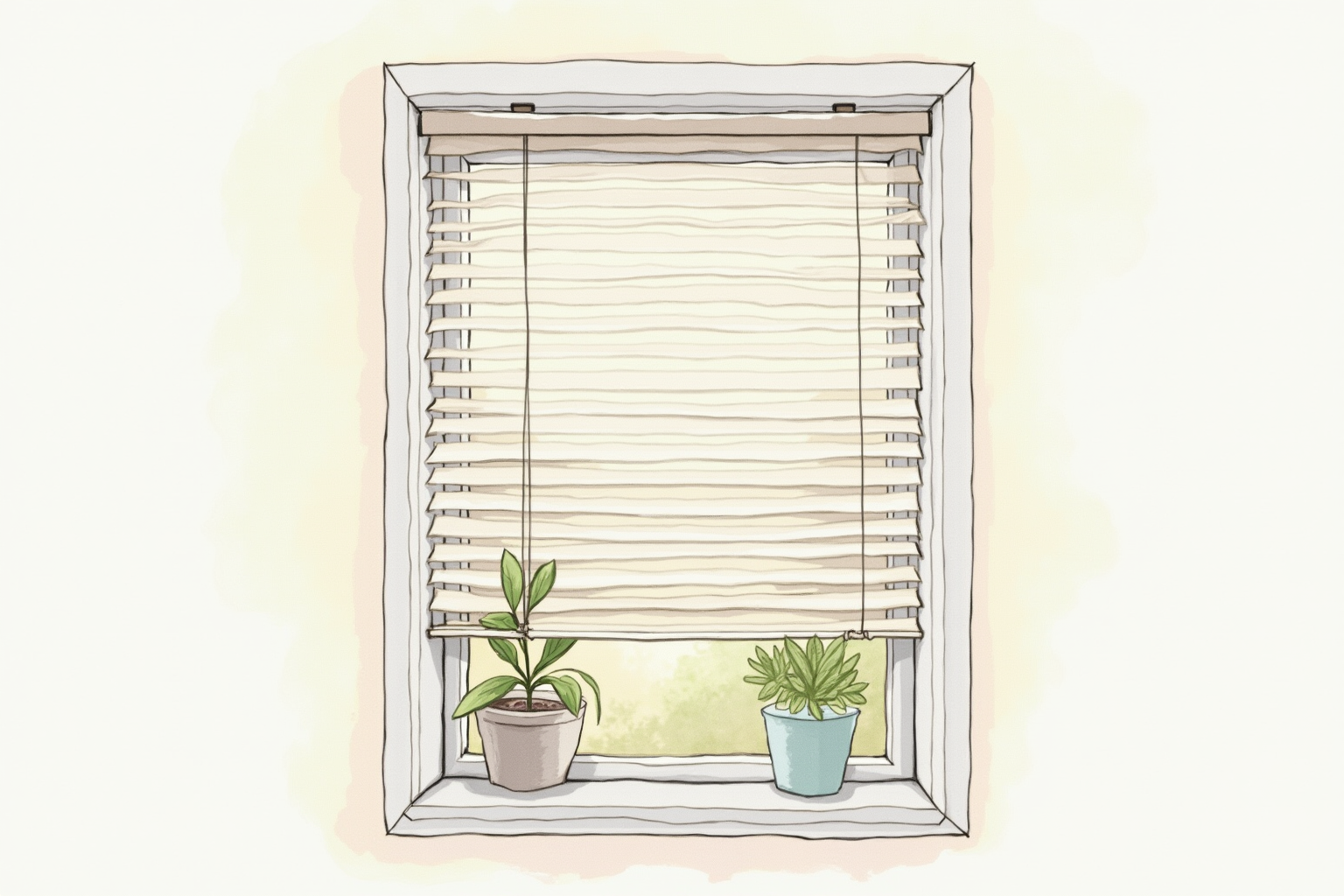
Blinds (horizontal slats, roller, cellular):
- Cleaner modern look
- Precise light control (adjust angle)
- Compact when retracted
- Easier to clean (wipe down)
- Less space when up
- Cost: $30-300 per window
For small rooms: curtains better for cozy bedrooms. Blinds better for kitchens and modern aesthetics.
The “Hang High and Wide” Rule
Critical for small windows:
Standard installation (wrong): Curtain rod at window frame edge. Curtains hang from frame width.
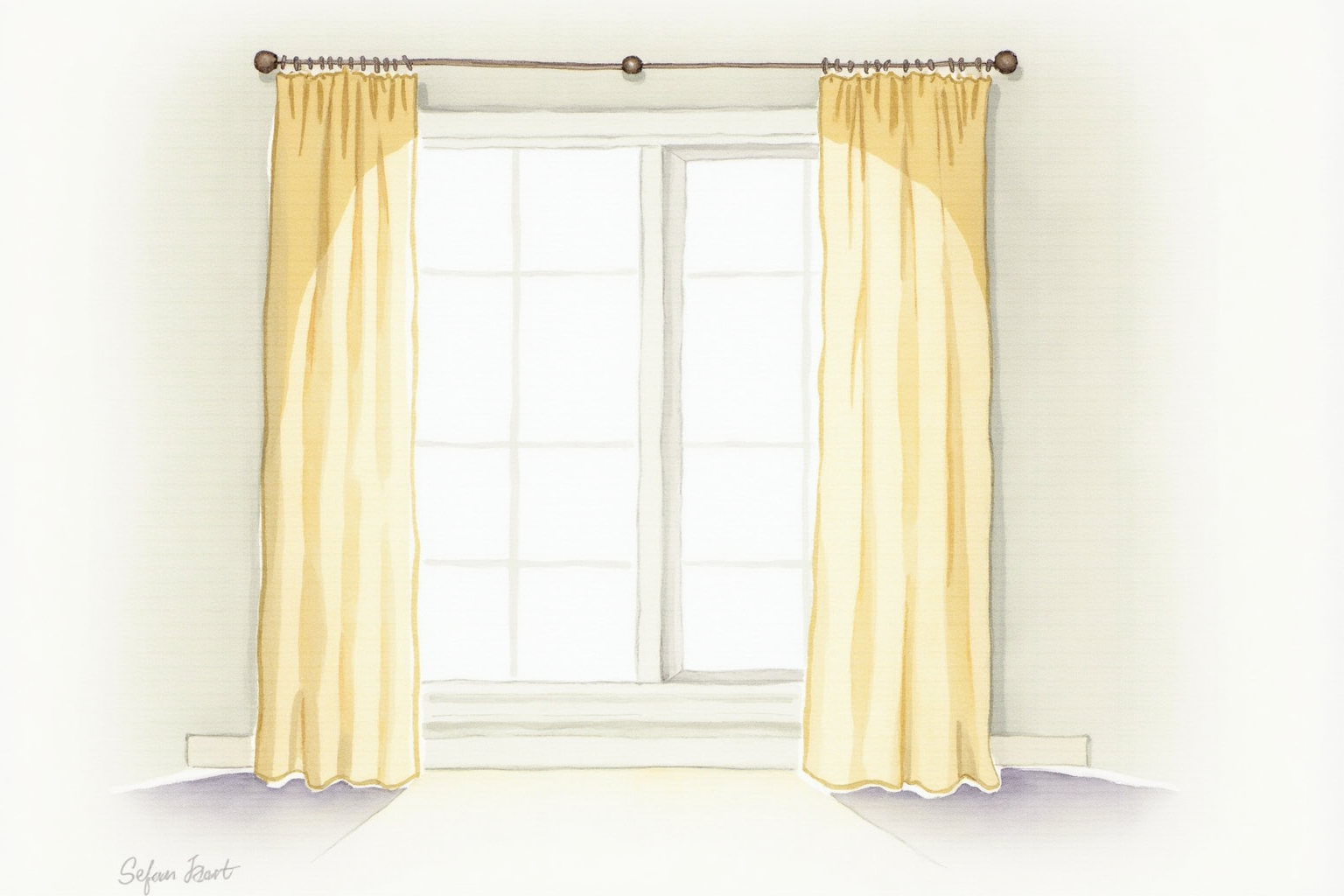
High-and-wide approach (right):
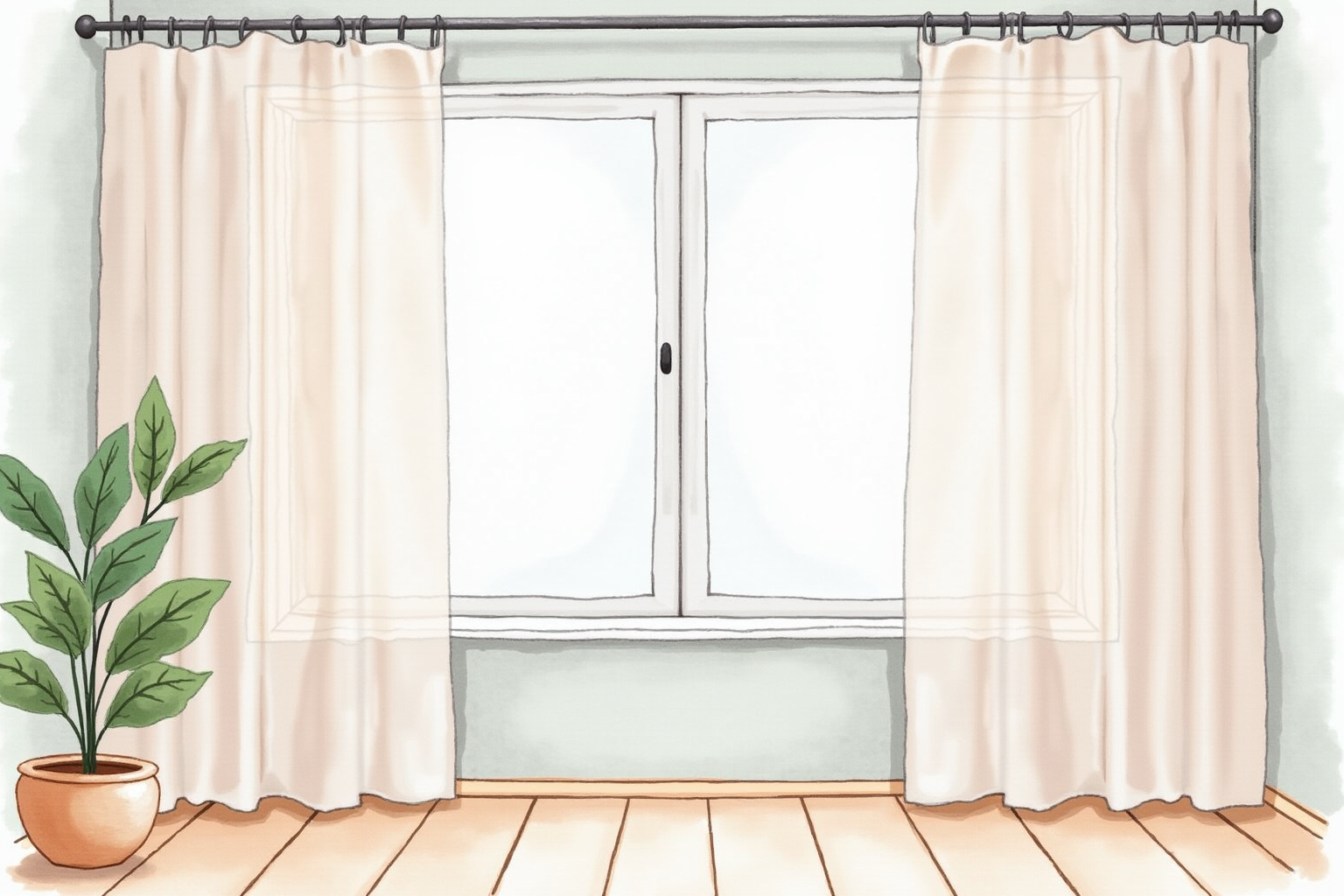
- Rod 4-6 inches above window frame
- Rod extends 6-12 inches beyond each side
- Curtains hang floor-to-ceiling when possible
- Curtain panels positioned so window is fully visible when open
Effect: Window appears 15-30% larger. Room feels taller and more spacious.
This single technique transforms small windows. Most renters miss this completely.
Curtain Length Options
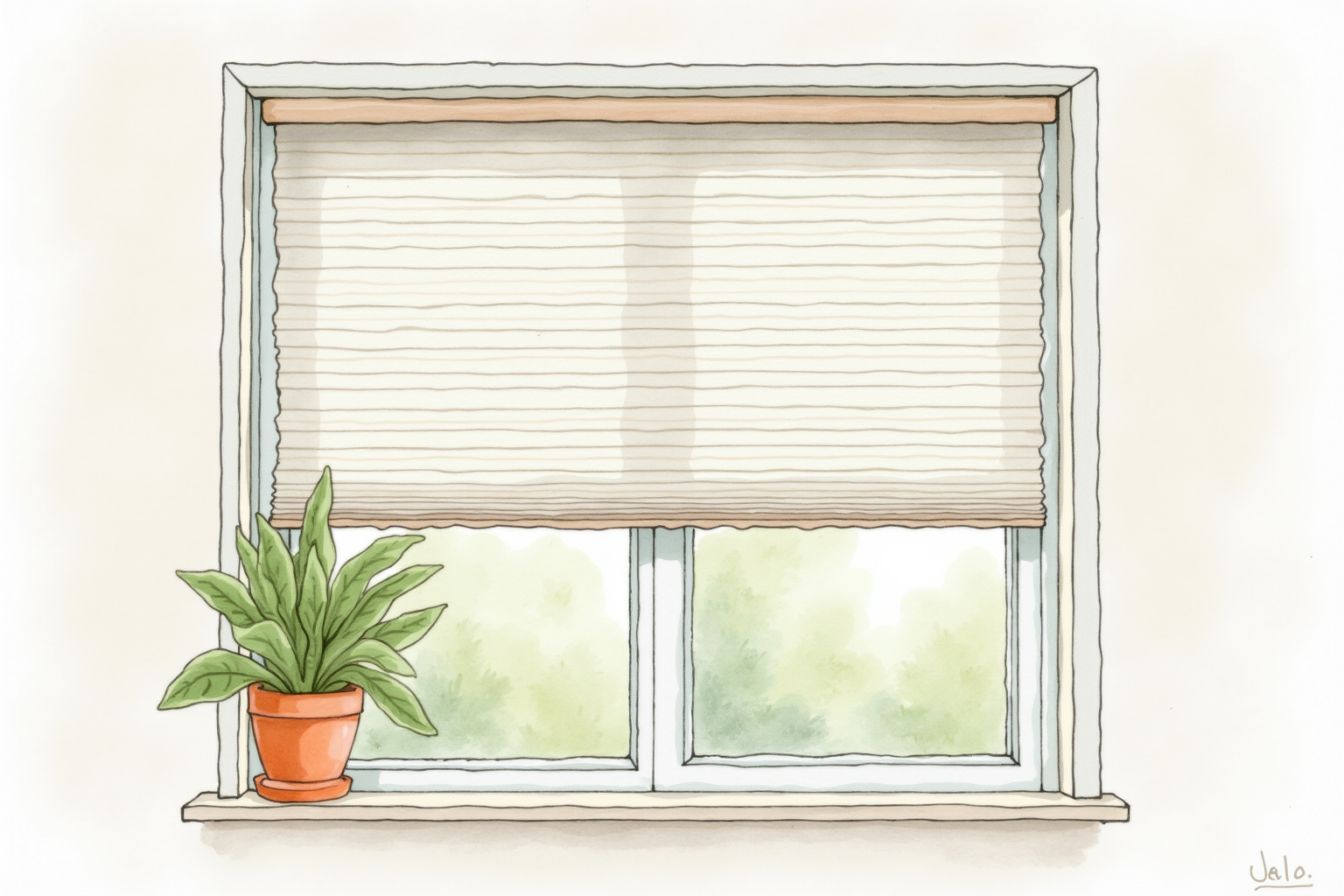
Floor-length (most common): Curtains end just above floor (1/4 inch gap) for clean look.
Puddle (slightly longer): Curtains pool on floor 2-6 inches. Formal aesthetic. Hard to clean.
Sill-length (short): Ends at window sill. Casual, kitchen-style. Visually shrinks windows.
Apron length (just below sill): Cottage style. Limited modern appeal.
For small rooms: floor-length almost always wins. Visual extension upward + downward = bigger feeling room.
Cellular Shades: The Premium Pick
Cellular shades (honeycomb shades) have unique benefits:
Insulation: Cells trap air, reducing heat transfer. 15-30% energy savings on heating/cooling.
Top-down/bottom-up option: Can be lowered from top for privacy with light, or raised from bottom for traditional use.
Compact stack: 4-6 inches when fully raised vs 12+ for traditional blinds.
Light filtering options: Sheer, light-filtering, room-darkening, blackout.
Cost: $60-400 per window depending on size and brand.
For most small apartment bedrooms: cellular shades deliver superior function. Pair with light curtains for aesthetic + function.
Privacy and Light Control Levels
Sheer curtains: Privacy: low. Light: maximum. Best for: rooms with no neighbor visibility.
Light-filtering: Privacy: medium. Light: high diffuse. Best for: living rooms.
Room-darkening: Privacy: high. Light: blocks 90%+. Best for: bedrooms.
Blackout: Privacy: highest. Light: blocks 99%+. Best for: light-sensitive sleepers.
For most small bedrooms: room-darkening or blackout cellular shades + sheer curtain layer. Best of both worlds.
Layered Approach
For maximum aesthetic + function:
Bottom layer: Cellular shades or blinds inside window frame.
Top layer: Sheer or decorative curtains outside frame, hung high-and-wide.
Function: Privacy and light controlled by shades. Aesthetic and softness from curtains.
Cost: $150-500 per window (combined).
For premium small-apartment aesthetic: layering is the design-forward choice.
IKEA RITVA Curtains Set of 2
Price · $30-50 per set — affordable cotton/polyester curtains
+ Pros
- · Cotton/polyester blend resists wrinkles
- · Multiple colors and standard sizes (98 inch length common)
- · Light-filtering for daytime softness without complete darkness
− Cons
- · Polyester component reduces premium feel of pure cotton
- · Limited length options (may need hemming for shorter windows)
- · Color may fade after years of direct sunlight
Paid affiliate link. Price, availability, and ratings can change; verify details on the retailer page before buying.
Color and Pattern Strategy
Match wall color: Curtains in same/similar color to walls blend visually. Window appears larger.
Subtle pattern: Adds visual interest without overwhelming small space.
Bold pattern: Statement piece. Use sparingly in small rooms.
Contrast color: Strong visual division. Makes window pop but may shrink visual space.
For small rooms: wall-matching color or subtle pattern feels most spacious. Bold colors as accent in larger windows.
Curtain Fabric Options
Cotton (versatile, $30-100): Natural feel, multiple weights, can wrinkle.
Linen (premium, $100-300): Beautiful drape, casual elegance, expensive.
Polyester (affordable, $20-80): Wrinkle-resistant, durable, less luxurious.
Velvet (heavy, $100-400): Dramatic, insulating, formal.
Sheer (specialty, $20-80): Soft light filter, casual aesthetic.
For most users: cotton or polyester blend in light-filtering weight is the sweet spot.
Renter-Friendly Options
Tension rods: No drilling. Spring-loaded inside window frame. Cost: $5-20.
Adhesive curtain rods: Stick-on brackets. Limited weight capacity. Cost: $15-30.
Existing hardware: Most apartments have rod brackets pre-installed. Use what’s there.
Removable hooks (Command brand): Hold lightweight curtain rods.
For renters who don’t want to drill: tension rods deliver function without damage.
Hardware Considerations
Curtain rod material:
- Metal: Most secure, multiple finishes
- Wood: Warmer aesthetic, can sag with heavy curtains
- Plastic: Cheapest, looks cheap
Bracket placement:
- Outside mount: 4-6 inches above window, 6-12 inches past edges (the high-and-wide approach)
- Inside mount: Inside window frame (smaller appearance)
Rod length: Total bracket-to-bracket span. Account for high-and-wide extension.
For premium look: metal rod in matte black or brushed nickel finish.
Cellular Shade Brands
Hunter Douglas Duette (premium, $200-600/window): Industry leader. Lifetime warranty.
Levolor (mid-tier, $80-300/window): Quality at moderate price. Wide availability.
Lutron Serena (smart, $300-700/window): Motorized, app-controlled. Premium tech.
Bali (budget, $50-180/window): Acceptable quality at value tier.
For most users: Levolor delivers premium feel at mid-tier price.
Hunter Douglas Duette Cellular Shades
Price · $200-600 per window — premium cellular shades with lifetime warranty
+ Pros
- · 15-30% energy savings via cellular insulation
- · Top-down/bottom-up option for flexible privacy and light
- · Lifetime warranty on mechanism and fabric
− Cons
- · Premium pricing vs basic blinds alternatives
- · Custom sizing required (4-6 week lead time)
- · Professional installation recommended ($50-100 extra)
Paid affiliate link. Price, availability, and ratings can change; verify details on the retailer page before buying.
Installation Tips
Measure twice: Window dimensions critical for proper fit. Width + height including frame.
Bracket placement: Mark with pencil before drilling. Use level for accuracy.
Stud anchoring for heavy curtains: Curtain rods supporting 20+ lbs need stud anchors.
Curtain rings: Easier to slide than rod-pocket curtains. Add visual texture.
Tie-backs: For curtain organization during day. Adds decorative element.
For DIY installation: 30-60 minutes per window typical. Pro install: $50-100 per window.
Maintenance
Curtains: Vacuum monthly with brush attachment. Wash per fabric care every 6-12 months.
Blinds: Dust weekly with microfiber cloth. Spot-clean with damp cloth.
Cellular shades: Dust with feather duster. Avoid water (damages cells).
Hardware: Check brackets yearly for loosening. Tighten as needed.
Cost Analysis
For typical small apartment (4-6 windows):
Budget: IKEA curtains + tension rods at $50-100/window = $200-600 total Mid-tier: Quality curtains + cellular shades at $200-400/window = $800-2400 total Premium: Designer + Hunter Douglas at $500-1000/window = $2000-6000 total
For most renters: budget approach is right. For owners: mid-tier delivers value.
Bottom Line — Pick Your Use Case
For most small apartments — IKEA RITVA curtains at $30-50 per set + cellular shades $80-200. Layered approach delivers function + aesthetic.
For renters — IKEA curtains + tension rods at $40-70 total. No drilling required.
For premium bedrooms — Hunter Douglas Duette cellular shades at $200-600. Best privacy + insulation.
For aesthetic priority — High-and-wide curtain mounting. Single technique transforms small windows.
For modern minimalism — Roller blinds or cellular shades alone. Skip curtains for cleaner look.
Avoid: hanging curtains exactly at window frame (visually shrinks), short curtains ending at sill (cottage style only), dark heavy curtains in small dark rooms (closes space), skipping the high-and-wide rule (missing free spaciousness upgrade).