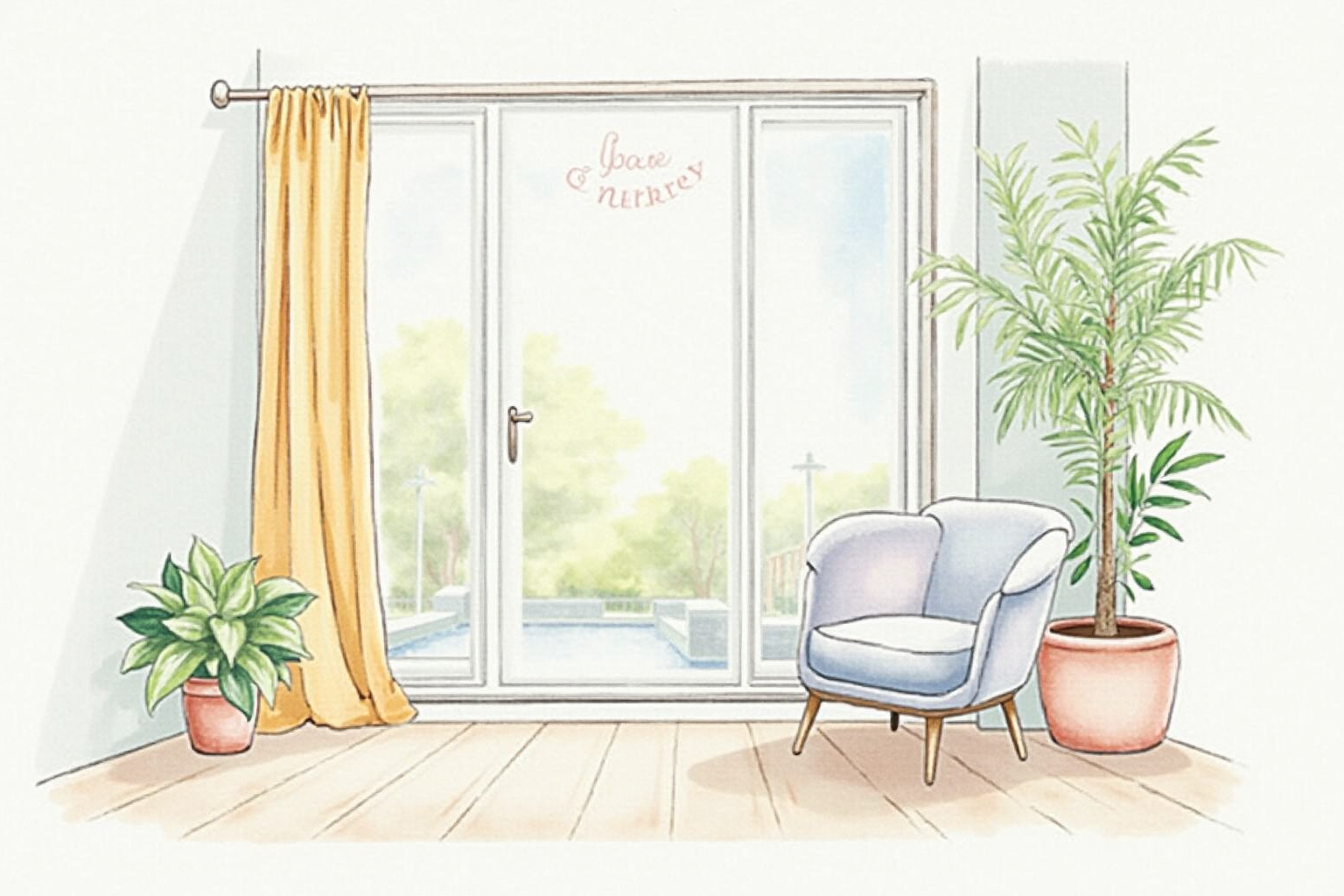
The right mirror placement can make a small room feel 30-50% larger. Mirrors reflect light, create perceived depth, and extend visual space. After testing strategic mirror placements across multiple small apartments, here’s the practical guide to using mirrors as your most powerful small-space design tool.
Why Mirrors Transform Small Rooms
Mirrors work through three mechanisms:
Light multiplication: Natural light bounces back into room, effectively doubling brightness.
Perceived depth: Mirror reflection creates illusion of additional space “beyond” the wall.
View duplication: Beautiful view (garden, art, decor) appears in two places at once.
For small rooms with limited natural light: strategically placed mirror can transform feel completely.
Best Placement Strategies
Across from window (highest impact):
- Reflects natural light directly back into room
- Doubles perceived brightness
- Best for rooms with one window (most apartments)
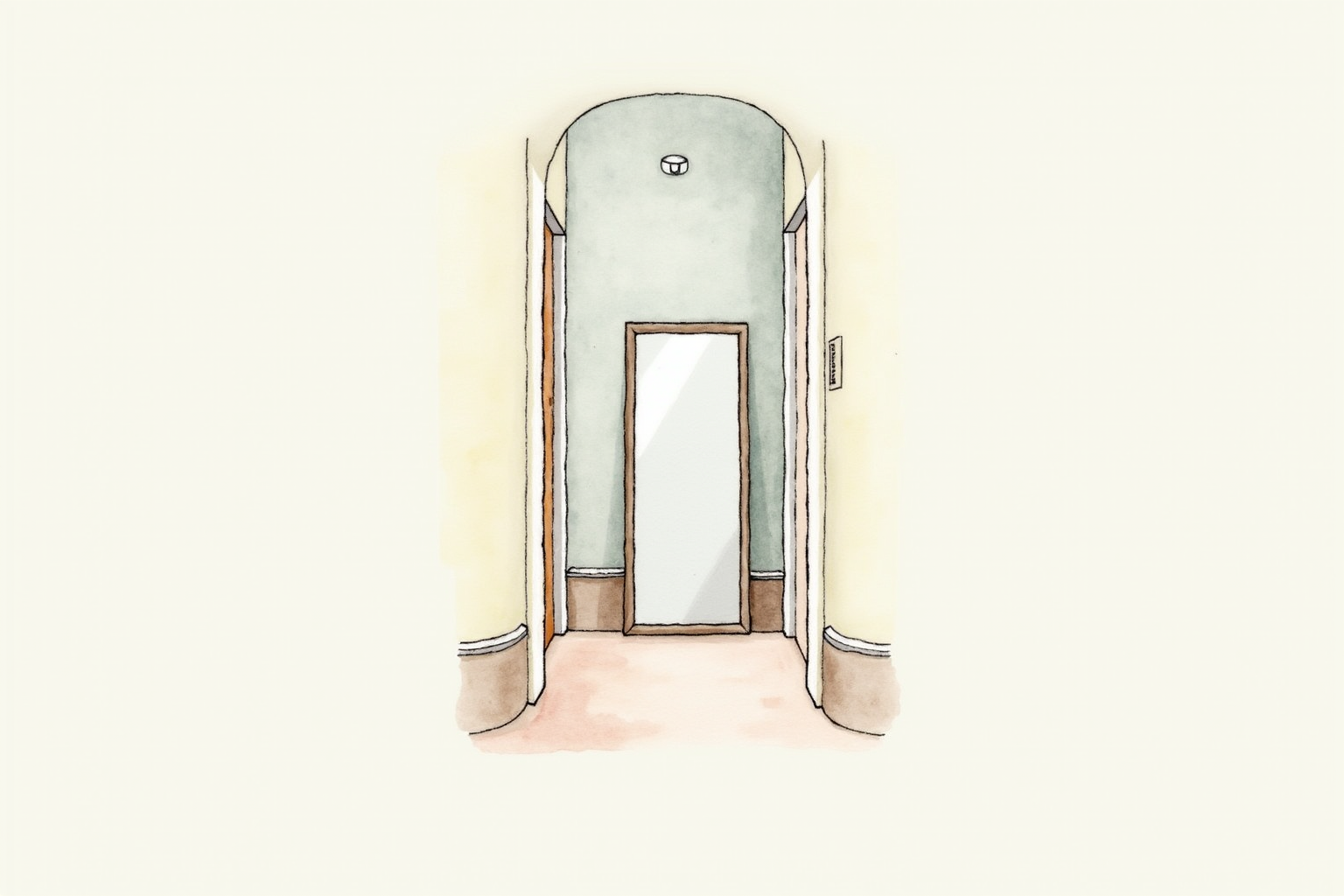
Across from doorway:
- Reflects view into room as you enter
- Creates sense of extended space
- Best for narrow rooms and hallways
Behind key furniture (sofa, bed):
- Extends visual space backward
- Makes furniture feel less crowded
- Subtle but effective
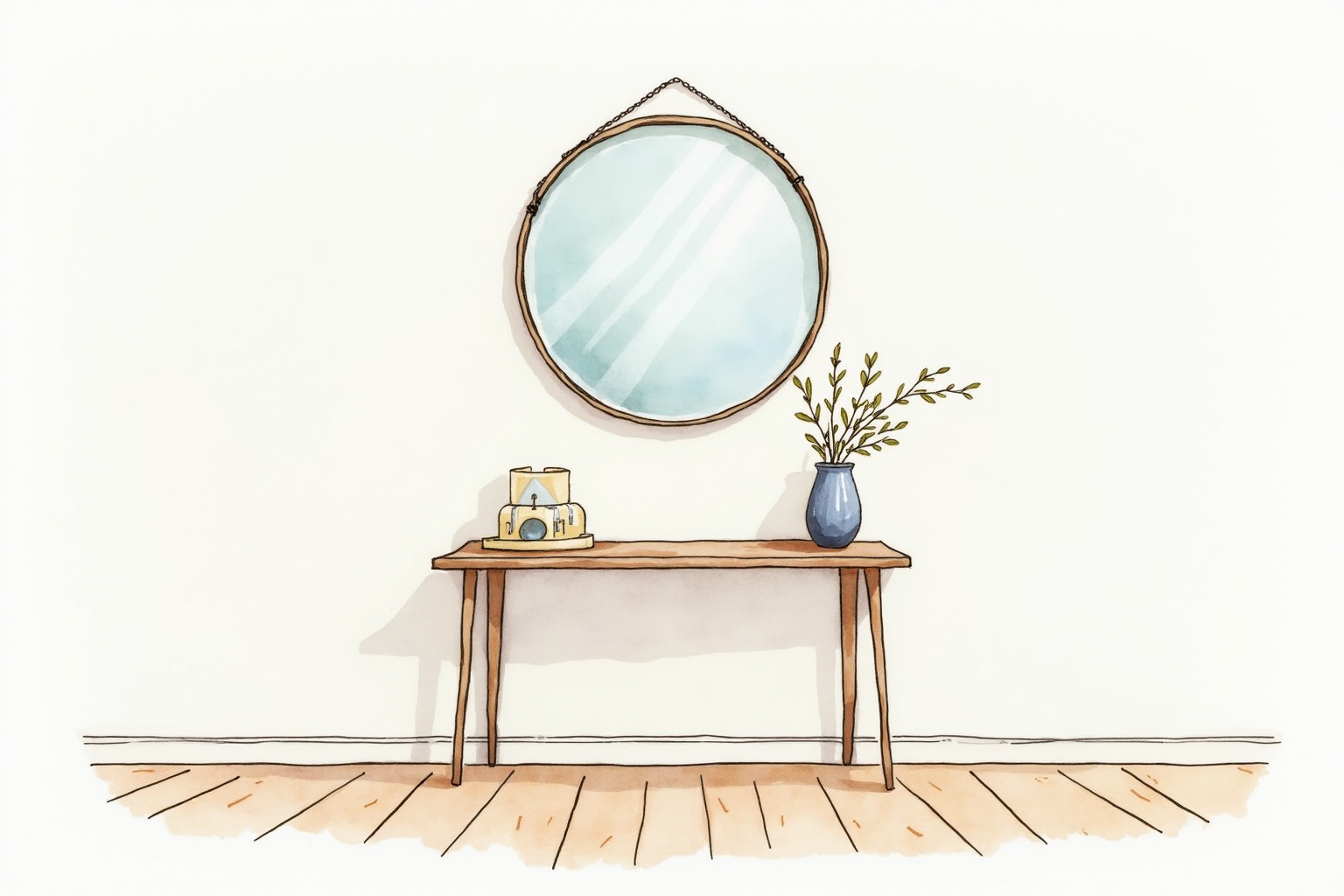
Above console or sideboard:
- Traditional decor approach
- Functional (last-look before leaving)
- Anchors furniture visually
On narrow walls:
- Visually widens narrow spaces
- Excellent in galley kitchens and hallways
Floor-Standing vs Wall-Mounted
Floor mirrors (leaning, 60-80 inches tall):
- No mounting required (renter-friendly)
- Adjustable angle
- Statement piece
- Cost: $100-400
Wall-mounted (varies):
- Permanent placement
- More secure (no tipping risk)
- Frees floor space
- Cost: $40-300
For renters or flexible setups: floor mirrors. For permanent installations: wall-mounted.
Mirror Sizing for Maximum Impact
Small (16-24 inch): Decor accent. Limited spaciousness impact.
Medium (30-48 inch): Standard wall mirror. Functional and visual.
Large (48-72 inch): Strong visual impact. Best for small rooms.
Extra large (72+ inch / floor-to-ceiling): Maximum impact. Transforms space.
For small rooms: go larger than feels comfortable. Floor mirrors 60-72 inches tall in living room create dramatic transformation.
IKEA HEMNES Floor Mirror
Price · $80-150 — large affordable floor-standing mirror
+ Pros
- · 63 inch tall provides dramatic spaciousness effect
- · Solid wood frame, multiple finishes (white, gray, black)
- · Leaning design — no wall mounting required
− Cons
- · IKEA-only availability or third-party resellers
- · Heavier than budget alternatives (40+ lbs)
- · Limited frame style options (functional, not premium)
Paid affiliate link. Price, availability, and ratings can change; verify details on the retailer page before buying.
Premium Mirrors
West Elm Industrial Floor Mirror ($350-500): Modern aesthetic, metal frame.
Pottery Barn Astor ($400-650): Traditional, beveled glass, designer feel.
Anthropologie Margaret Mirror ($600-900): Statement piece, intricate frame.
For design-priority spaces: premium mirrors become focal artwork.
Gallery Wall Approach
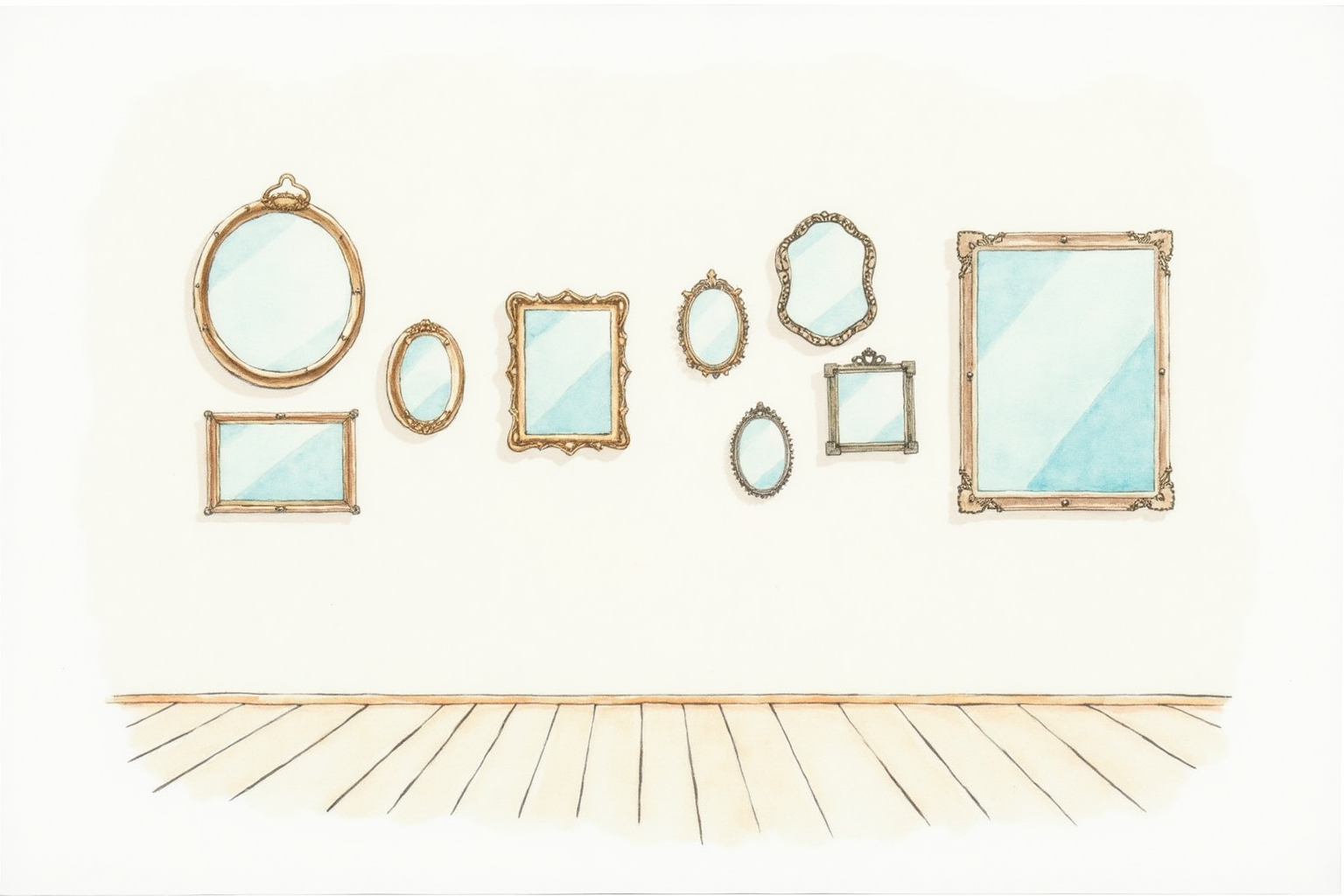
For users wanting multiple smaller mirrors:
Cluster 5-8 mirrors: Varying sizes and shapes. Geometric pattern.
Mixed media: Combine mirrors with framed art. Adds visual texture.
Color coordination: All-gold frames for warm look. All-black for modern. Mixed for eclectic.
Hanging pattern: Start with center piece, build outward symmetrically or organically.
For small spaces with limited wall area: 4-6 mirror gallery (8-15 inches each) works well.
Specific Room Applications
Living room:
- Large mirror across from main window
- Above sofa as focal point
- Behind console table or sideboard
Bedroom:
- Above dresser (functional + reflective)
- Behind bed (subtle space extension)
- Avoid: directly facing bed (some find disturbing for sleep)
Bathroom:
- Above vanity (functional)
- Across from vanity to reflect window light if possible
- Full-length on bathroom door
Entryway:
- Floor mirror leaning against wall
- Above console table
- Last-look mirror near door
Hallway:
- Long horizontal mirror (visually widens)
- Series of small mirrors creates art gallery feel
Dining room:
- Above sideboard
- Avoid: directly behind diners (uncomfortable for guests)
What to Reflect
Mirror reflects what’s facing it. Plan carefully:
Reflect good views: Window with garden view, beautiful art, decorative wall.
Avoid reflecting clutter: Mirror doubles visual mess. Position to avoid messy areas.
Avoid reflecting bathroom interior into other rooms: Position mirror so bathroom door view doesn’t reflect through.
Consider sight lines: Reflection visible from main seating area? Plan accordingly.
For most placements: aim mirror to reflect natural light source (window) or beautiful decor element.
Shape Considerations
Round mirrors: Soft, contemporary. Good in formal spaces. Best above round/oval tables.
Square/rectangular: Classic, versatile. Best for most placements.
Arched (round top): Trendy, architectural feel. Statement piece.
Sunburst/decorative shapes: Strong decorative impact. Use as statement piece.
Oversized rectangle: Most dramatic space expansion.
For most small rooms: large rectangular or arched mirrors deliver maximum impact.
Frame Styles
No frame (mirror only): Modern, minimal. Maximum reflection per dollar.
Thin metal frame: Industrial aesthetic. Black, brass, gold options.
Wood frame: Warm, traditional or rustic.
Ornate gilt frame: Traditional, vintage feel.
Beveled edge: Light-catching detail. Premium feel.
Match frame style to room aesthetic. Most users land on thin metal or wood frame for versatility.
West Elm Industrial Floor Mirror
Price · $350-500 — premium leaning floor mirror
+ Pros
- · 71 inch tall provides dramatic spaciousness effect
- · Metal frame in multiple finishes (brass, bronze, black)
- · Modern industrial aesthetic complements many decor styles
− Cons
- · Premium pricing vs IKEA alternatives
- · Heavier delivery and assembly required
- · Metal frame may scratch wood floors without protective pads
Paid affiliate link. Price, availability, and ratings can change; verify details on the retailer page before buying.
Safety Considerations
For floor mirrors:
Anchor to wall: Even leaning mirrors should have wall anchor (kit included with most). Prevents tipping if pushed accidentally.
Felt pads under base: Prevents floor scratches when adjusting position.
Anti-tip strap: Critical with children/pets. $5-15 hardware kit.
For wall-mounted:
Heavy mirror anchoring: 25+ lb mirrors require stud anchoring. Drywall anchors fail under load.
Mounting hardware: Use rated hardware (D-rings, hangers rated for mirror weight).
Lighting Interactions
Mirrors and lighting work together:
Natural light: Mirror across from window doubles light effect.
Artificial light: Mirror near lamp creates brighter ambient feeling.
Multiple light sources: Mirror amplifies layered lighting (overhead + lamps + accent).
Dark rooms: Mirror won’t fix lack of light source. Add lamps before relying on mirror reflection.
For small dark rooms: combine mirror + multiple lamps for transformation.
Common Mistakes
Too small for space: Tiny decorative mirror has minimal impact. Go bigger.
Wrong reflection: Reflecting clutter doubles mess visually.
Facing other mirrors: Creates infinity loop, unsettling.
Wrong height: Mirror too high (above eye level) or too low (below shoulder) loses function.
Skipping anchor on floor mirror: Tipping injury risk with children or pets.
Overusing in one room: 3+ mirrors in single small room creates chaos.
Cost Analysis
For typical small apartment mirror investment:
Budget: IKEA HEMNES floor mirror at $80-150 — transformative impact at low cost.
Mid-tier: 2-3 mirrors total at $150-300 — covers living room + bedroom + entryway.
Premium: Single statement piece at $300-600 + 2 smaller accents at $100-200 each.
For most users: budget tier delivers 80% of premium impact. Spend savings elsewhere.
Bottom Line — Pick Your Use Case
For maximum impact — Floor mirror at 60-72 inches tall. Lean against wall opposite window. Dramatic spaciousness effect.
For renters — IKEA HEMNES Floor Mirror at $80-150. No wall mounting, easy move-out.
For aesthetic priority — West Elm or Pottery Barn premium mirrors at $300-500. Statement piece doubles as decorative art.
For gallery wall approach — 5-8 small mirrors at $15-40 each. Cluster pattern, varying sizes.
For entryway and last-look — leaning floor mirror or large wall mirror near door.
Avoid: small mirrors as primary spaciousness tool (too little impact), facing other mirrors (infinity loop), positioning to reflect clutter (doubles visual mess), skipping anti-tip anchor on floor mirrors (safety risk).