A window air conditioner can make a small apartment livable during heat, but the layout around it matters as much as the unit itself. Furniture, curtains, cords, condensation, and walking paths decide whether cool air reaches the room safely. This June 2026 guide focuses on renter-friendly choices that do not require drilling first or hiding hazards behind a pretty setup.
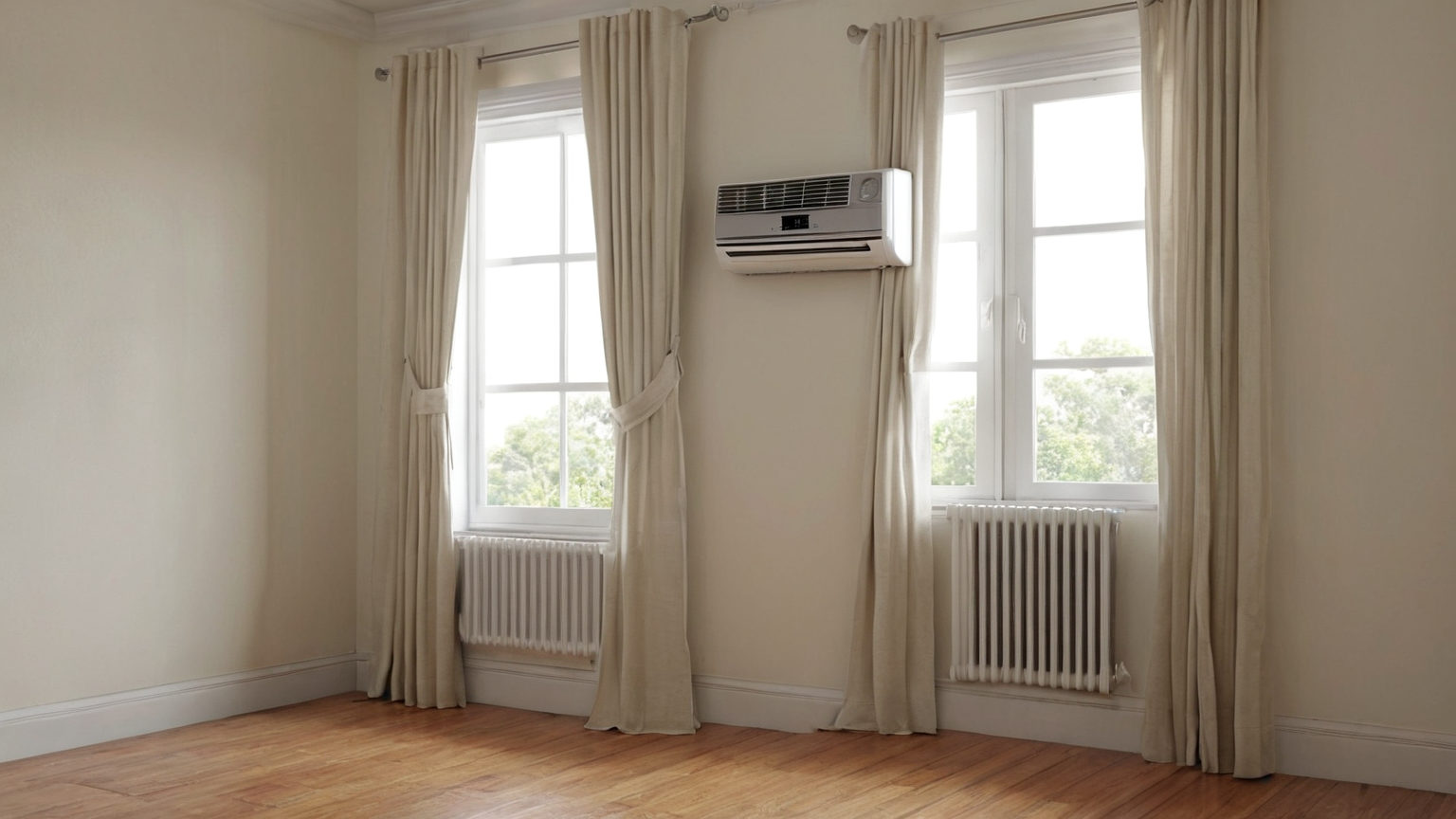
Window AC layout decision table
| Layout issue | Better choice | Mistake to avoid |
|---|---|---|
| Blocked airflow | Keep the discharge path open toward the room | Pushing a bookcase or curtain in front of the vent |
| Cord route | Use the correct outlet location and keep walking paths clear | Running cords under rugs or across a doorway |
| Condensation | Check sill, side panels, and floor after humid days | Assuming a hidden drip is harmless |
| Heat pockets | Move tall furniture away from the cooling path | Cooling only the window corner |
| Lease limits | Confirm permitted installation and support rules | Improvising hardware that violates the lease |
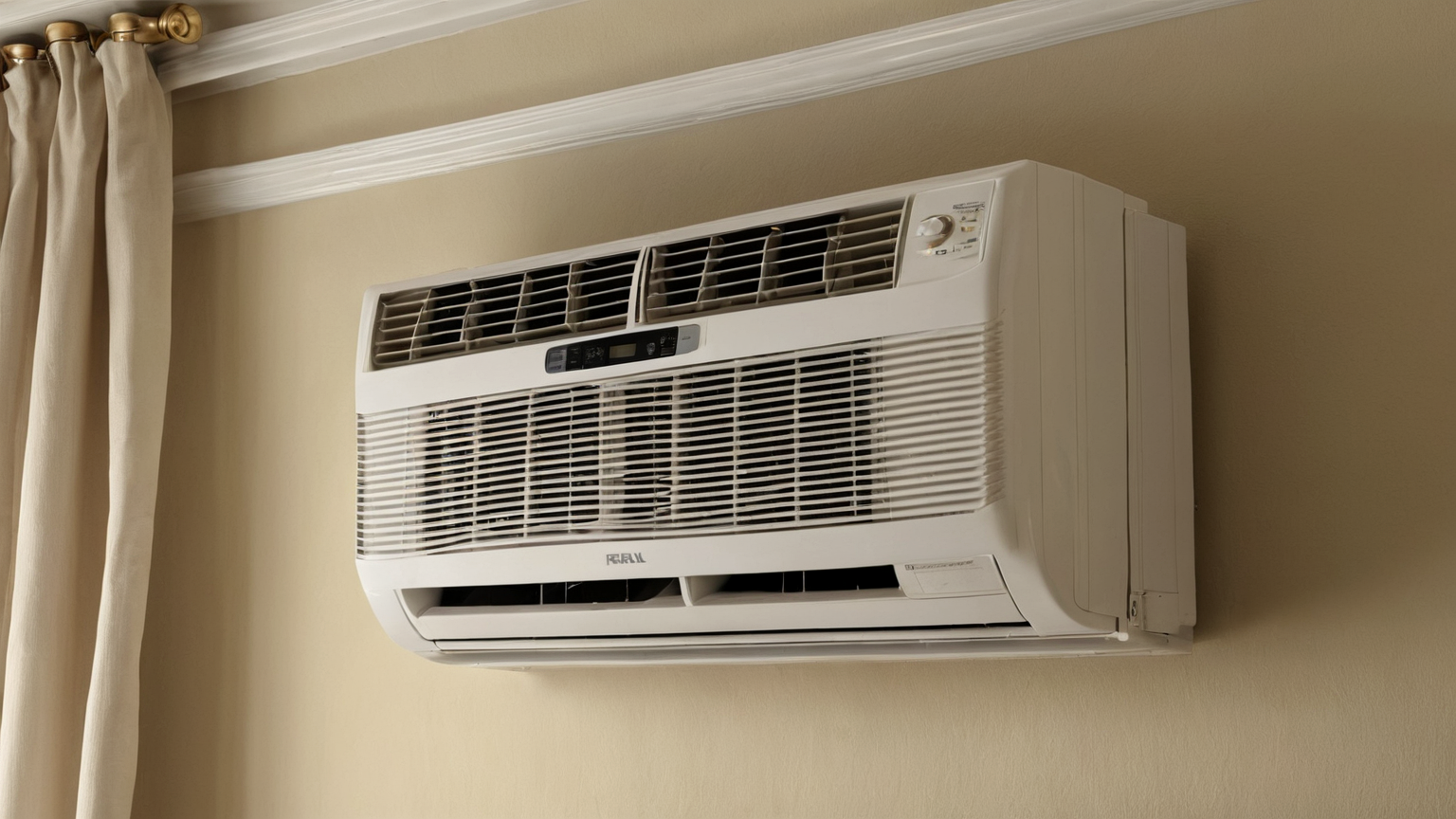
Start with the air path, not the decor
Stand in front of the unit and imagine the first ten feet of air. If the bed frame, wardrobe, curtain, plant shelf, or desk blocks that path, the room may feel uneven even when the unit is working. In a studio, aim the open path toward the sitting or sleeping zone, then use a fan only as a helper, not as proof the AC can be hidden behind furniture.
Keep fabric away from the machine
Curtains can help with solar heat, but they should not drape into the intake or discharge area. Use tiebacks, tension rods, or renter-safe clips to keep fabric clear. If blackout curtains trap hot air behind the unit or flap into the vent, they are reducing comfort and may increase moisture problems. A clean gap is more useful than a perfect photo.
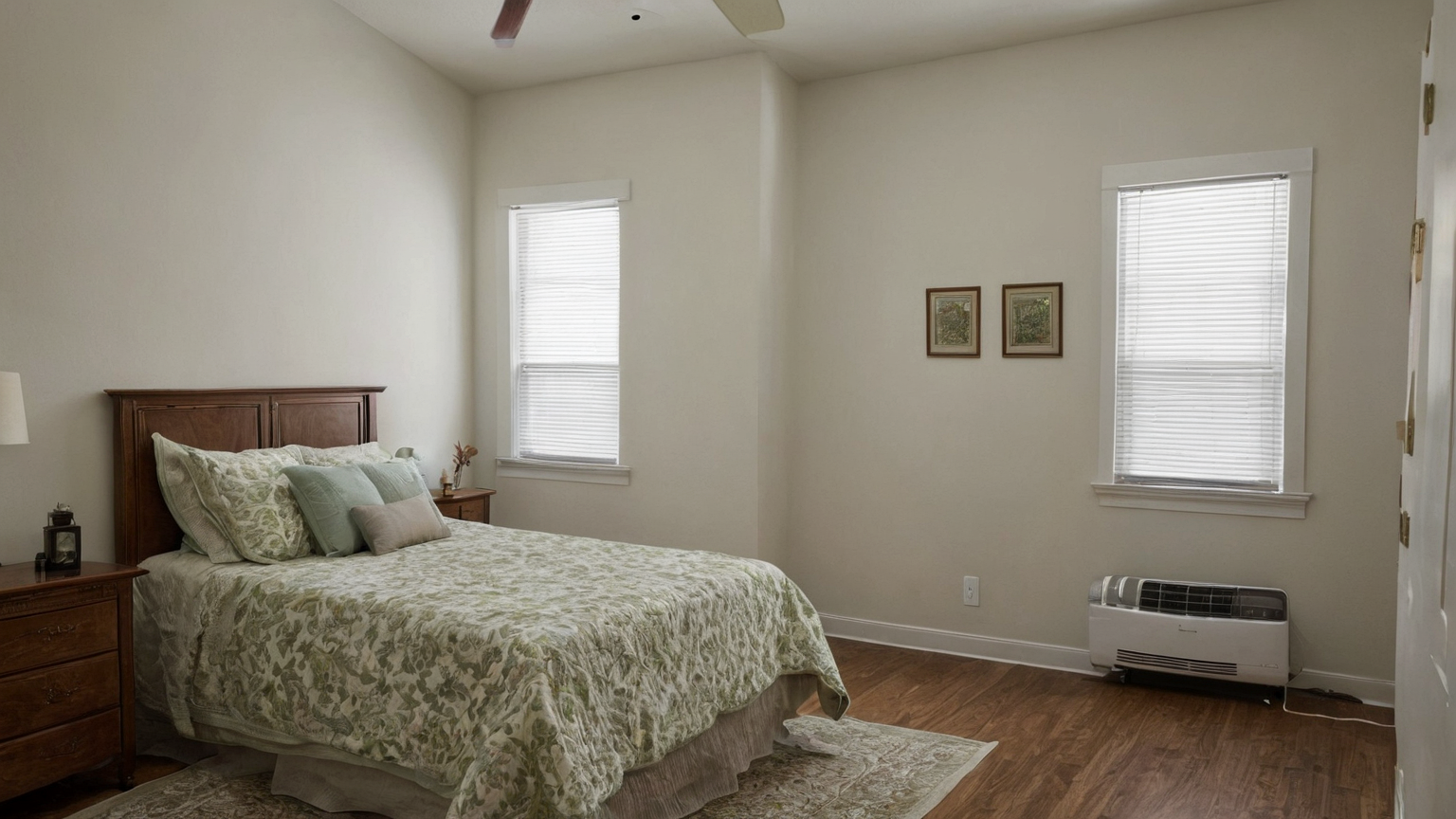
Treat cords as part of the floor plan
A cooling layout is unsafe if it creates a trip line. Do not hide cords under rugs, pinch them behind furniture, or route them through wet areas. Avoid overloading outlets or using improvised adapters. If the unit cannot reach an appropriate outlet without a hazardous route, change the room plan or ask the landlord or a qualified electrician instead of normalizing the risk.
Make condensation visible
Humidity can reveal installation mistakes. After a long run on a humid day, inspect the sill, side panels, wall below the window, and floor. Look for swelling, staining, musty odor, or water that returns. Put absorbent storage, books, paper, and electronics away from the risk zone. If water enters the apartment, document it and escalate rather than covering it with decor.
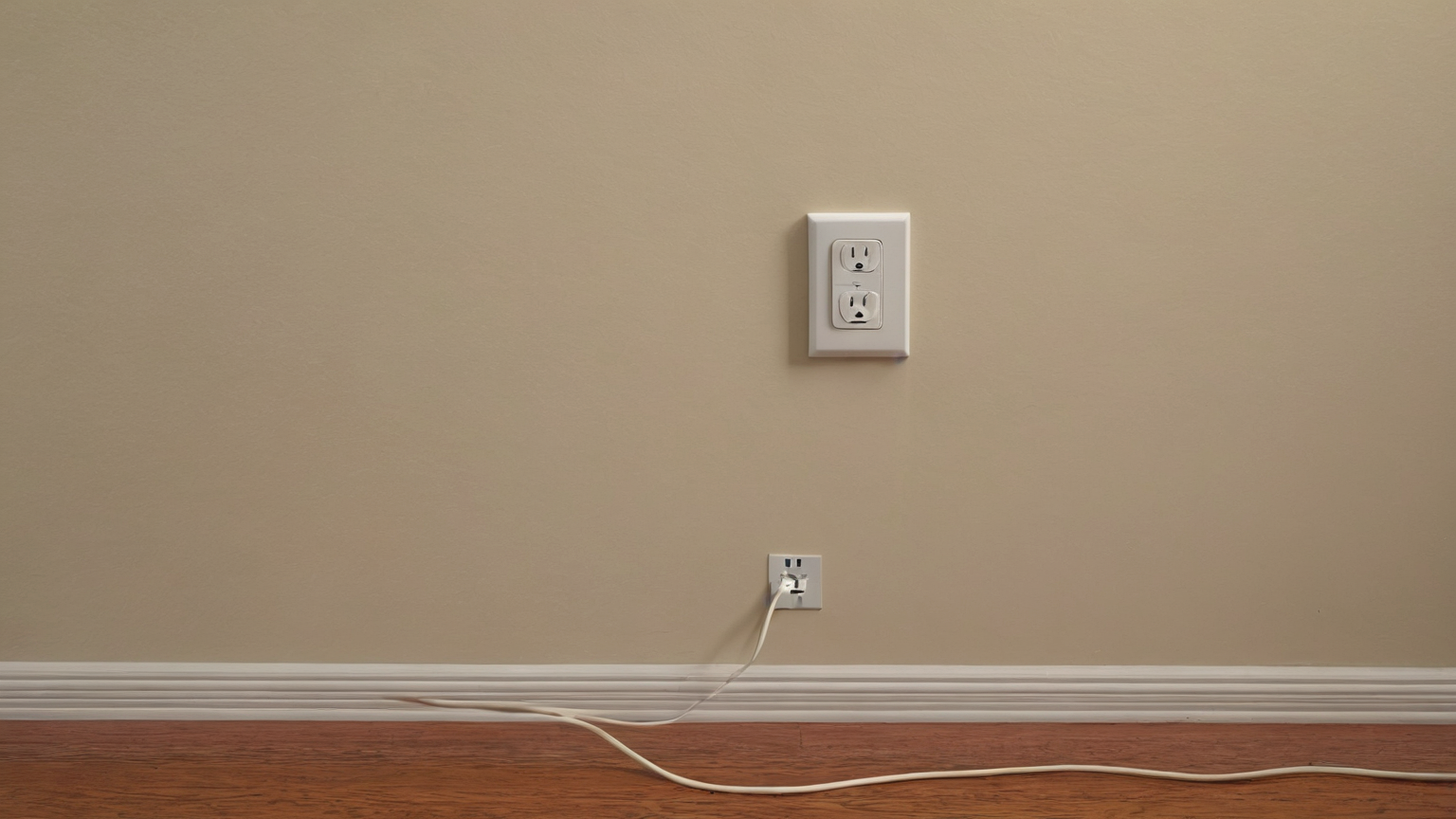
Arrange furniture for cool sleep and clear exits
Small bedrooms often force compromises, but clear paths still matter. Leave room to walk to the bed, door, and window without stepping over fans, cords, baskets, or shoes. If a fan helps circulate cool air, place it where it cannot be kicked at night. Heat can make people tired and less careful, so the room should be safe when you are half awake.
Renter-friendly adjustment order
First, clean around the unit according to the manual and confirm the allowed installation. Second, move tall furniture and curtain fabric. Third, test fan placement. Fourth, monitor condensation after humid days. Fifth, document persistent heat or water issues for the landlord. This order prevents buying organizers before solving the actual layout problem.
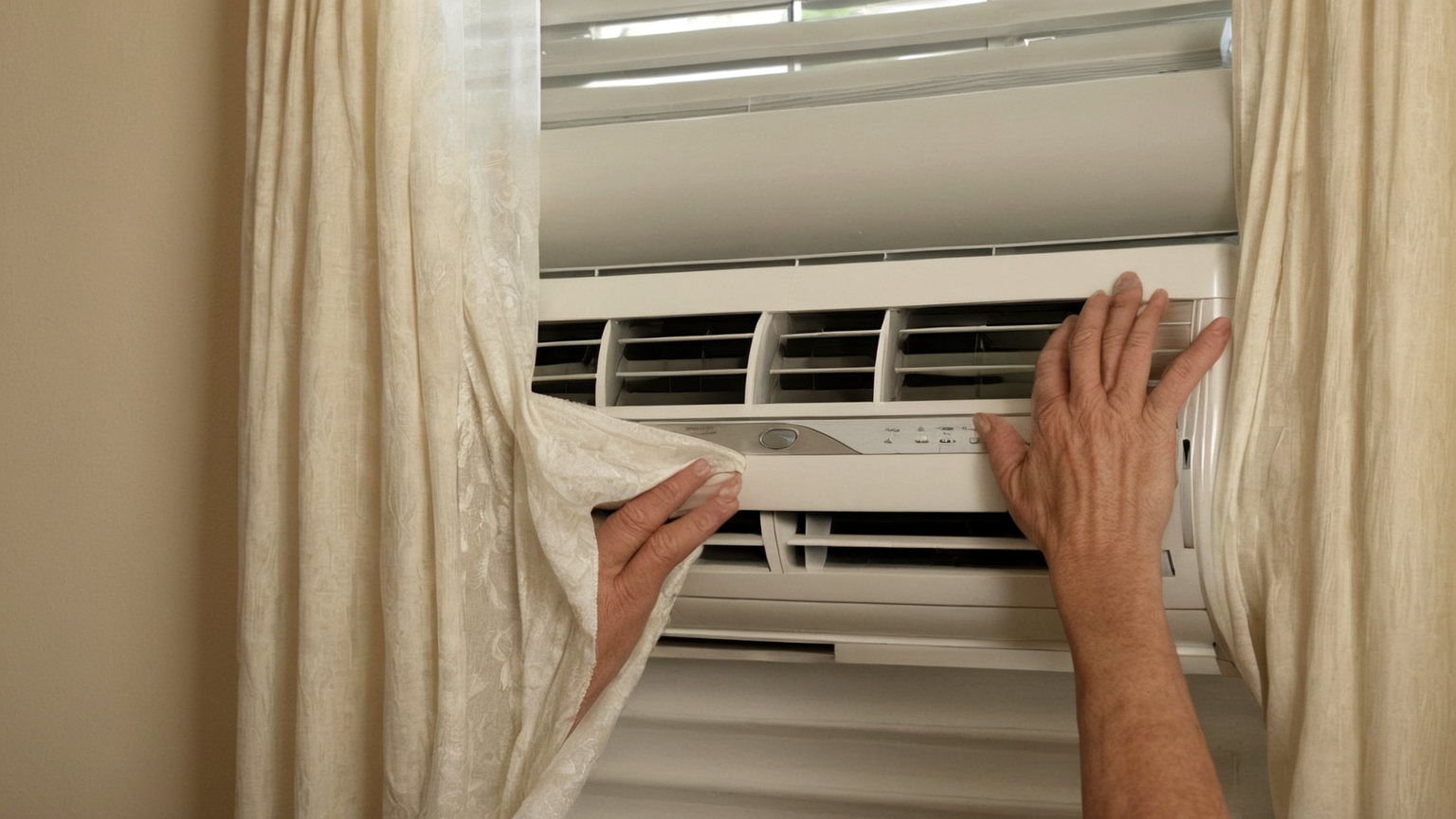
Small apartment checklist
- Keep the AC intake and discharge areas open.
- Keep curtains, bedding, and plants away from vents.
- Route cords away from walking paths and water.
- Check condensation after long humid operation.
- Keep the exit path clear at night.
- Document lease or maintenance issues early.
Example layout fix
A renter with a hot studio moves a tall shelf from beside the AC to the opposite wall, clips curtains away from the vent, shifts the desk so the cord is not underfoot, and places a small fan across the room. The room cools more evenly without a new unit or permanent hardware.
Summary
Window AC comfort is a layout system: open airflow, visible moisture, safe cords, clear paths, and lease-aware choices. If the room still overheats after those steps, the evidence you collected will make the maintenance conversation more useful.