A cooler bedroom is not created by one gadget. In a rental, the best summer layout combines shade, airflow, bedding, safe cords, and a clear path to the door. This guide, checked against public heat, energy, indoor-air, tenant, and safety guidance in May 2026, focuses on reversible changes that reduce glare and trapped heat without drilling first or creating a new hazard.
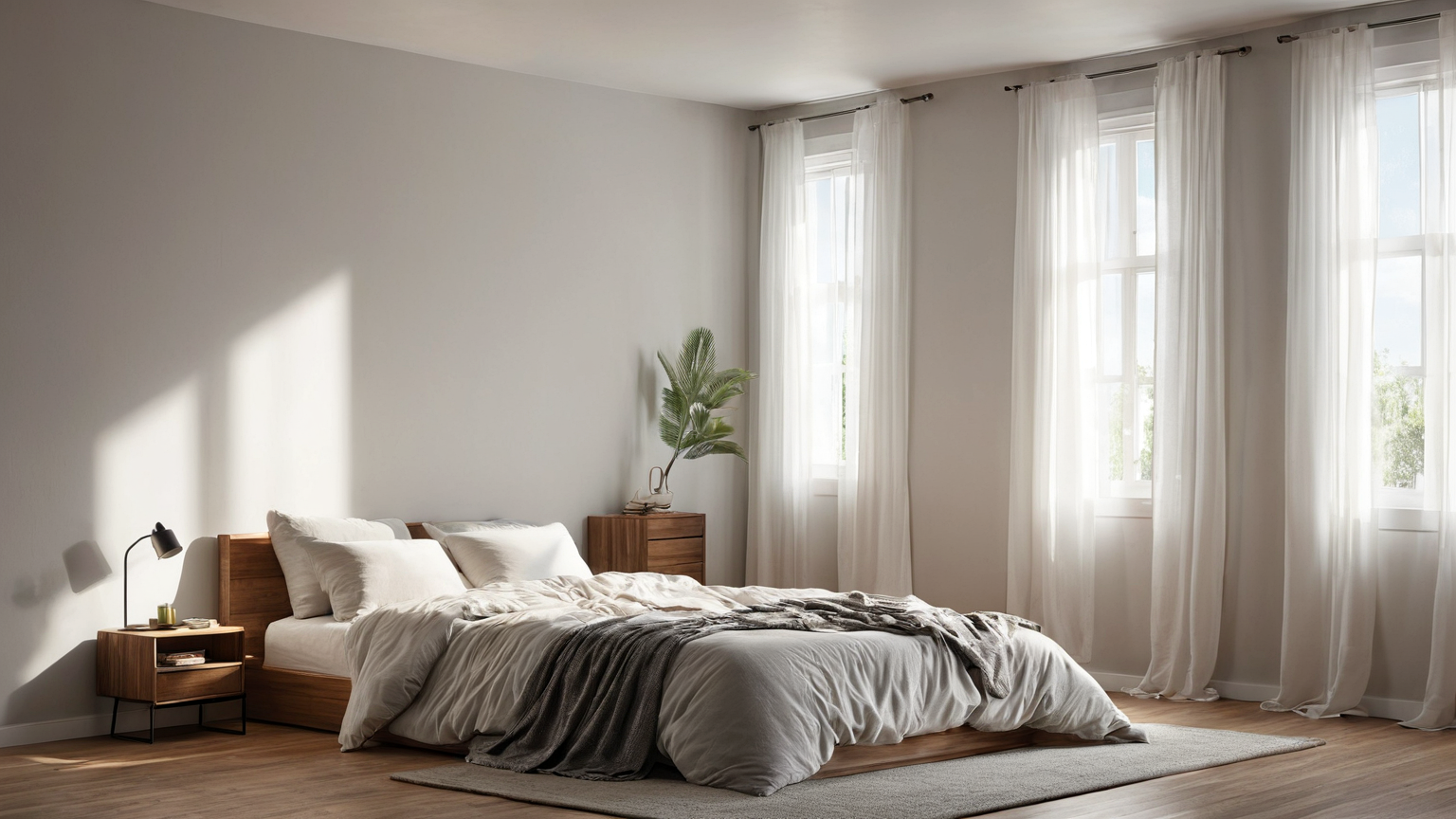
Quick decision map
| Situation | Better first move | Avoid | Evidence to collect |
|---|---|---|---|
| Situation | Better first move | Avoid | Evidence to collect |
| Morning sun overheats the bed wall | Close light-colored curtains before direct sun hits | Waiting until the room is already hot | Sun direction, hour-by-hour room notes |
| Night air is cooler outside than inside | Use one fan for exhaust and one for gentle intake if safe | Blocking egress windows or running unsafe cords | Window type, outlet path, weather check |
| Lease or walls are strict | Use tension rods, removable clips, and freestanding fans | Drilling, adhesive damage, hidden mold risk | Lease clause, photos before/after |
| Heat is severe or health symptoms appear | Follow official heat guidance and seek cooler shelter | Treating curtains as a medical/safety solution | Local heat alert, cooling center, emergency plan |
Map sun, door swing, and outlet limits
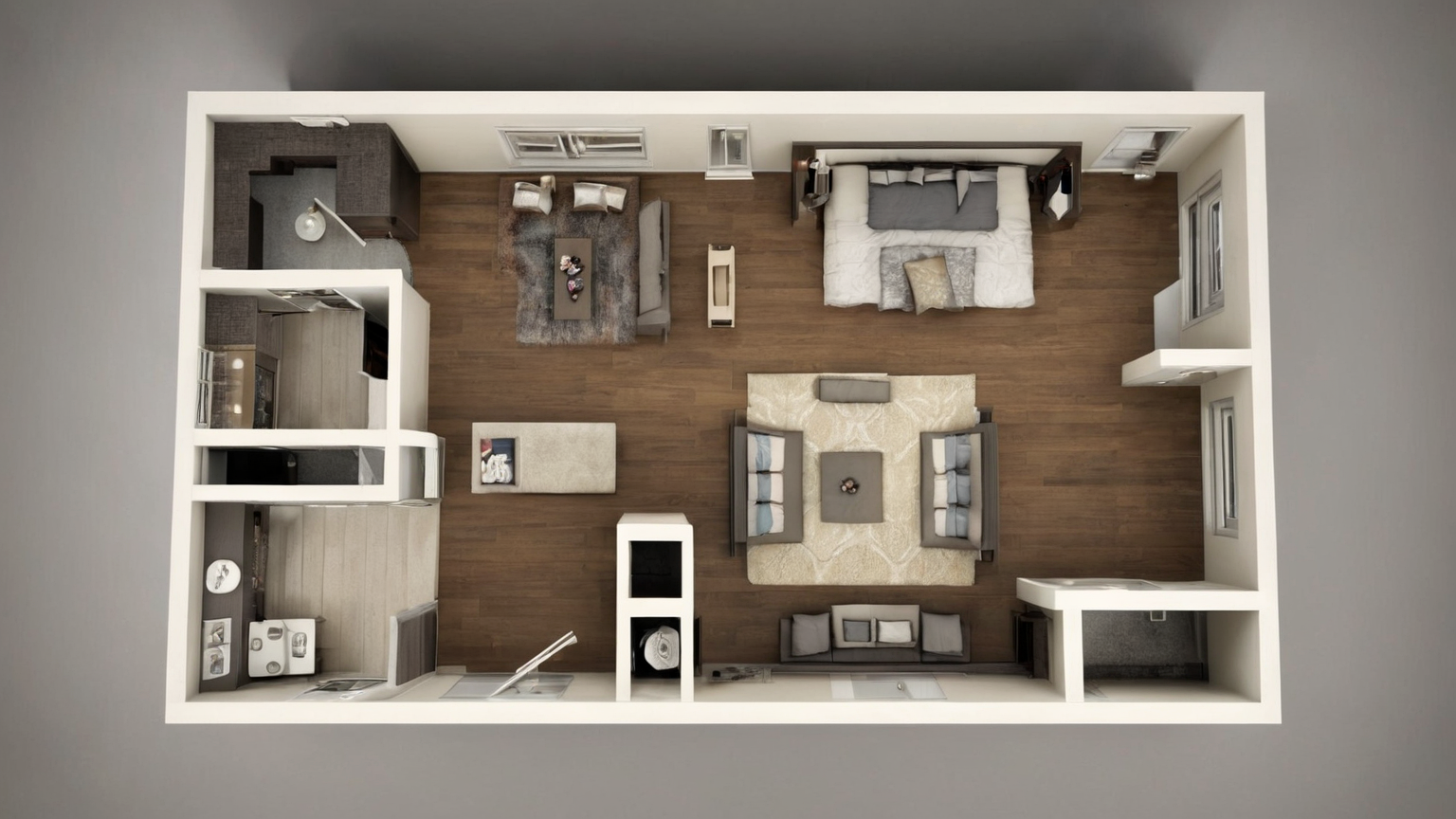
Spend one hot afternoon observing where sun hits, where the door swings, and where cords would cross a walking path. Put the bed where air can move around it. Avoid pushing fabric against heaters, vents, damp walls, or overloaded outlets. The best layout is boring: easy to walk through when half asleep, easy to clean, and easy to reverse at move-out.
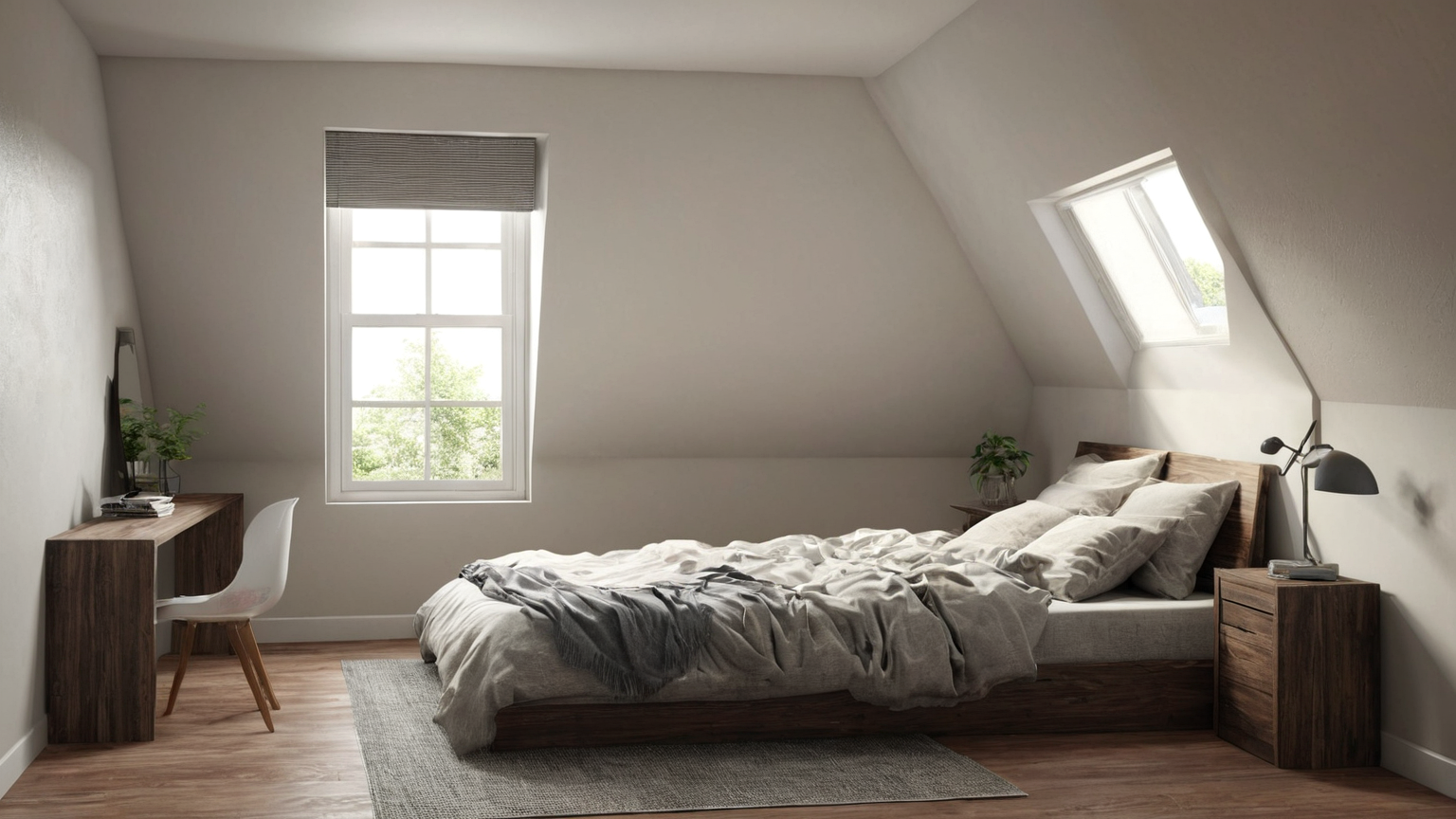
Use curtains as a heat strategy, not just decor
Window attachments can reduce heat gain, but installation matters in a rental. Choose tension, existing hardware, or approved methods. Keep cords controlled, especially around children and pets. Layering a light sheer with a darker panel can manage glare while preserving privacy, but do not trap moisture or block required egress.

Aim fans through the room
A fan cools people by moving air; it does not lower room temperature by itself. Place it to move air across the sleep zone or support evening ventilation when outdoor air is cooler. Keep blades, cords, and unstable stands away from bedding. If heat is severe, official heat-health guidance matters more than a styling plan.
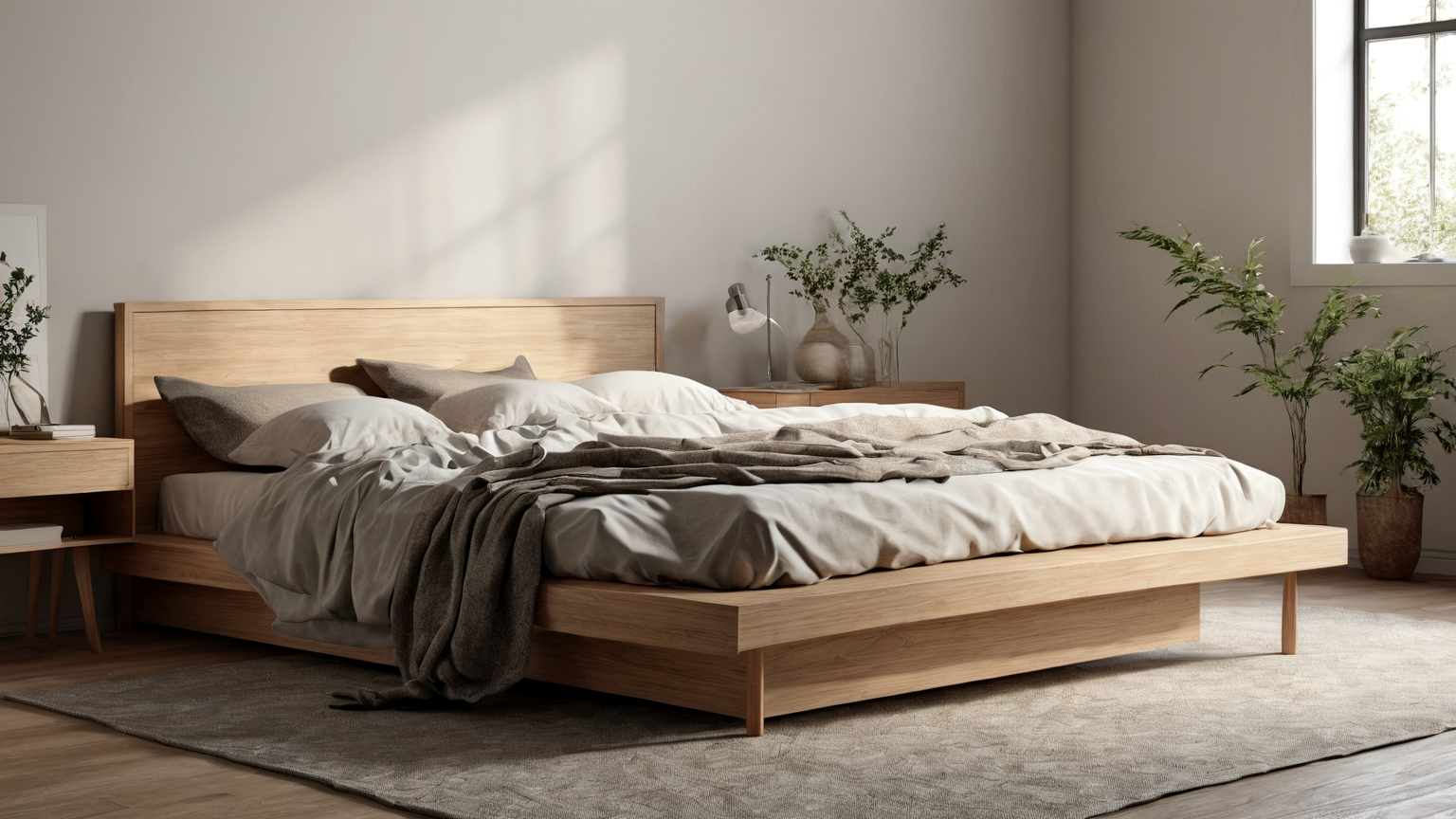
Simplify bedding and floor clutter
Heavy textiles hold heat and make cleaning harder. Use breathable layers, store winter bedding outside the sleep zone, and keep the floor clear enough for nighttime movement. Under-bed storage should not block airflow so completely that dust and dampness collect unnoticed.
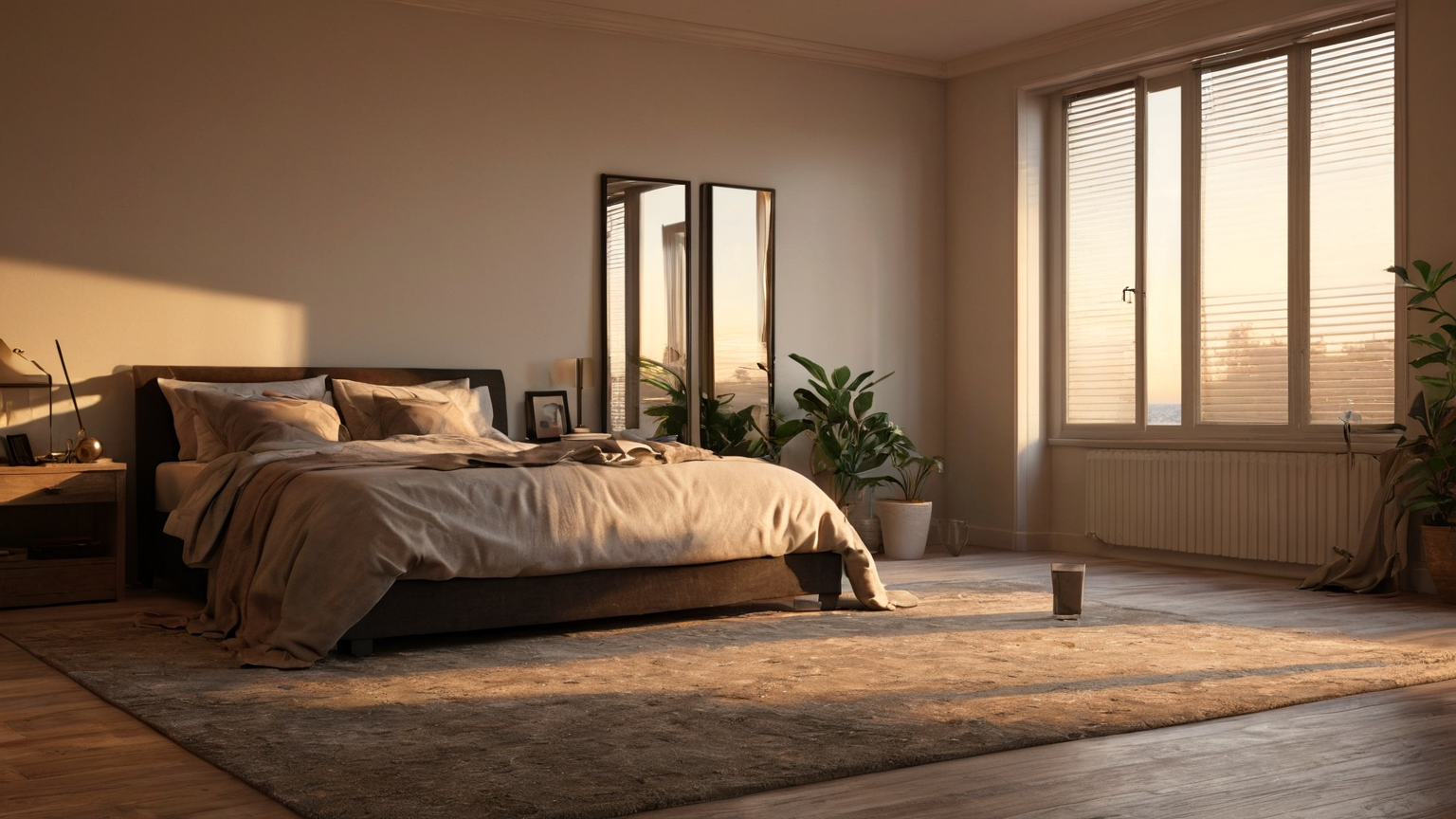
Create an evening reset
Close or open shades based on sun and outdoor temperature, move the fan to the safer nighttime position, remove laundry from the sleep zone, and put water where it will not spill into electronics. A five-minute reset is more reliable than a complex routine nobody follows after a long hot day.
Practical checklist before you call it done
- No curtain, shade, or fan blocks the only safe exit path, window access, smoke alarm, vent, or door swing.
- Cords stay visible, unpinched, and away from bedding, rugs, wet areas, and walking paths.
- The plan starts with reversible steps: curtain timing, fan direction, bedding changes, and daytime solar control before permanent changes.
- The bedroom has a heat-escalation plan: water, cooler room, public cooling space, neighbor check-in, and when to seek help.
- Current heat and renter-safety sources were checked in May 2026; lease rules, local code, and product manuals override general advice.
FAQ
Is this a buying guide?
No. It is a planning guide. Products can help only after the failure mode is clear.
What should I update later?
Recheck official guidance, manuals, lease rules, course policies, and local safety instructions whenever the situation changes.
What is the safest default?
Use reversible changes, document what you did, and escalate safety, building, health, or academic-integrity questions to the responsible professional.