A small kitchen can look organized and still make the refrigerator work harder than it should. Summer heat, crowded side gaps, blocked vents, cords near water, and hot cooking routines all affect comfort and food safety. This June 2026 renter-friendly guide treats the refrigerator as part of the room layout, not just an appliance to decorate around.
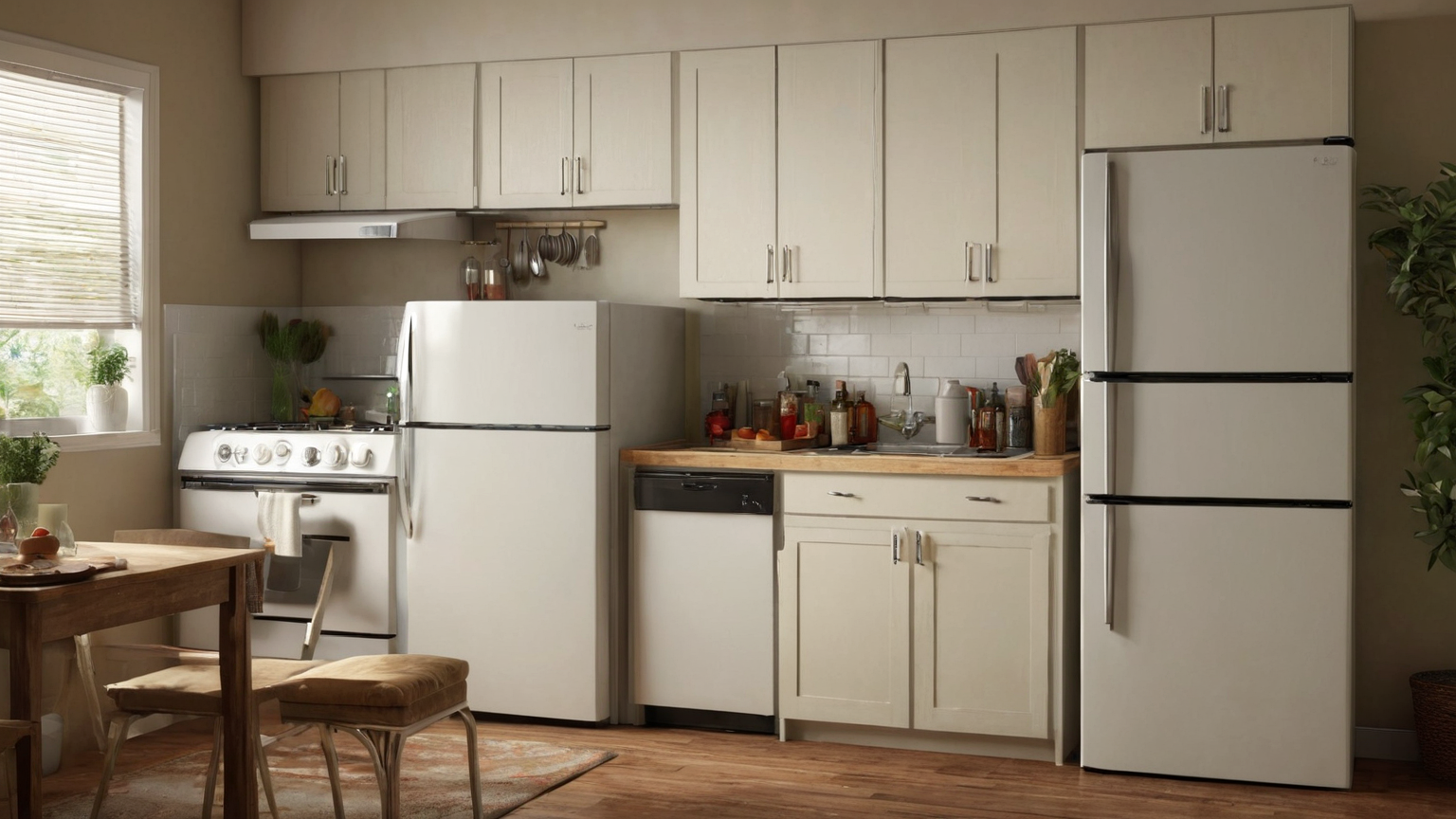
Small-kitchen decision table
| Layout pressure | Better choice | Mistake to avoid |
|---|---|---|
| Tight fridge niche | Keep manufacturer-style clearance where possible | Packing storage tightly around warm sides |
| Hot cooking zone | Separate heat sources and airflow paths | Parking a cart against vents after cooking |
| Cord route | Keep cords dry, visible, and out of walkways | Running cords under rugs or near sink splashes |
| Food safety | Use an appliance thermometer | Guessing because the kitchen feels cool |
| Lease limits | Document heat or outlet problems | Improvising electrical fixes |
Start with heat, not style
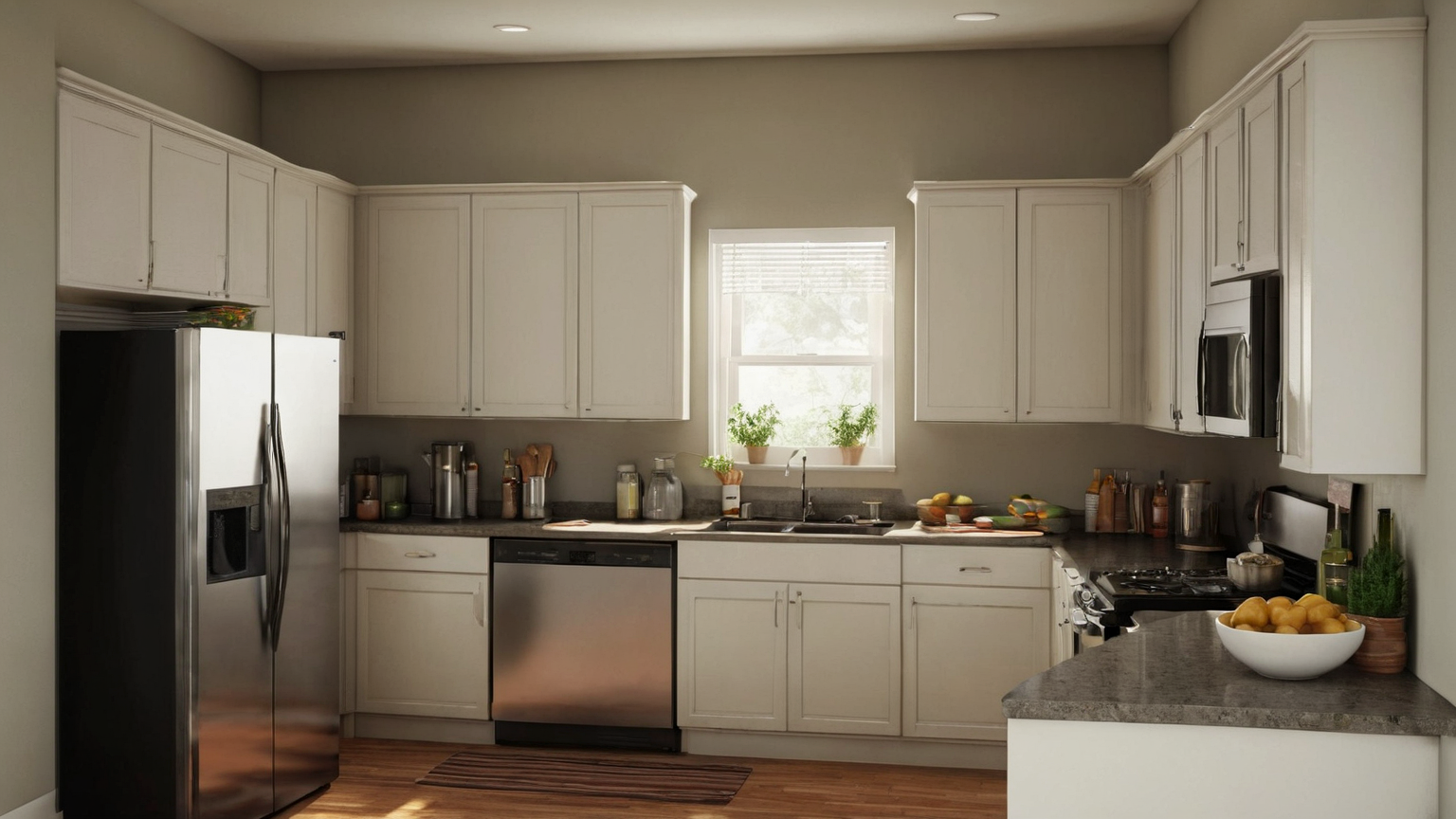
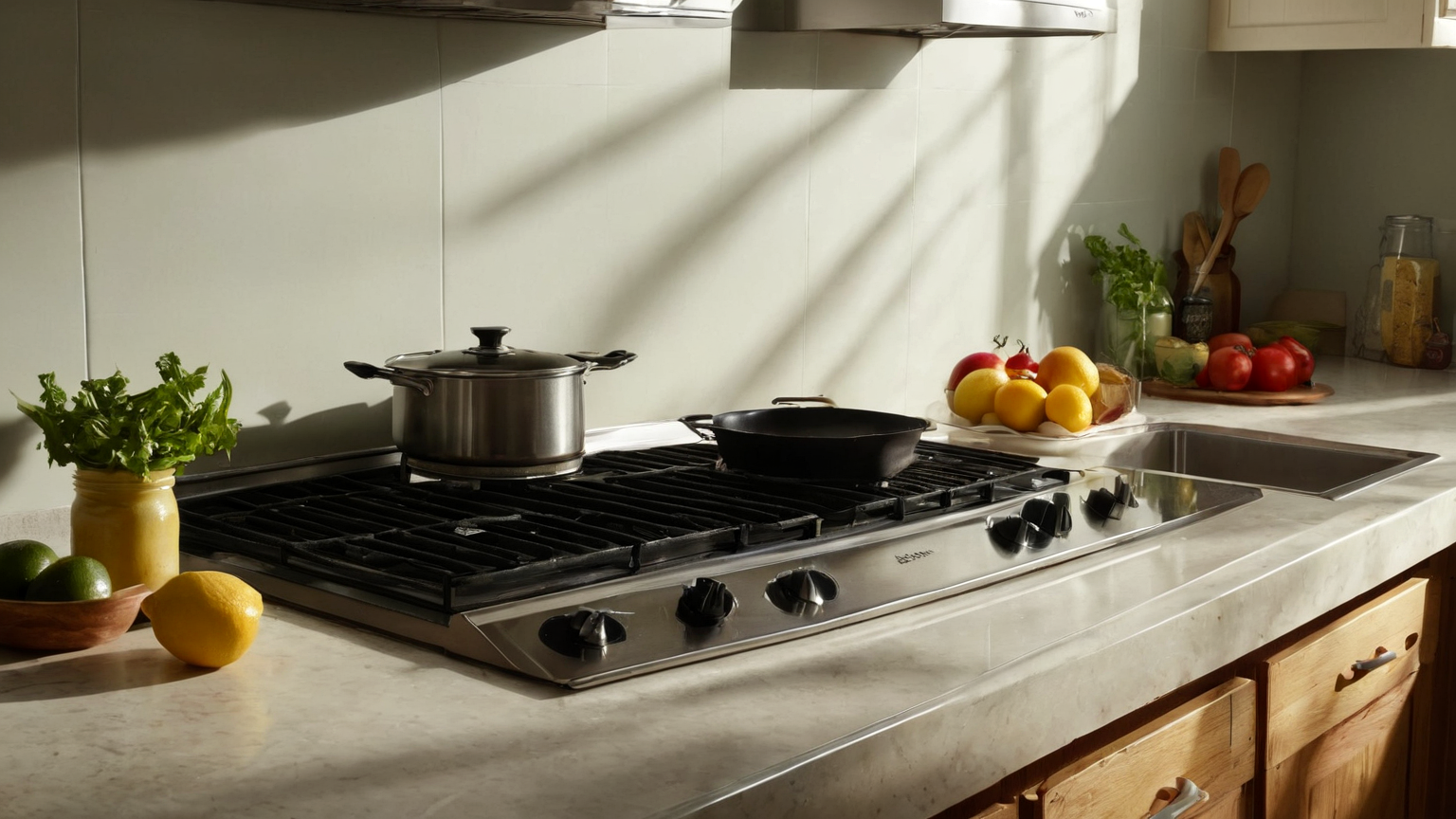
In a compact kitchen, the refrigerator may sit beside a range, sunny window, radiator, dishwasher, or stacked storage. Before buying bins or a decorative cart, feel where heat collects after cooking. If the side of the fridge, nearby wall, or stored items feel unusually warm, open space is more useful than another organizer. A beautiful layout that traps heat can shorten appliance life and make food safety harder to judge.
Keep clearance visible
Many renters cannot change the cabinet opening, but they can avoid making it worse. Do not push boxes, broom handles, trays, or rolling carts against the refrigerator sides, back, toe kick, or top vent area. Leave enough visible air path to clean dust and notice leaks. If the appliance sits in a very tight built-in opening, record temperatures and ask maintenance rather than hiding the problem.
Treat cords as layout lines
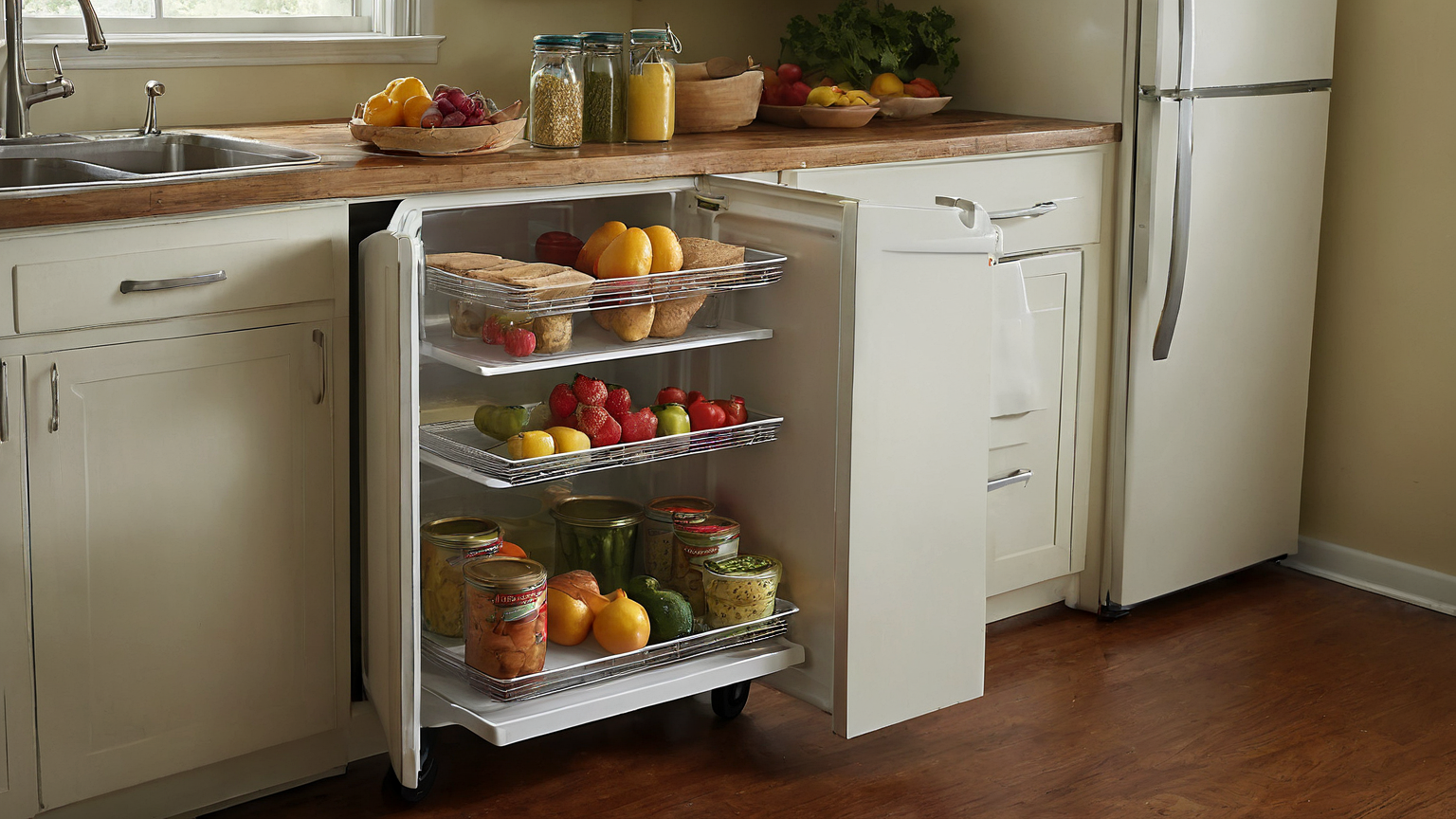
Small kitchens tempt people to add countertop appliances wherever they fit. That can create cord routes near sinks, hot burners, or walkways. Do not run appliance cords under mats, through drawer gaps, behind wet dish racks, or across a path. If the safe outlet is not where the layout wants it, change the layout. Electrical safety should not be sacrificed for a coffee-station photo.
Plan summer cooking around recovery time
After boiling water, baking, or cooking several dishes, the room warms and the fridge may cycle longer. Keep the door closed, let hot leftovers cool safely according to food-safety guidance before refrigerating, and avoid blocking airflow with temporary trays. A fan can help room comfort, but it should not blow near flames, create a trip hazard, or push papers and curtains toward heat.
Make a food zone, not a storage wall
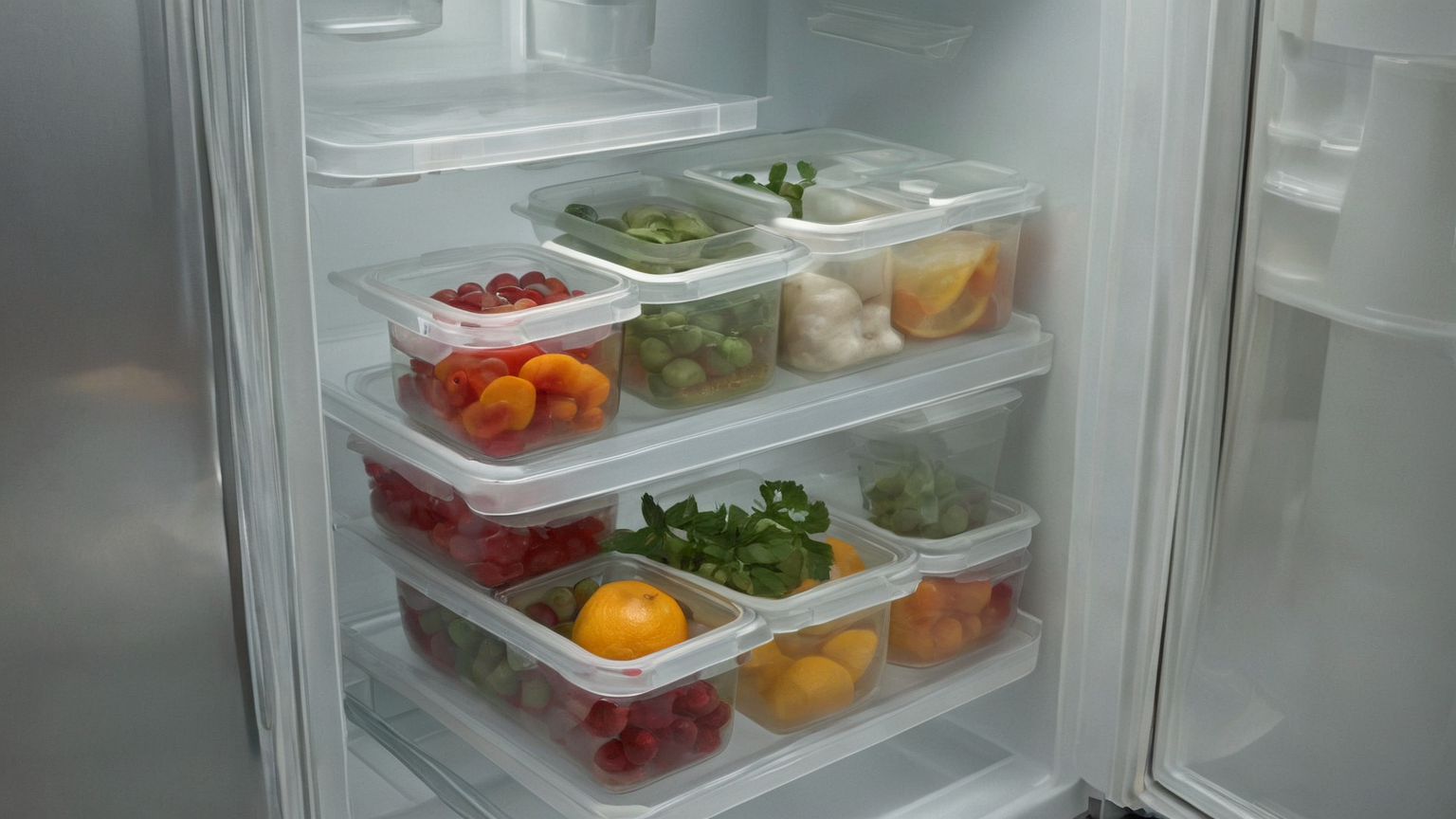
The top of a refrigerator often becomes overflow storage. Heavy, dusty, or heat-sensitive items do not belong there if they block ventilation, fall, or hide signs of moisture. Use one lightweight basket only if it does not cover vents or make cleaning impossible. Keep thermometers, cooler packs, and high-risk food storage decisions practical rather than decorative.
Renter documentation that helps
If the fridge struggles, take calm notes: room temperature pattern, appliance thermometer readings, door-seal concerns, outlet issues, and photos of the clearance. This evidence is more useful than a complaint that the kitchen “feels hot.” Share maintenance concerns early, especially if food spoils, breakers trip, water appears, or the appliance runs continuously.
Five-step layout reset
- Remove storage from vents, sides, and warm gaps.
- Check cord routes for water, heat, pinch points, and trips.
- Place an appliance thermometer and record normal readings.
- Separate hot cooking routines from fridge-door traffic.
- Document persistent problems for maintenance.
Summary
A heat-safe small kitchen is not about buying more organizers. It is about air clearance, dry cords, visible maintenance evidence, and food-safety habits that still work when the apartment is hot.