A window air conditioner can make a rental livable during extreme heat, but the layout around it matters. The risky part is often not the cold air; it is the cord crossing a path, blocked airflow, condensation at the sill, heavy furniture pushed into an exit route, or a lease rule discovered after installation. This guide turns the unit into a renter-safe room plan instead of a last-minute summer scramble.
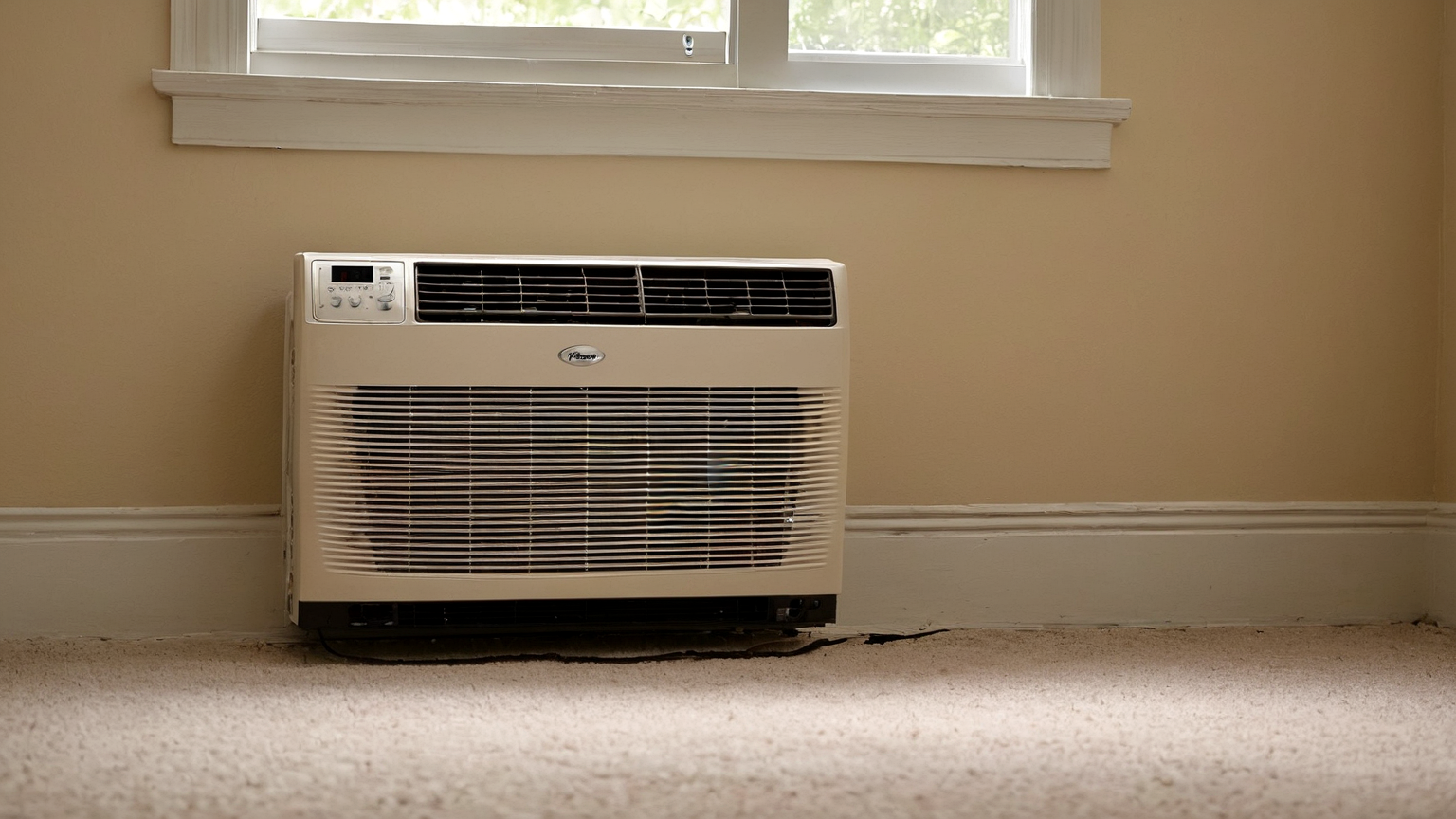
The decision table
| Window AC check | Good sign | Pause and fix |
|---|---|---|
| Lease and window rules | The lease, building handbook, or manager allows the unit type and support method | You are guessing from a neighbor’s setup or planning to drill/brace without approval |
| Cord path | The plug reaches a suitable outlet without an extension cord, rug cover, pinch point, or walkway trip hazard | The cord crosses traffic, gets warm, or depends on a power strip |
| Drip and tilt | Condensate drains outdoors without staining walls, dripping on neighbors, or pooling inside the sill | Water marks, swollen trim, towels under the unit, or an inward tilt appear |
| Clearance and airflow | Curtains, furniture, and bedding stay away from intake/exhaust zones | Cold air is blocked, the unit short-cycles, or fabric can touch the appliance |
Step 1: Confirm the allowed installation before lifting the unit
Start with the lease, building rules, and manufacturer instructions. Renters should know whether brackets, side panels, exterior supports, or seasonal removal are required before the unit is installed. Photograph the empty window and sill condition for your own records, then ask the landlord or property manager when the rule is unclear. This prevents damage disputes and avoids unsafe improvisation after the unit is already heavy and half-mounted.
Step 2: Remove the obvious cord and water hazards
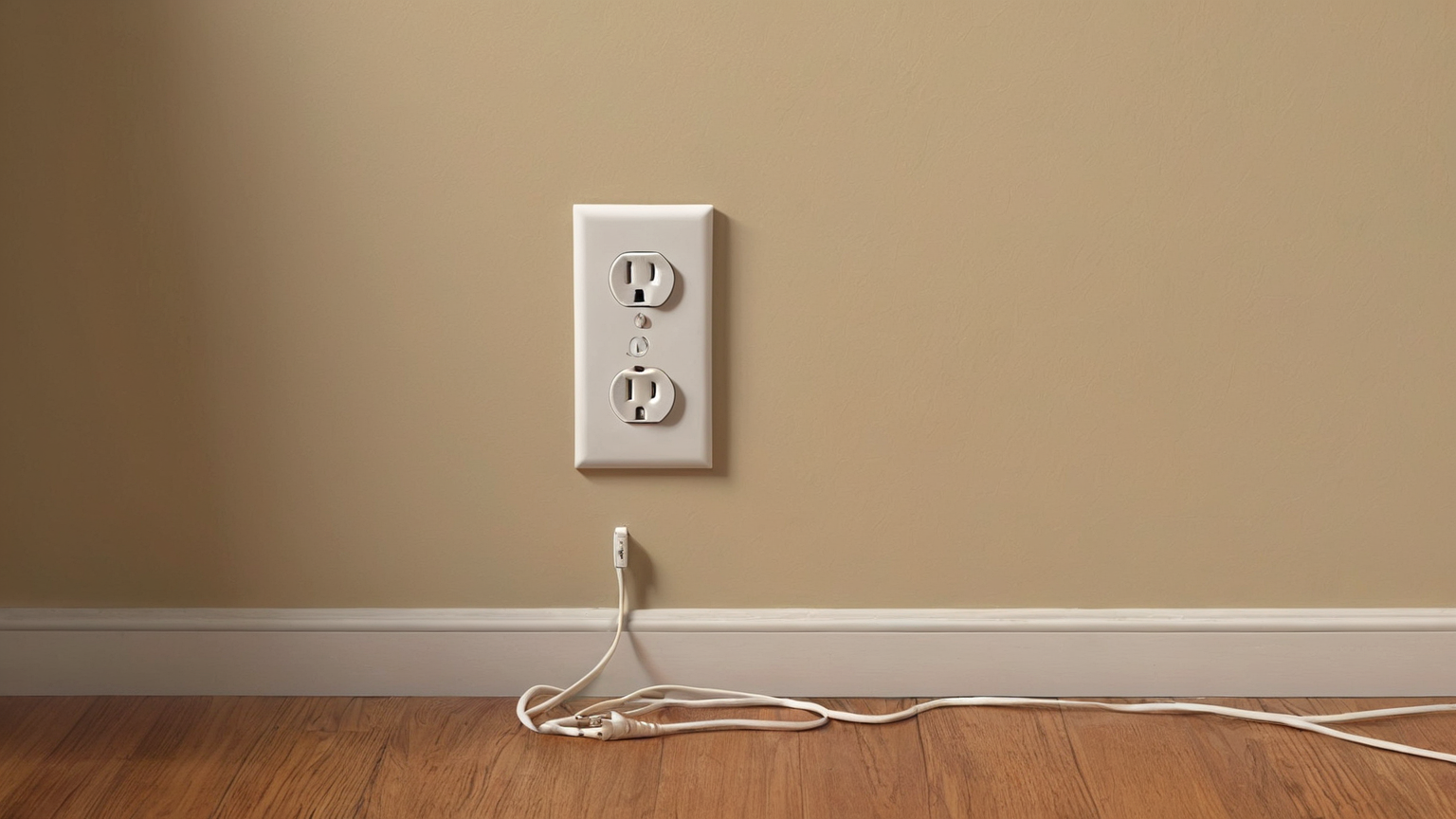
Do not hide the cord under a rug, run it through a pinch point, or stretch it across a path where someone may trip. Keep the plug visible enough to inspect and stop using the setup if the cord, plug, or outlet feels warm. Check the sill after the first humid day: water should move away from the room and not drip where it can damage the building or disturb neighbors.
Step 3: Build a move-out-friendly cooling routine
A safe renter setup is not only about the first install. Keep a monthly reminder for filter cleaning, side-panel gaps, furniture clearance, and water marks. After storms or heat waves, re-check the tilt and support rather than assuming the unit stayed exactly where it began. Keep the layout easy to reverse so the room can return to its original condition at move-out.

Practical checklist
- Read the lease/building AC rule and the manufacturer installation page before installing.
- Use the correct outlet without extension cords or overloaded power strips.
- Keep the cord visible, unpinched, and out of walkways.
- Confirm the unit drains outdoors without staining trim, walls, or neighbor areas.
- Maintain intake/exhaust clearance from curtains, bedding, shelves, and plants.
- Clean the filter on a recurring schedule and note any unusual noise, heat, or odor.
- Ask the landlord, property manager, electrician, or appliance professional before drilling, rewiring, bracing, or continuing after water/electrical warning signs.

Common mistakes
The biggest mistake is treating a window AC like normal furniture. It is a heavy appliance that creates electrical load, condensation, exterior drip, and lease obligations. Another mistake is solving one problem by creating another: covering a cord to make the room prettier, blocking airflow with curtains, or using towels to hide repeated leaks instead of fixing drainage.
Reader FAQ
Can I use an extension cord for a better layout? Avoid that shortcut unless the manufacturer and a qualified electrical authority specifically allow the setup. For most renters, moving furniture or choosing a different approved unit is safer than stretching power.
How often should I check for water problems? Check after the first long cooling session, after heavy humidity, and after storms. New stains, soft trim, indoor pooling, or neighbor complaints mean the setup needs attention.
Who should approve a bracket or support change? The landlord/property manager and the manufacturer instructions are the first checks; use a qualified installer or electrician when support, wiring, or exterior safety is uncertain.
One-week review
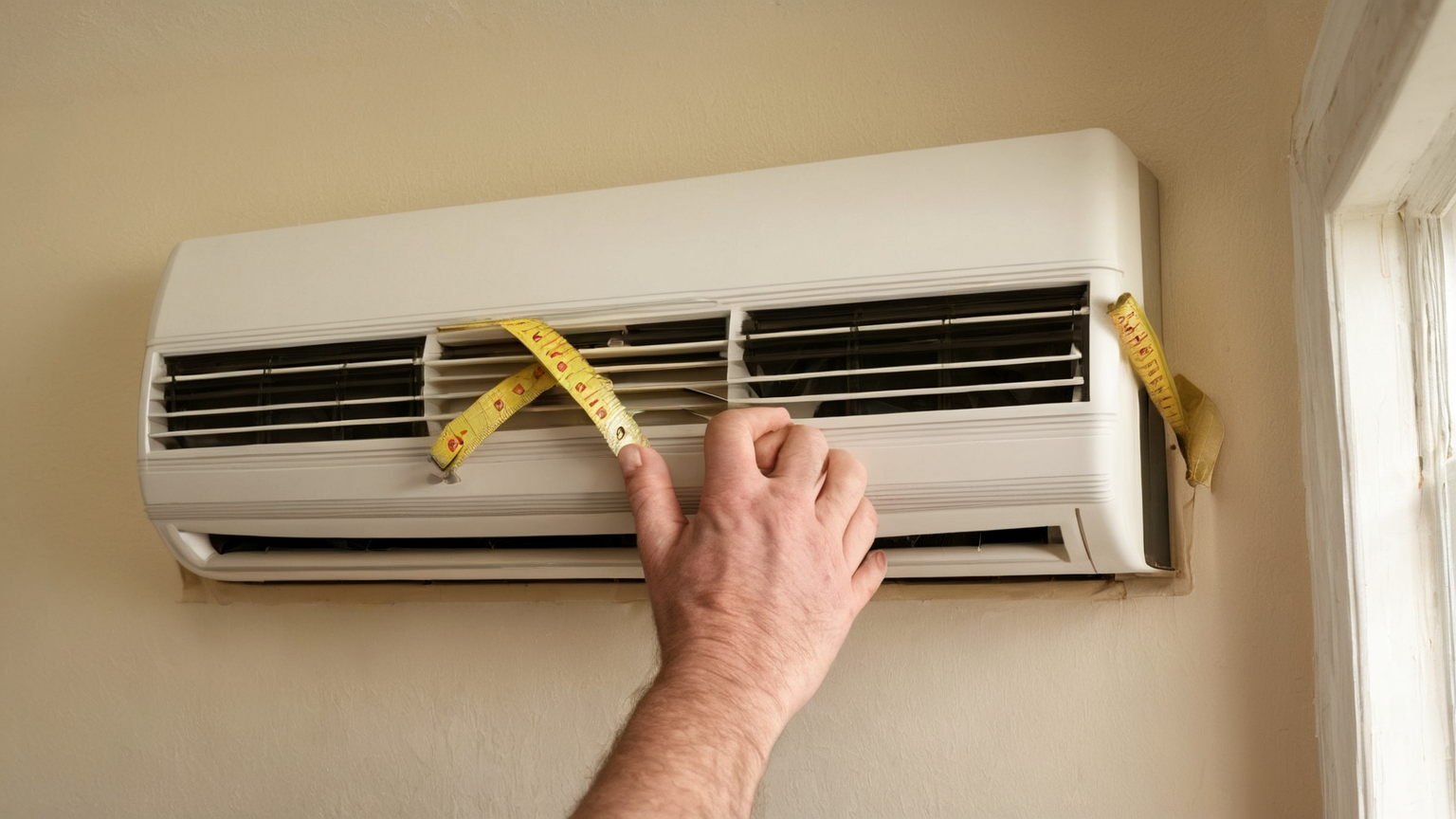
After a week, inspect the outlet, cord path, sill, side panels, and airflow. A good layout should cool the room without warm plugs, water marks, blocked curtains, or a trip hazard. Keep dated photos of the safe setup and any landlord approval so the routine protects both comfort and the security deposit.
Summary
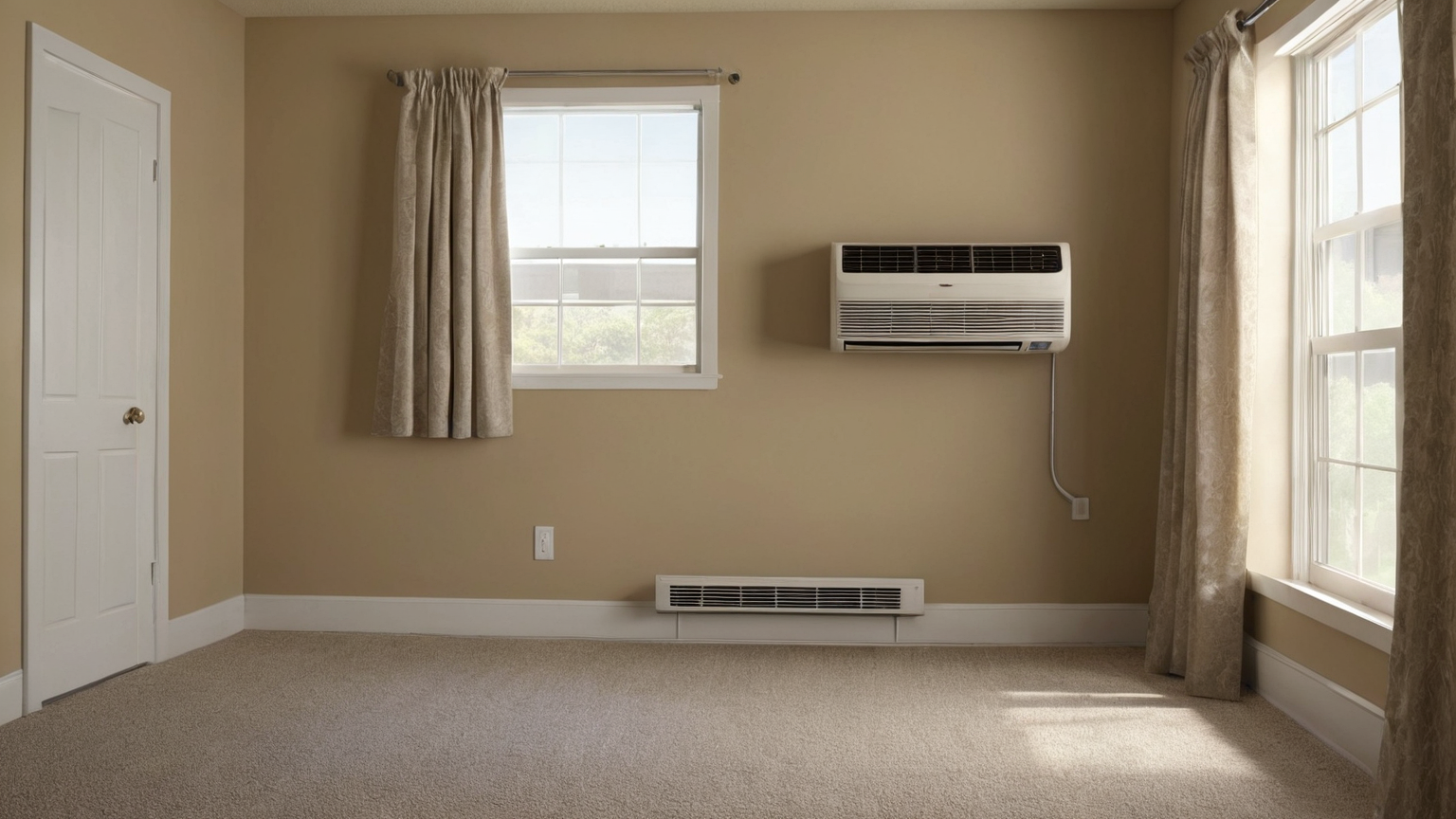
A renter-safe window AC layout starts with permission, then verifies cord, drip, and clearance risks before daily use. Keep the setup reversible, documented, and easy to inspect. That gives readers a practical safety process without implying that a decor article can certify appliance installation or override building rules.