Indoor air quality is easy to misunderstand in a small apartment. A candle, a humidifier, a wet bath mat, a dusty return grille, and a chair blocking a portable air cleaner can all affect how the space feels. Renters also have a harder constraint than owners: most cannot alter ductwork, cut vents, replace a range hood, or open walls. The useful approach is therefore not a renovation fantasy. It is a room-by-room setup that improves source control, ventilation, filtration, humidity, and daily habits without damaging the apartment.
This 2026 guide is based on current public guidance from the EPA, CDC, ENERGY STAR, ASHRAE, CPSC, and related safety sources checked during publication. It is not a medical diagnosis plan, and it cannot verify the condition of your building. It is a practical interior setup: where to put furniture, where not to trap moisture, how to choose an air-cleaning zone, and when a renter should stop troubleshooting and ask the landlord or a qualified professional.
The renter-safe IAQ hierarchy
Start with the order that works in real apartments. Buying a device before fixing obvious sources often disappoints people because the device has to fight avoidable pollution, dampness, dust, or odors every day.
| Step | Renter-friendly action | Why it matters | Avoid this shortcut |
|---|---|---|---|
| Source control | Remove or reduce pollutant sources, damp items, smoke, strong fragrances, and dusty clutter | EPA guidance consistently puts source control near the top of indoor-air improvement | Masking odors with candles, sprays, or plug-ins |
| Ventilation | Use windows, exhaust fans, and cross-breezes when outdoor conditions are suitable | Dilutes indoor pollutants and moisture | Opening windows during heavy smoke, high outdoor pollution, or security risks |
| Filtration | Use a correctly sized portable room air cleaner or building-compatible HVAC filter | Captures particles when air actually passes through the filter | Hiding the purifier behind furniture or choosing by looks only |
| Moisture control | Keep damp zones dry, breathable, and easy to inspect | Mold needs moisture; closets and bathrooms fail when air is trapped | Sealing damp shoes or towels in closed cabinets |
| Maintenance | Clean filters, trays, mats, and dust traps on a schedule | A good layout fails if filters and wet textiles are neglected | Treating an air purifier as a one-time purchase |
For renters, the key word is reversible. A good indoor-air setup should be removable at move-out, should not block exits or windows, and should not hide leaks or mold behind decorative panels.
Map the apartment before buying anything
Walk the apartment and mark five zones: sleeping, working, cooking, bathing, and storage. Then note where air can enter, where it can leave, and where moisture tends to sit. In a studio, those zones may overlap, but the exercise still helps. A purifier near the bed might do more for nightly exposure than a larger unit hidden in a hallway. A dehumidifier in a bedroom closet may matter more than another basket in the living room. A shoe rack that breathes can be more useful than a beautiful closed cabinet that traps wet footwear.
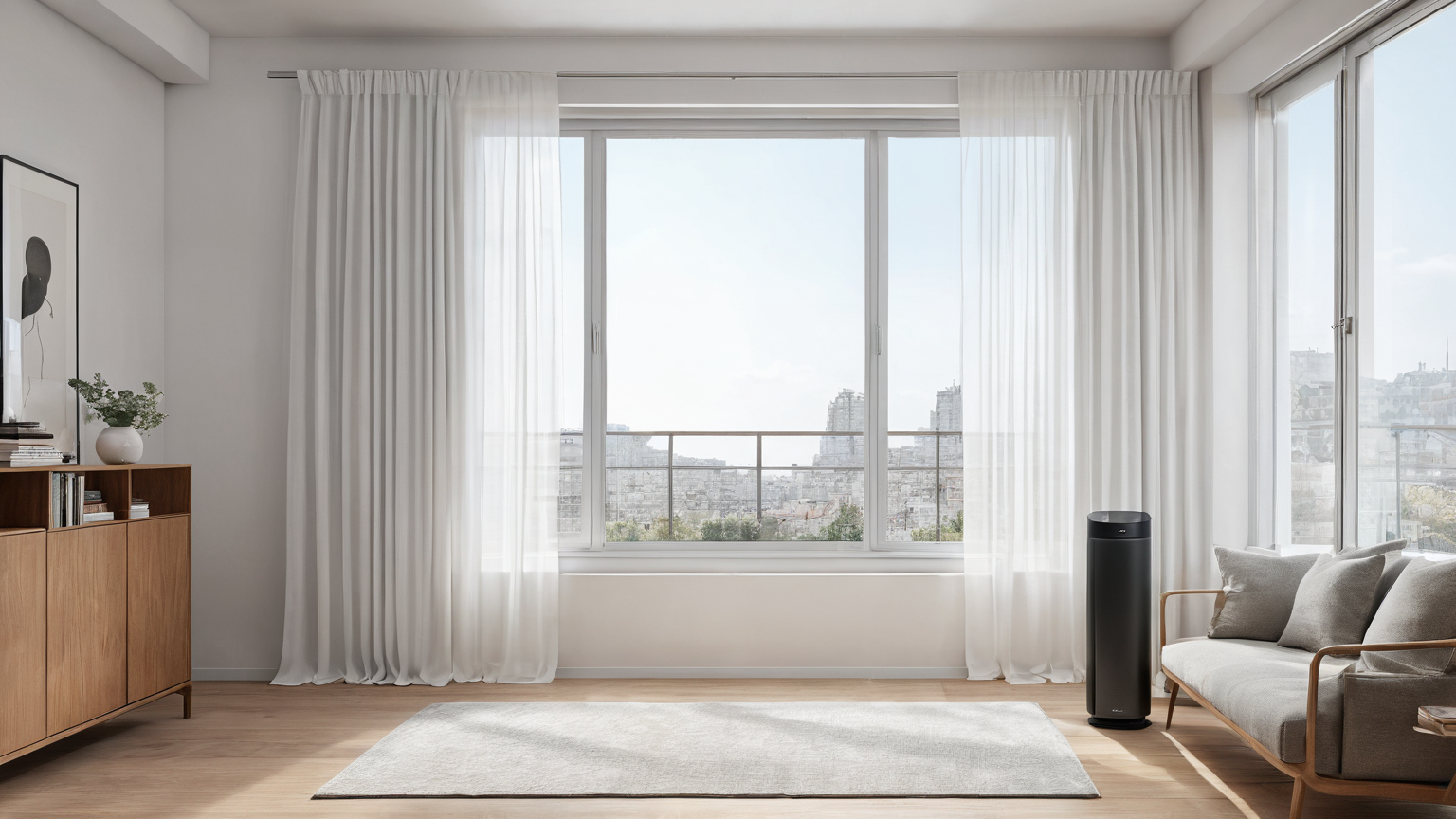
Use this simple walk-through:
- Door and window check: note which windows can open safely, which have screens, and whether furniture blocks them.
- Exhaust check: test bathroom and kitchen exhaust fans with a small tissue held near the grille. If there is no pull, document it and ask maintenance.
- Moisture check: look behind beds, inside closets, under sinks, around window frames, and near exterior walls.
- Dust check: look at return grilles, fan blades, rug edges, and cluttered shelves.
- Combustion check: if the apartment has gas appliances, a fireplace, attached garage exposure, or a fuel-burning heater, treat carbon monoxide alarms and professional maintenance as non-negotiable safety items.
Do not remove building components, tape over vents, or improvise with extension cords in damp zones. The goal is to improve the interior without making a lease, electrical, or safety problem.
Put the air cleaner where people actually breathe
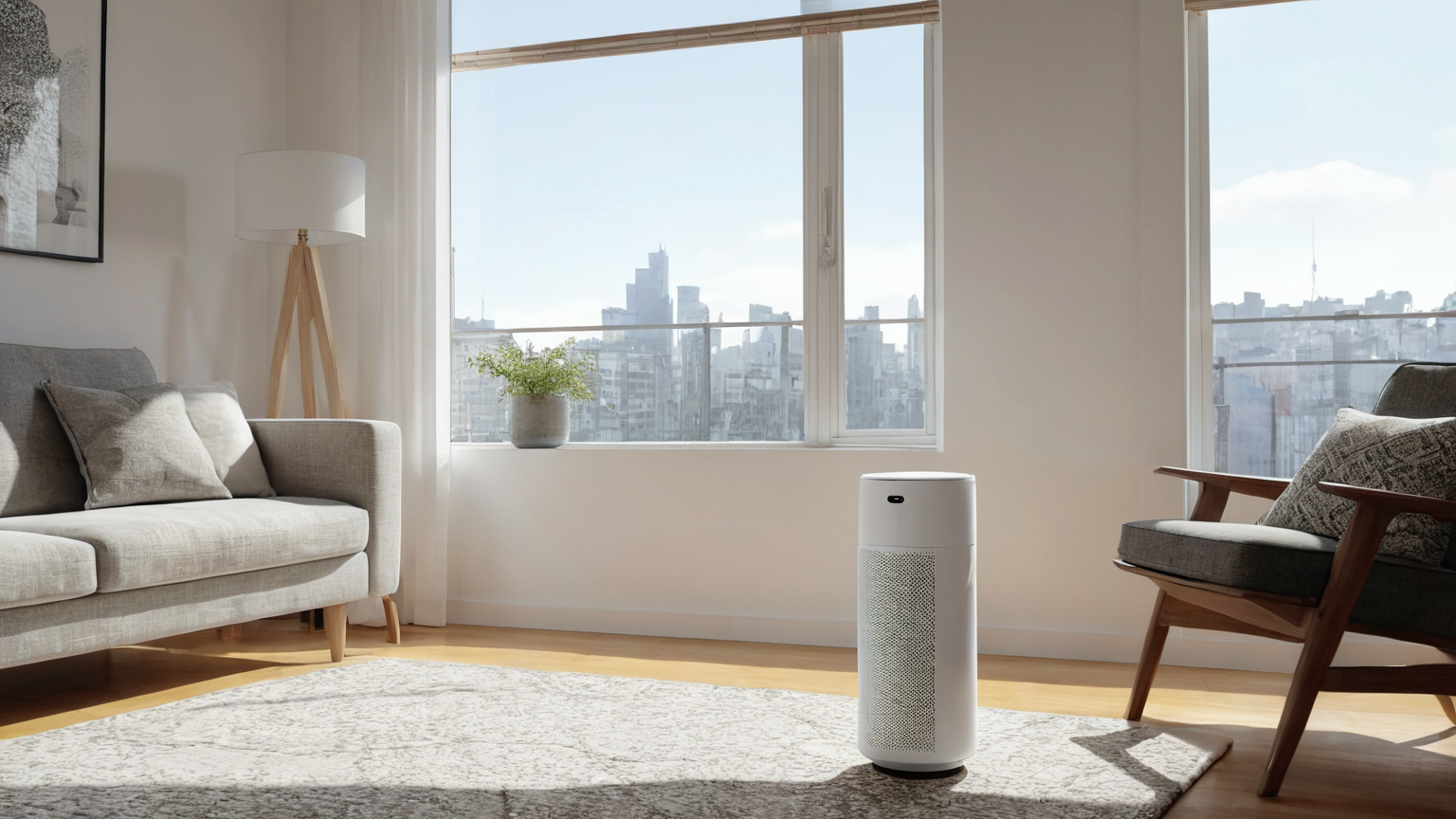
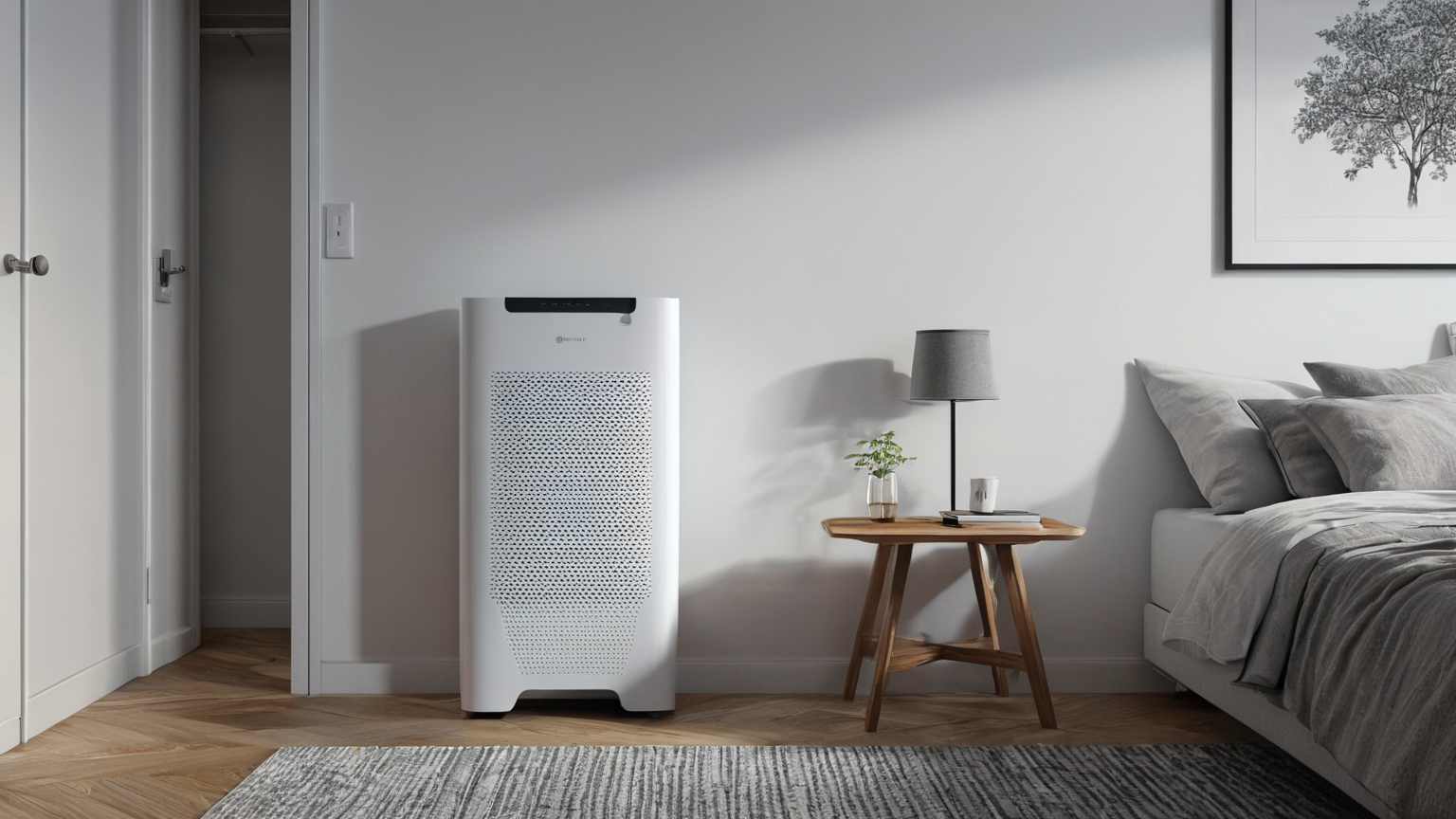
A portable air cleaner only helps the air that passes through it. That means placement matters as much as the purchase. Put the unit in the room where you sleep, work, or spend the most time. Leave space around the intake and outlet. Keep it away from curtains that can be pulled into the grille, avoid tight corners, and do not use it as a plant stand or side table.
ENERGY STAR’s certified room-air-cleaner directory is useful because it focuses attention on room sizing and efficiency rather than vague marketing claims. EPA guidance also cautions that filtration is one tool among several, not a substitute for removing sources or ventilating when appropriate. If smoke, wildfire events, renovation dust, or allergies are a major concern, choose a unit sized for the actual room and run it long enough to move air repeatedly through the filter.
A small-space placement checklist:
- Keep at least a modest open gap around the unit so air is not immediately blocked by a sofa, bed skirt, curtain, or pile of bags.
- Put the unit in the breathing zone when possible: bedroom at night, office zone during work, living area during evening use.
- Choose a steady speed you can tolerate. A purifier that is always off because it is too loud is just furniture.
- Replace or clean filters on the manufacturer schedule, and write the date on a calendar or home-maintenance note.
- Avoid ozone-generating devices marketed as air cleaners. Focus on mechanical filtration and reputable guidance.
Kitchen source control beats perfume
Cooking is one of the most important indoor-air moments in a small apartment because the kitchen is often open to the living and sleeping areas. The best renter-friendly setup is not complicated: use the range hood or exhaust fan if it works, open a window when outdoor conditions allow, keep pans from smoking, cover splattering food, and clean grease films before they become odor reservoirs.
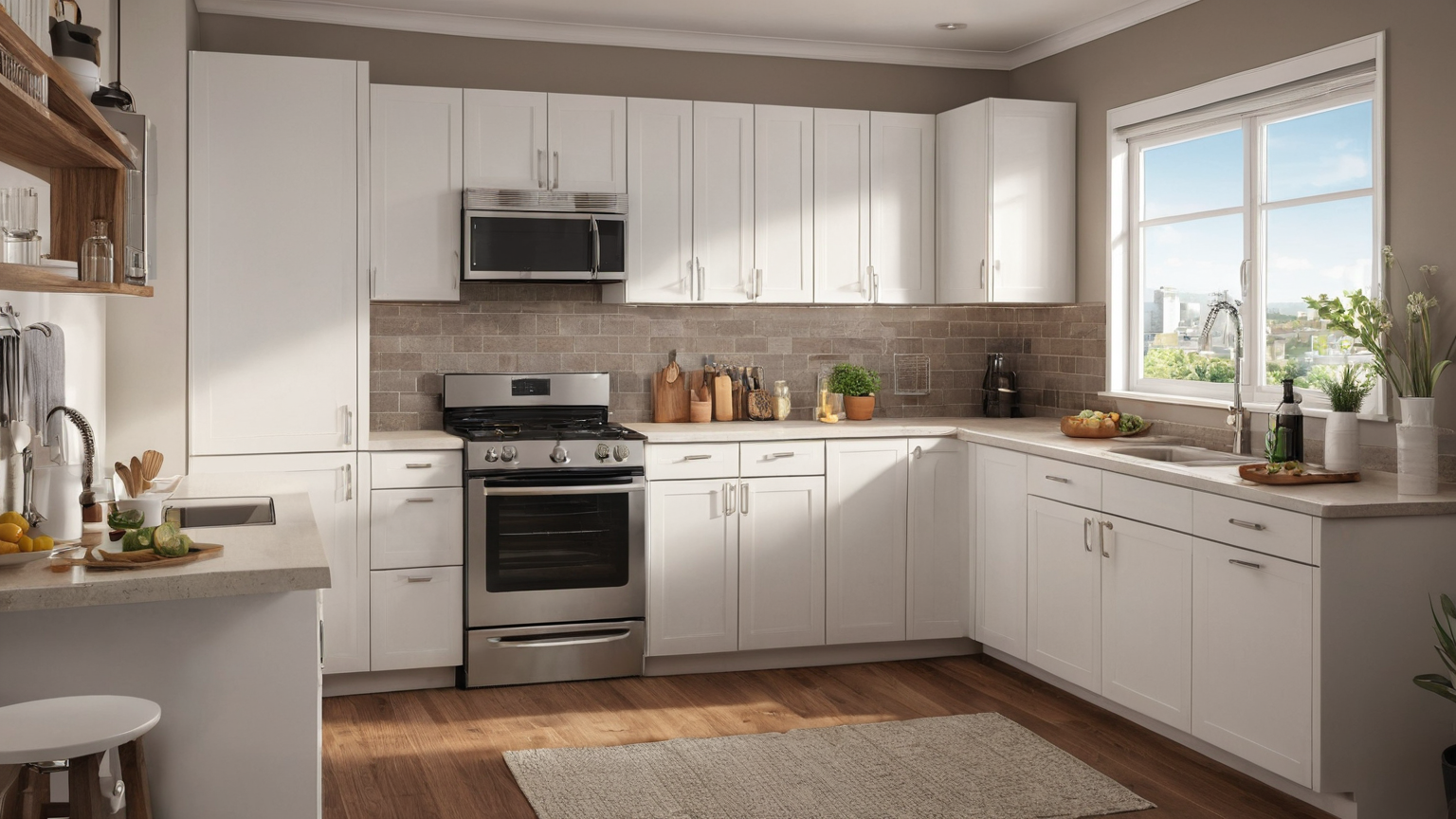
If your kitchen exhaust is weak or recirculating, document what you have instead of assuming it is effective. A recirculating hood can catch some grease with a clean filter, but it does not send pollutants outdoors. In that case, window ventilation and source control become more important. Place a fan so it supports airflow without blowing directly across a gas flame, hot oil, or loose papers. Never use an oven or stove as a heater.
| Kitchen issue | Better renter move | Why it works |
|---|---|---|
| Greasy odor after cooking | Clean backsplash, hood filter, and nearby textiles | Odor often lives on surfaces, not just in the air |
| Smoke from high-heat cooking | Lower heat, use lids or splatter screens, ventilate early | Preventing smoke is easier than filtering it later |
| Trash odors | Covered bin, smaller bags, frequent removal | Reduces source intensity in a compact floor plan |
| Recirculating hood | Keep filter clean and pair with safe window ventilation | Recirculation is not the same as exhaust outdoors |
| Open-plan kitchen | Run the air cleaner in the adjacent living zone after cooking | Helps particles that drift into the main room |
Control humidity without creating a hidden damp closet
EPA and CDC mold guidance both point back to moisture. In interior-design terms, that means the prettiest storage idea can be a bad idea if it traps damp towels, shoes, laundry, or condensation against a cool wall. Small apartments often fail at the edges: exterior-wall closets, under-bed storage, bathroom corners, and window sills.
Aim for breathable storage. Keep a small gap behind wardrobes and bookcases on exterior walls. Do not push a mattress directly against a cold wall if you can avoid it. Let bath mats dry fully. Store wet shoes on an open tray before putting them away. If you use a dehumidifier, place it on a stable surface or tray, route cords safely, and empty it before the tank overflows.
A renter should escalate if there is visible mold growth, recurring dampness, musty odor that returns after cleaning, water intrusion, or symptoms that seem linked to the apartment. Do not paint over mold, hide it with peel-and-stick material, or build storage that prevents inspection.
Set up the work zone for clean airflow
Home offices are now a permanent part of many small apartments. A desk can unintentionally block a window, radiator, return grille, or air-cleaner intake. Keep the desk functional but breathable: leave the window reachable, place the purifier where it has clear intake space, and manage cables so cleaning is easy. Dust builds quickly behind monitors and under power strips, so a setup that looks minimal but cannot be vacuumed is not actually low-maintenance.
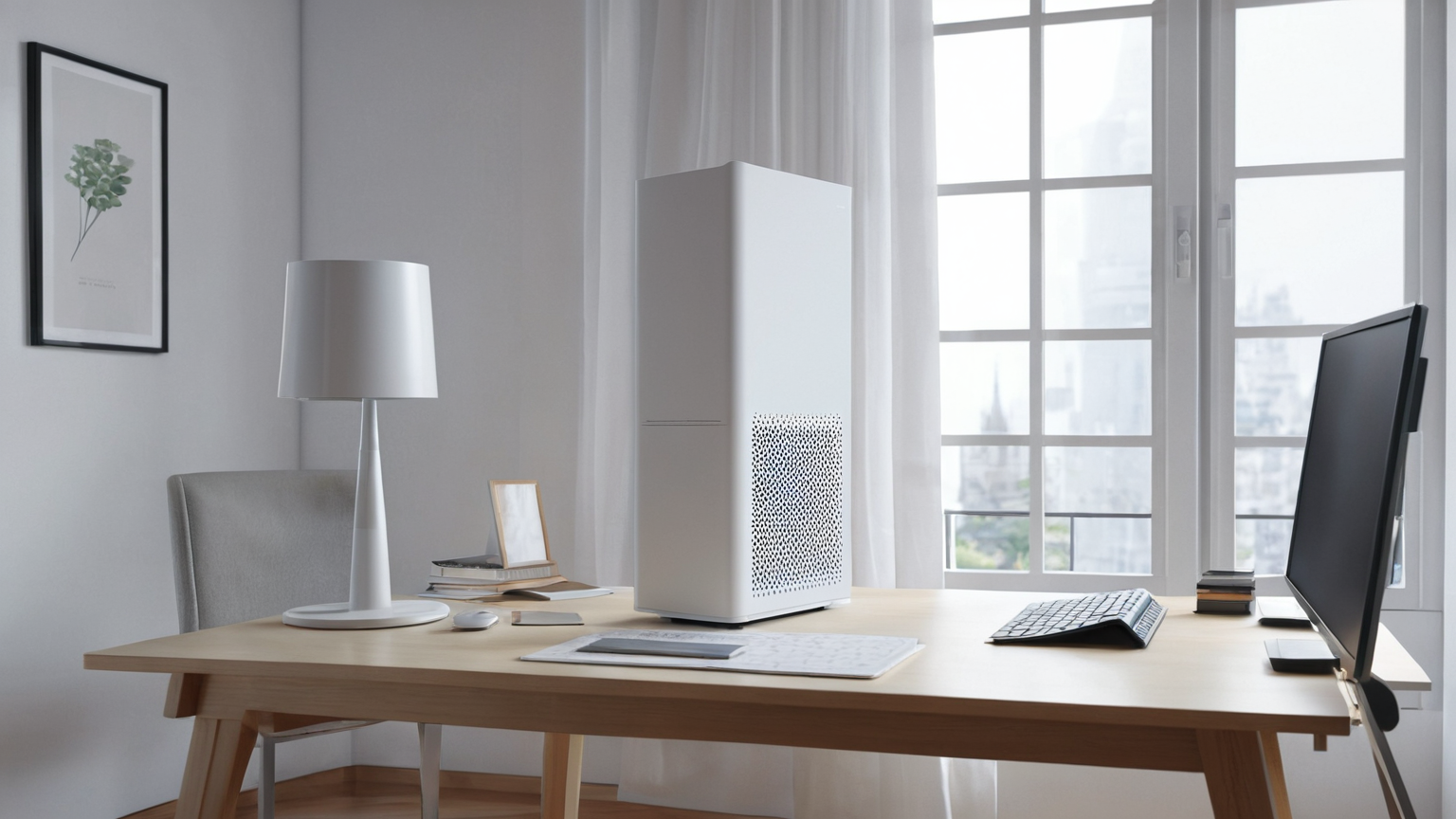
For a studio, think in time blocks. The same purifier can run near the desk during work and closer to the bed before sleep if it is portable and safe to move. Do not move it while plugged in across a walking path, and do not use long extension cords as a permanent solution. If the unit must stay in one place, choose the zone that matters most for exposure time.
Entryways, closets, and shoes are part of indoor air
Indoor air quality is not only about the living room. Entryways collect outdoor dust, wet shoes, umbrellas, pet gear, and bags. Closed shoe cabinets can look tidy while holding moisture and odor. Use a washable mat, open shoe storage, an umbrella stand that dries, and a clear path so items do not pile against doors or vents.
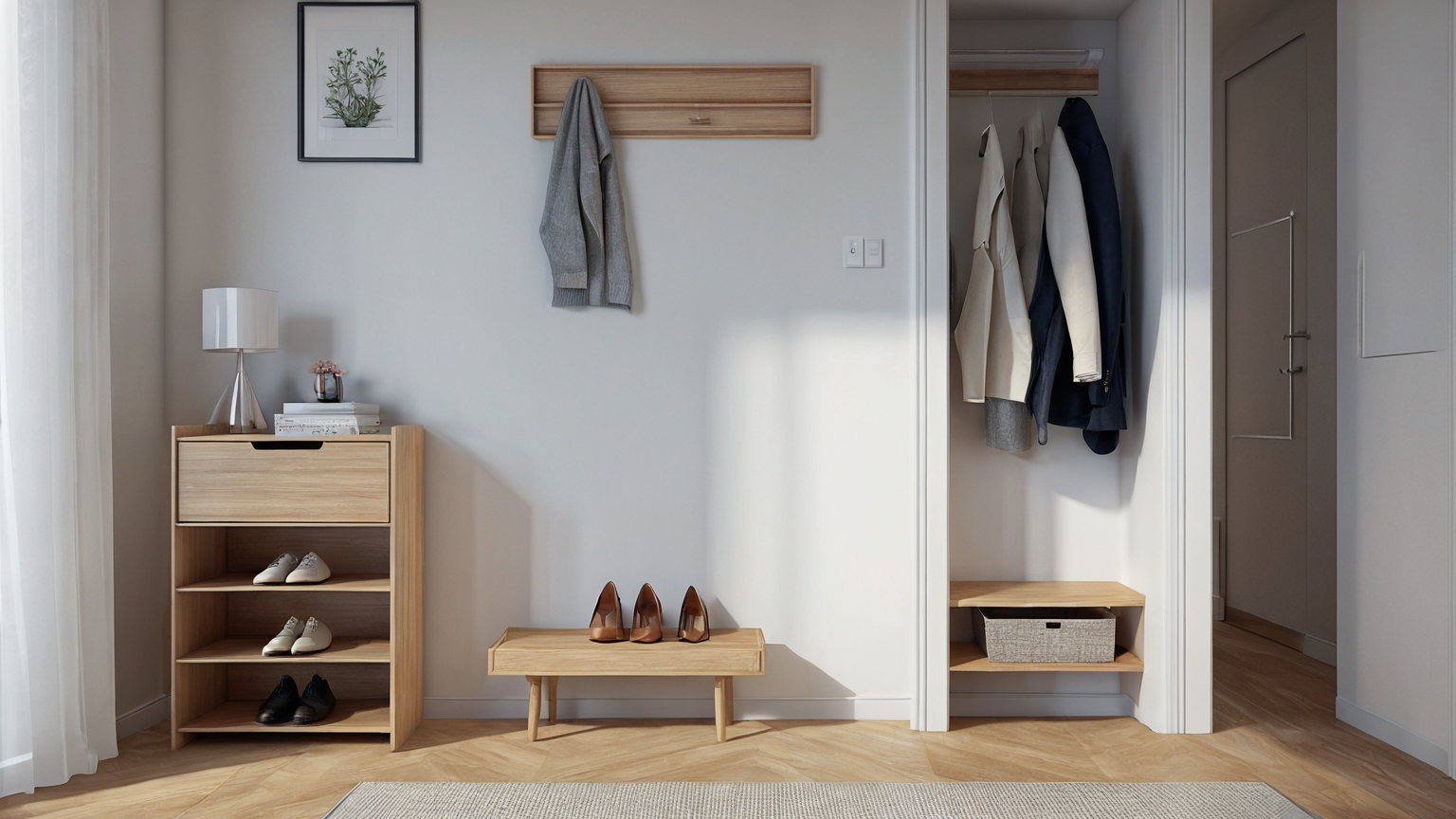
Closets need the same logic. Avoid overstuffing. Keep damp items out. If a closet sits on an exterior wall, leave a gap and check it during humid or cold seasons. If the apartment has persistent condensation, ask maintenance rather than solving it with more bins.
A seven-day reset plan
You do not need to perfect the whole apartment in one weekend. Use a one-week reset that starts with observation and ends with a layout you can maintain.
| Day | Task | Done when |
|---|---|---|
| 1 | Walk the apartment and list sources, damp zones, and blocked airflow | You know the top three problems |
| 2 | Clean obvious dust traps: fan blades, grilles, rug edges, under desk | Airflow paths are visible and reachable |
| 3 | Fix kitchen habits: hood/filter check, trash routine, window plan | Cooking odor does not linger as long |
| 4 | Reset bathroom and laundry drying | Towels and mats dry fully between uses |
| 5 | Place or relocate air cleaner | Intake and outlet have clear space |
| 6 | Check closets, shoes, under-bed bins, and exterior-wall furniture | Nothing damp is sealed away |
| 7 | Write the maintenance schedule | Filter, dehumidifier, and cleaning dates are visible |
What not to overclaim
No article or appliance can promise perfect air. Outdoor pollution, building ventilation, maintenance quality, climate, and occupant habits all matter. Plants are pleasant decor but not a replacement for ventilation and filtration. Scented products can add compounds rather than solve the source. A portable air cleaner may reduce particles in a room, but it does not fix a leak, mold reservoir, combustion problem, or broken exhaust fan.
The practical goal is a small apartment that is easier to ventilate, easier to clean, less damp, safer around appliances, and more honest about when help is needed. That is a design goal as much as a health goal: clear airflow, breathable storage, accessible windows, washable surfaces, and devices that are placed for function instead of hidden for aesthetics.
Bottom line
For renters, the best indoor-air-quality setup is reversible, visible, and maintainable. Remove avoidable sources first, use ventilation when conditions are suitable, place a correctly sized air cleaner where people spend time, keep damp areas breathable, and document building issues instead of decorating over them. In a small apartment, a few inches of clear space around a purifier, a dry closet, and an accessible window can matter more than another decorative object.