A dehumidifier can help a small apartment feel less damp, but placement matters more than buying a larger machine. In closets and bathrooms, the common mistakes are closed doors, blocked airflow, cords near water, ignored leaks, and expecting a device to solve a building problem. This June 2026 guide gives renters a reversible layout that improves moisture control without drilling, unsafe wiring, or hiding mold.
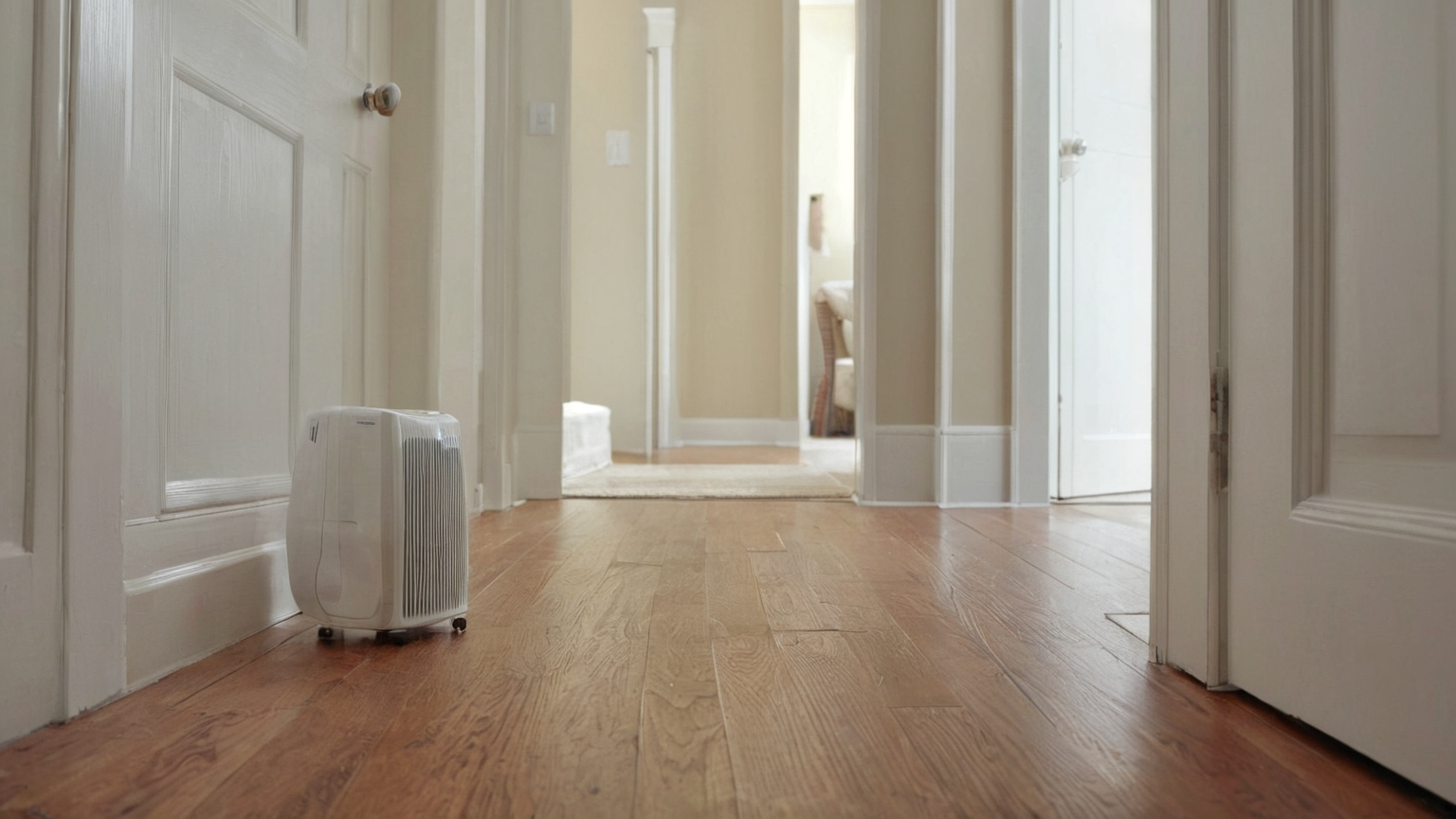
Placement decision table
| Moisture problem | Better first move | Dehumidifier role | Stop-work sign |
|---|---|---|---|
| Steamy bathroom | Run fan, open door after shower | Nearby open airflow zone | Water near cord or outlet |
| Musty closet | Space items, open door, remove damp textiles | Dry adjacent air, not sealed closet | Visible mold or wet wall |
| Window condensation | Improve airflow and reduce indoor moisture | Temporary support | Persistent leaks |
| Laundry drying | Ventilate and separate fabrics | Reduce room humidity | Overloaded circuit |
| Basement-like room | Document patterns | Measured moisture control | Sewage, flood, or structural issue |
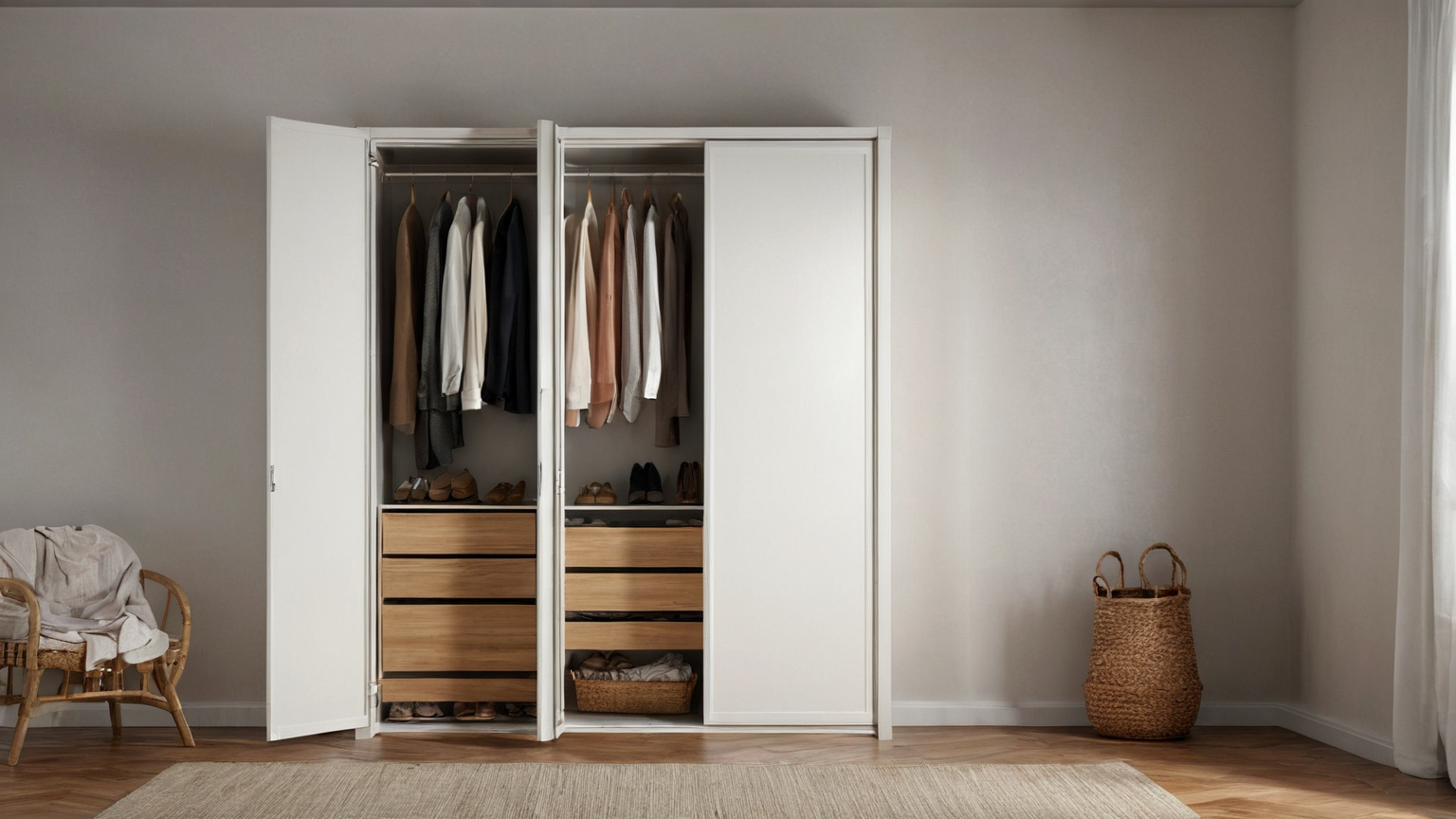
Do not trap the machine in the problem
Portable dehumidifiers need air moving through them. A closed closet full of fabric is often the worst place to put the unit. Instead, open the closet, create space between clothes and walls, remove cardboard from damp corners, and place the unit in the adjacent room or hallway where intake and exhaust are not blocked. The goal is to dry the air path, not cook a tiny closet with warm exhaust.
Bathroom layout without risky cords
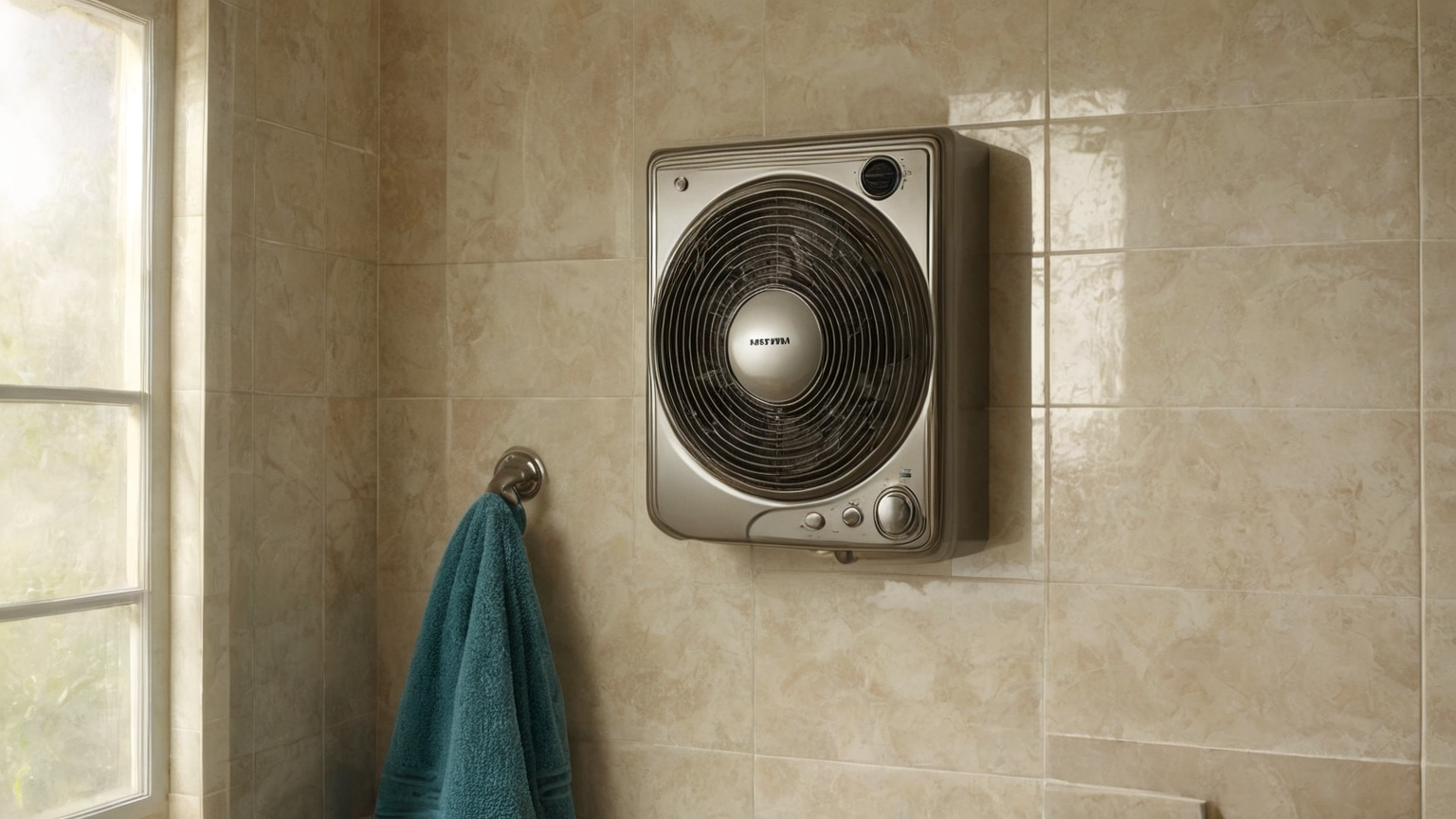
Bathrooms add water, outlets, towels, and slippery floors. Keep cords away from wet zones and never run extension cords across a bathroom threshold. After showering, use the fan if present, open the door when privacy allows, hang towels with air gaps, and run the dehumidifier in a dry nearby area. If the room lacks ventilation or has recurring mold, document it for the landlord rather than silently compensating with electricity.
Closet reset checklist
Remove damp shoes, cardboard boxes, overfilled bins, and fabric pressed against exterior walls. Use breathable spacing and washable bins where appropriate. If an item smells musty after airing out, do not put it back into the same sealed space. A closet becomes easier to maintain when every shelf has a visible air gap and every damp item has a temporary drying location.
Drain, bucket, and noise planning
A continuous drain is convenient only when it is manufacturer-approved, routed safely, and cannot leak into a neighbor’s unit. Bucket mode is safer for many renters because it forces daily visibility. Put the unit where emptying it does not require carrying water over rugs, cords, or stairs. Noise also matters: a device that is too loud will be turned off, so choose a time block that matches the household routine.
What a dehumidifier cannot fix
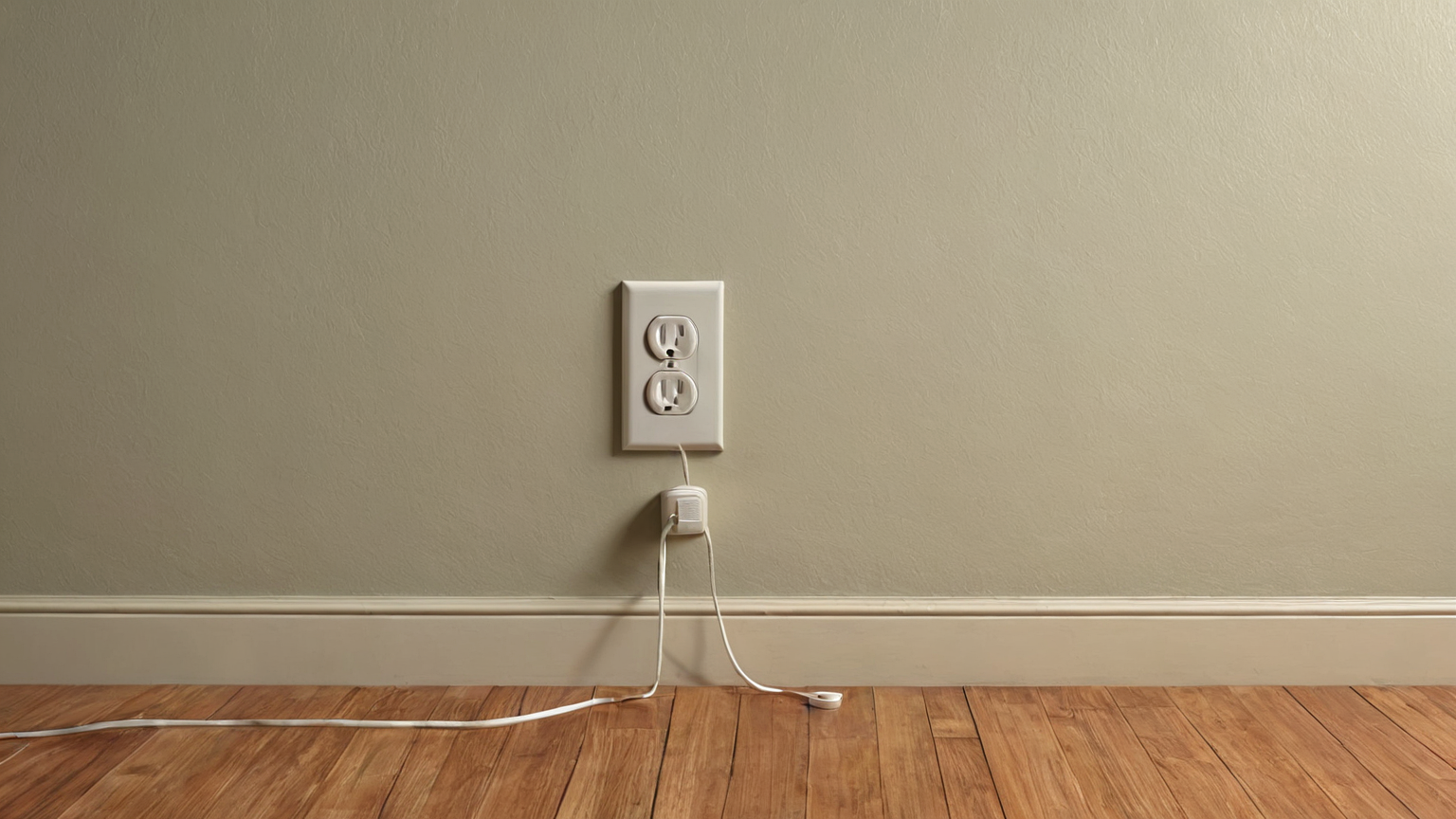
It cannot fix a roof leak, plumbing leak, missing fan, recurring condensation from structural cold spots, or existing mold contamination. It also cannot make unsafe electrical placement safe. If moisture returns quickly, grows on porous surfaces, or follows rain and plumbing use, the renter-friendly move is documentation: dates, photos, room conditions, and maintenance requests.
Weekly maintenance routine
Clean the filter as the manual directs, empty the bucket before it overflows, wipe nearby dust, check for warm cords, and verify nothing has been pushed against intake or exhaust. Review closets after laundry days and humid weather. Keep the routine boring and visible, because hidden moisture is the enemy of small-apartment interiors.
Summary
The best renter dehumidifier layout is open, reversible, and honest about limits. Improve airflow, protect floors and cords, reduce fabric crowding, and escalate building problems instead of masking them. That helps readers make safer decisions before buying more equipment.