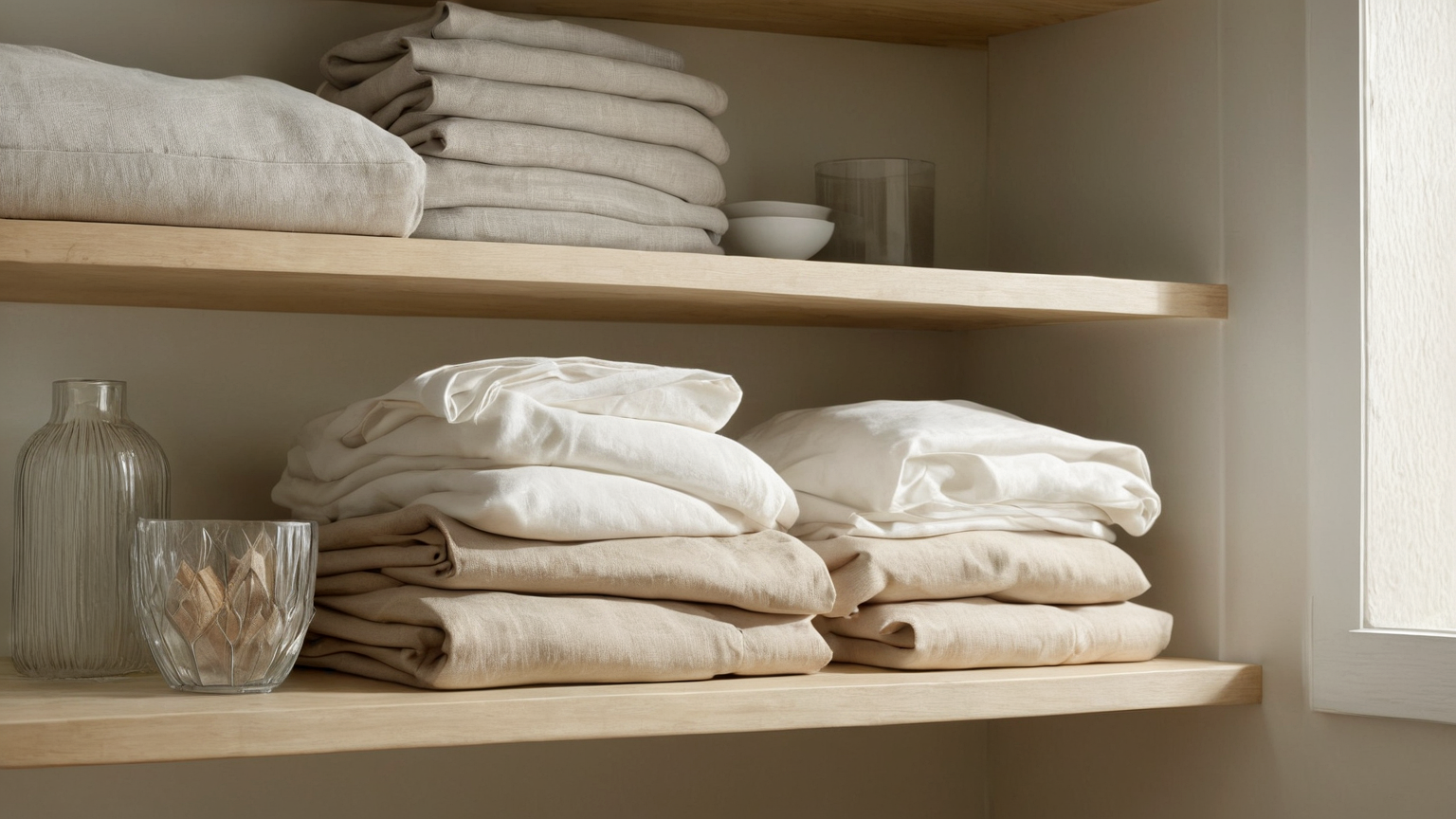
A closet can become the hottest, stillest corner of a rental during summer. Overpacked shelves, damp laundry, plastic bins, and closed doors trap heat and moisture, so clothes smell musty even when the rest of the apartment looks clean. This June 2026 guide focuses on reversible renter-safe layout choices: airflow gaps, fabric decisions, moisture checks, and when to ask for maintenance.
Layout table
| Closet problem | Renter-safe move | Avoid | Why it helps |
|---|---|---|---|
| Musty corner | Pull items away from wall | Sealing everything in plastic | Air can move and moisture is visible |
| Hot closed closet | Crack door after laundry day | Running cords under clothes | Reduces trapped heat safely |
| Damp towels | Dry outside closet first | Storing half-dry textiles | Prevents odor transfer |
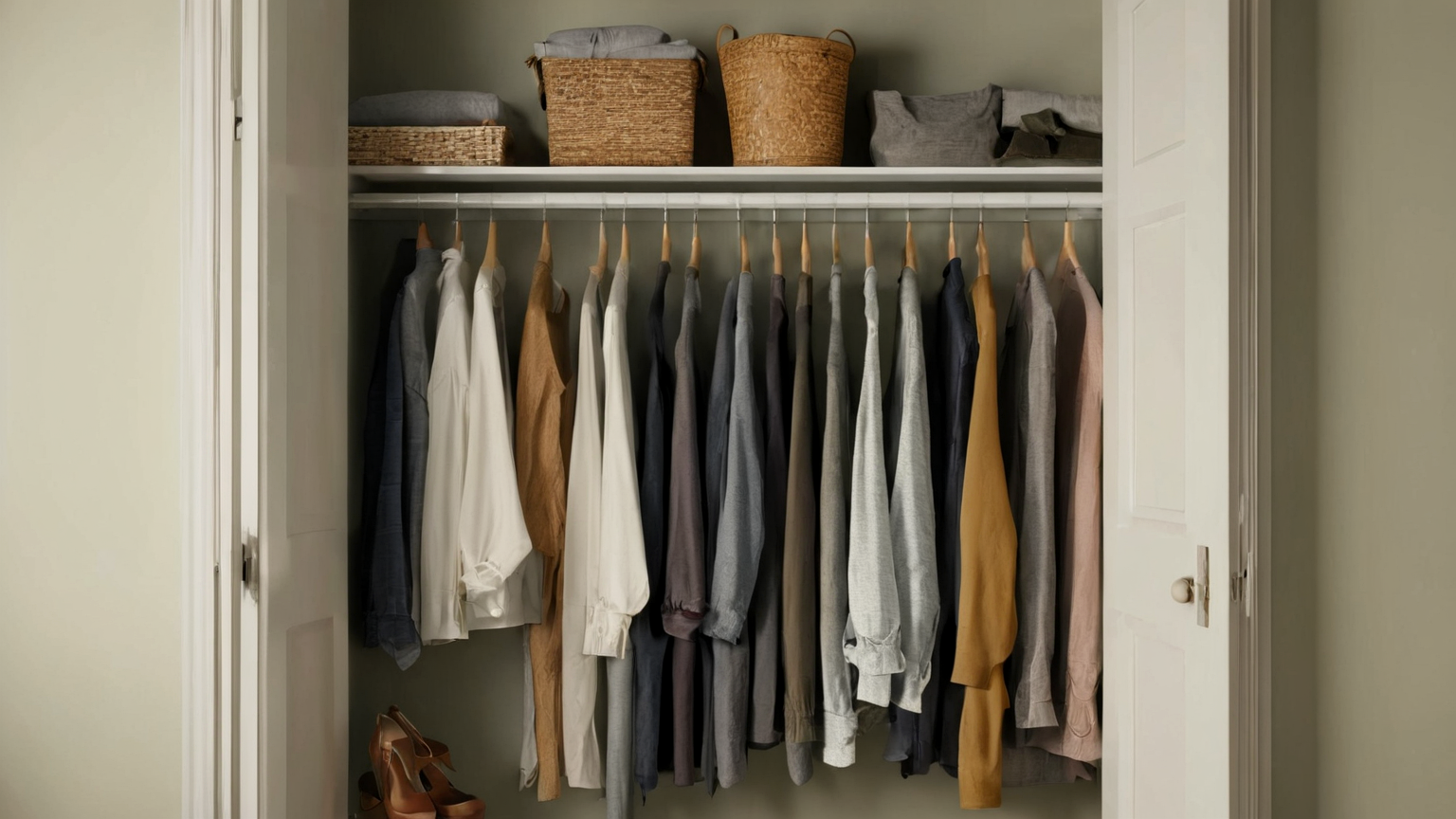
| Overpacked rod | Remove seasonal extras | Compressing hangers tightly | Fabrics dry and breathe |
| Mystery stains | Document and report leaks | Painting over the sign | Protects renter and property |
Empty ten percent first
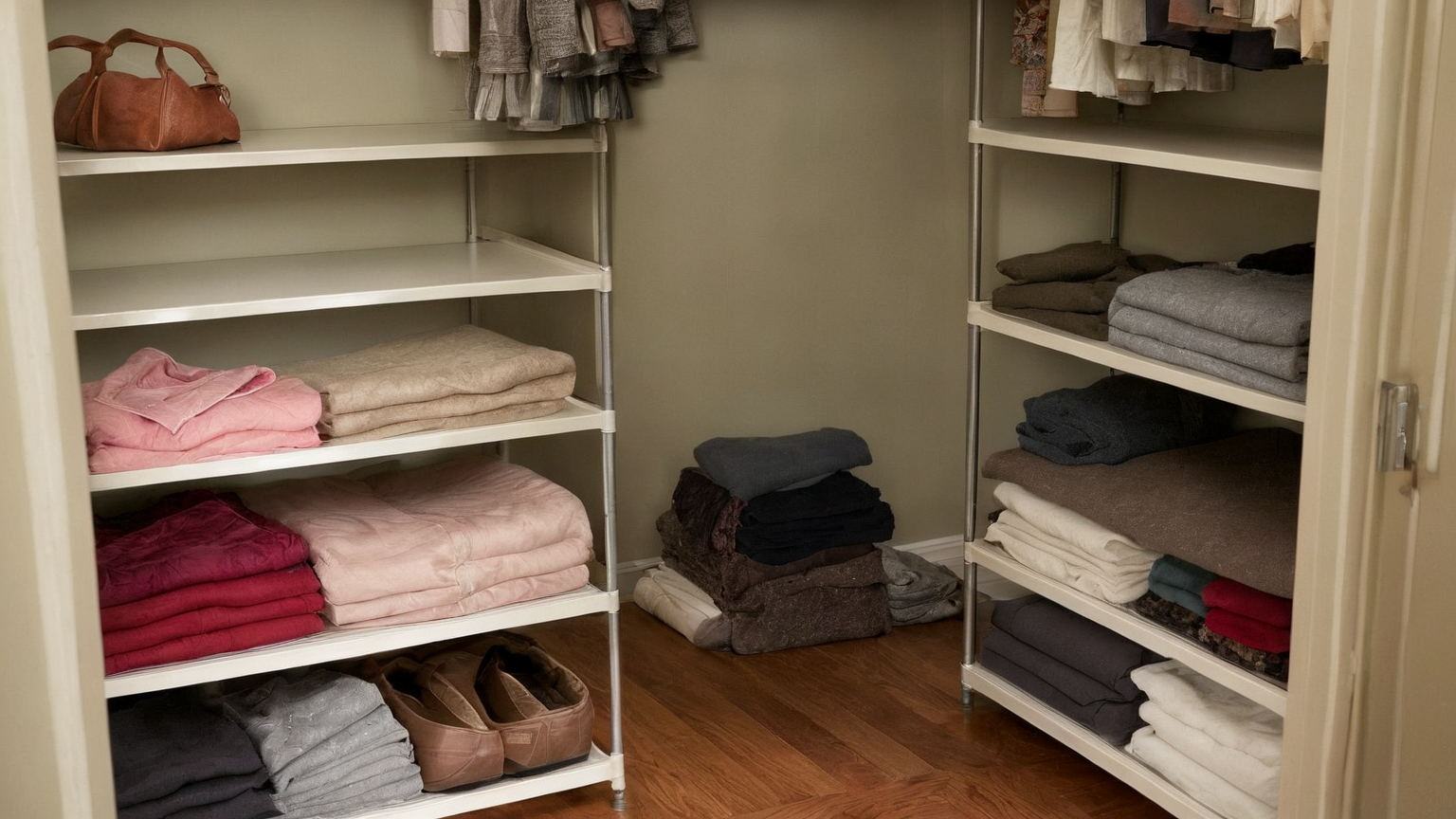
The cheapest airflow improvement is space. Remove cardboard boxes, duplicate hangers, and items that have not moved in months. Leave a visible gap at the floor and behind the most vulnerable wall. If the closet shares an exterior wall, a bathroom wall, or a kitchen wall, keep fabric from pressing tightly against that surface during humid weather.
Treat damp laundry as a separate zone
A closet should not be the first stop for towels, sportswear, or clothes that are not fully dry. Let textiles finish drying in a ventilated area before storage. If a small apartment has no ideal drying spot, use a short rotation: dry, check, store, and leave the closet door open briefly. Do not run unsafe extension cords through piles of fabric.
Use breathable storage wisely
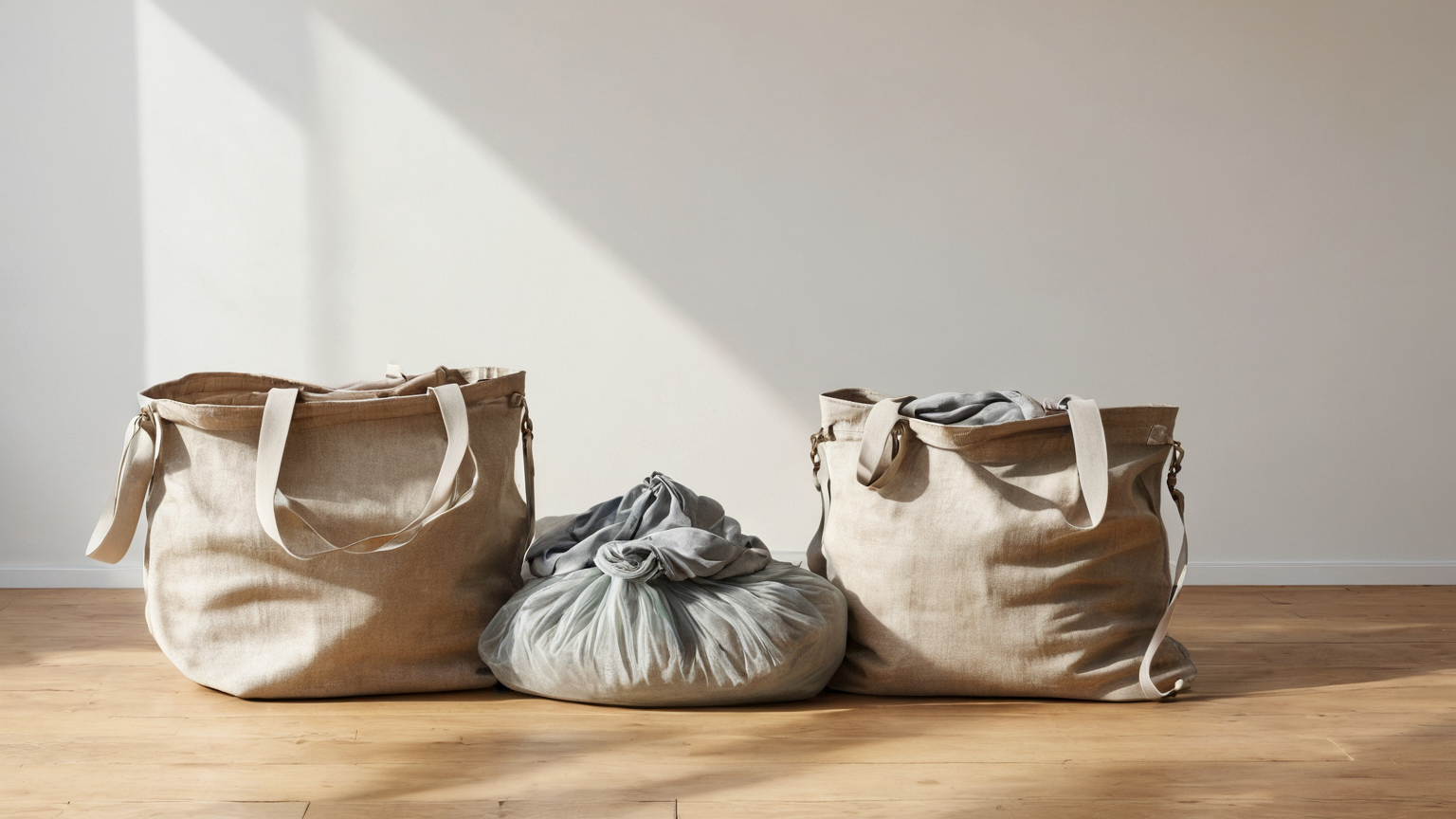
Breathable bags and open bins can help, but they are not magic. Items that need protection from dust still need periodic inspection. Plastic tubs may be useful for pests or moves, yet they can hide dampness if used for everyday summer clothes. Labeling should be private and simple; avoid turning the closet into a visual wall of clutter.
Fan placement without cord hazards
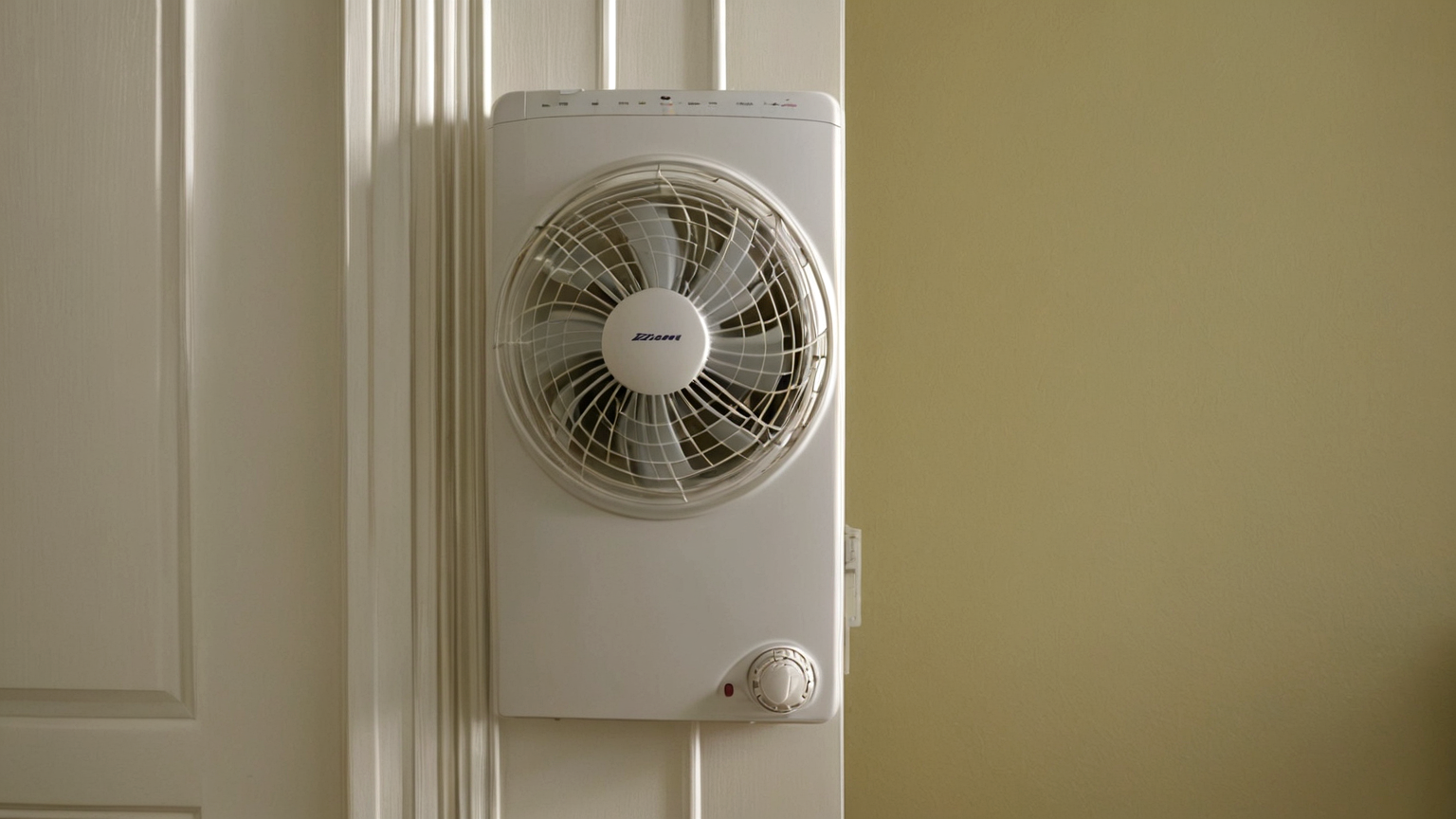
If you use a fan, place it outside the closet or in a clear doorway path where the cord cannot be pinched, buried, or tripped over. Short sessions after laundry or cleaning are more sensible than a hidden fan running unattended in a packed closet. Heat-wave routines should protect people first; do not stand in a hot closet reorganizing for hours.
Know when it is a maintenance issue
Persistent musty odor, damp drywall, peeling paint, active leaks, or visible mold are not solved by prettier baskets. Photograph conditions, keep communication factual, and follow tenant-rights channels for your area. A renter-safe design guide should not encourage you to hide building problems with fragrance, paint, or sealed containers.
A weekly five-minute reset
Touch the back wall area, smell the lowest shelf, check for damp laundry, rotate shoes or bags off the floor, and open the door after cleaning. This is not a luxury organizing ritual; it is a small habit that preserves clothing and makes the apartment healthier.
Summary
A summer closet works when it has fewer items, visible gaps, dry textiles, safe airflow, and a maintenance threshold. These low-cost choices support AdSense readiness because they solve a real renter problem without pushing unnecessary products or ignoring safety boundaries.