A balcony drying rack can save energy and protect delicate clothes, but in a small rental it can also create heat, visual clutter, blocked exits, falling hazards, or indoor humidity problems. This June 2026 layout guide treats the rack as part of the room plan: shade, airflow, lease rules, walking clearance, and a backup routine for smoke, storms, and high heat.
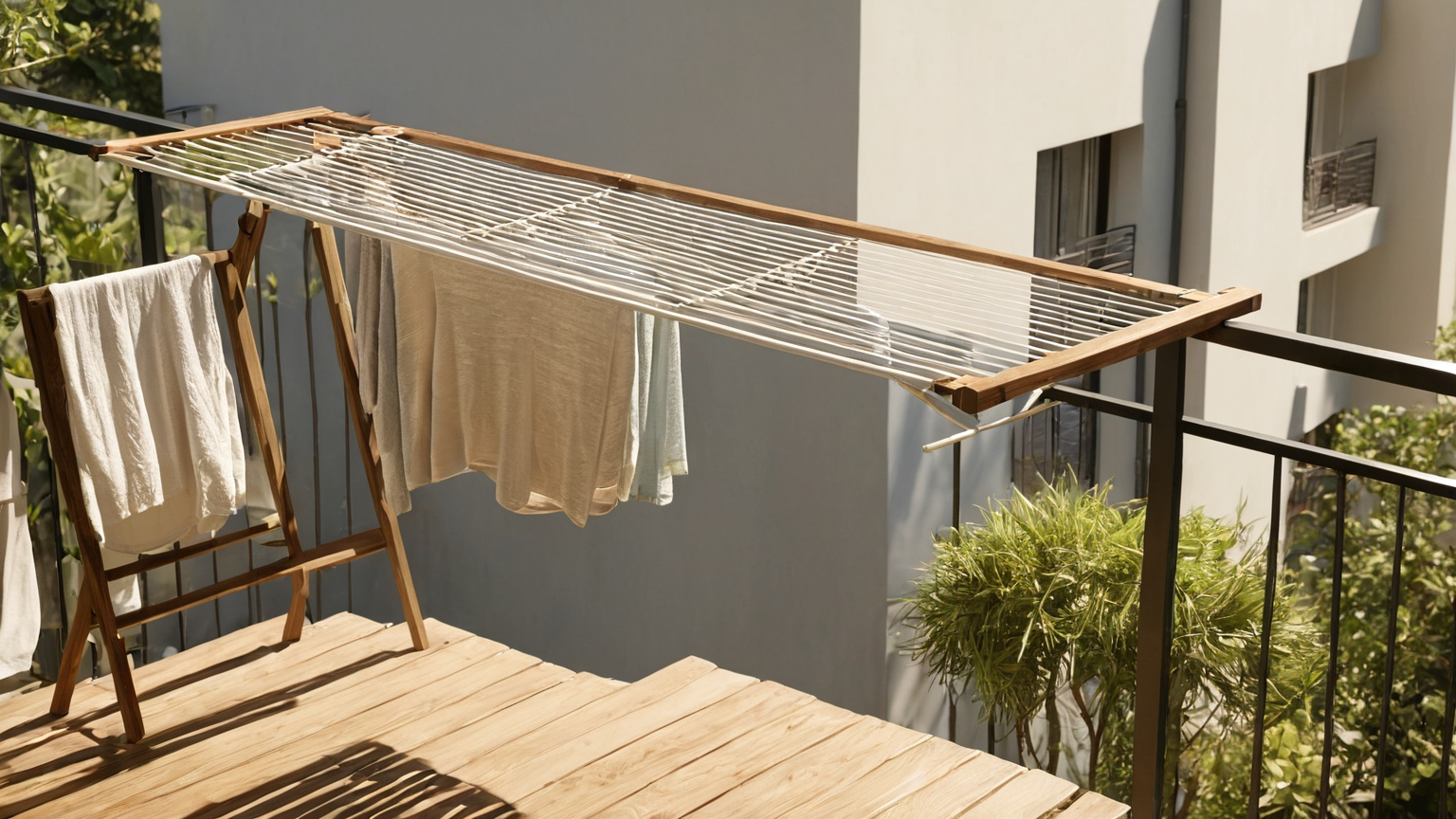
Layout decision table
| Constraint | Better choice | Avoid | Why it matters |
|---|---|---|---|
| Lease or HOA rules | Keep rack low and removable | Rail-hung visible clutter | Prevents fines and conflicts |
| High heat | Shade plus airflow | Full sun during heat alerts | Protects people and fabrics |
| Small balcony | Foldable rack beside wall | Blocking the door swing | Keeps exit usable |
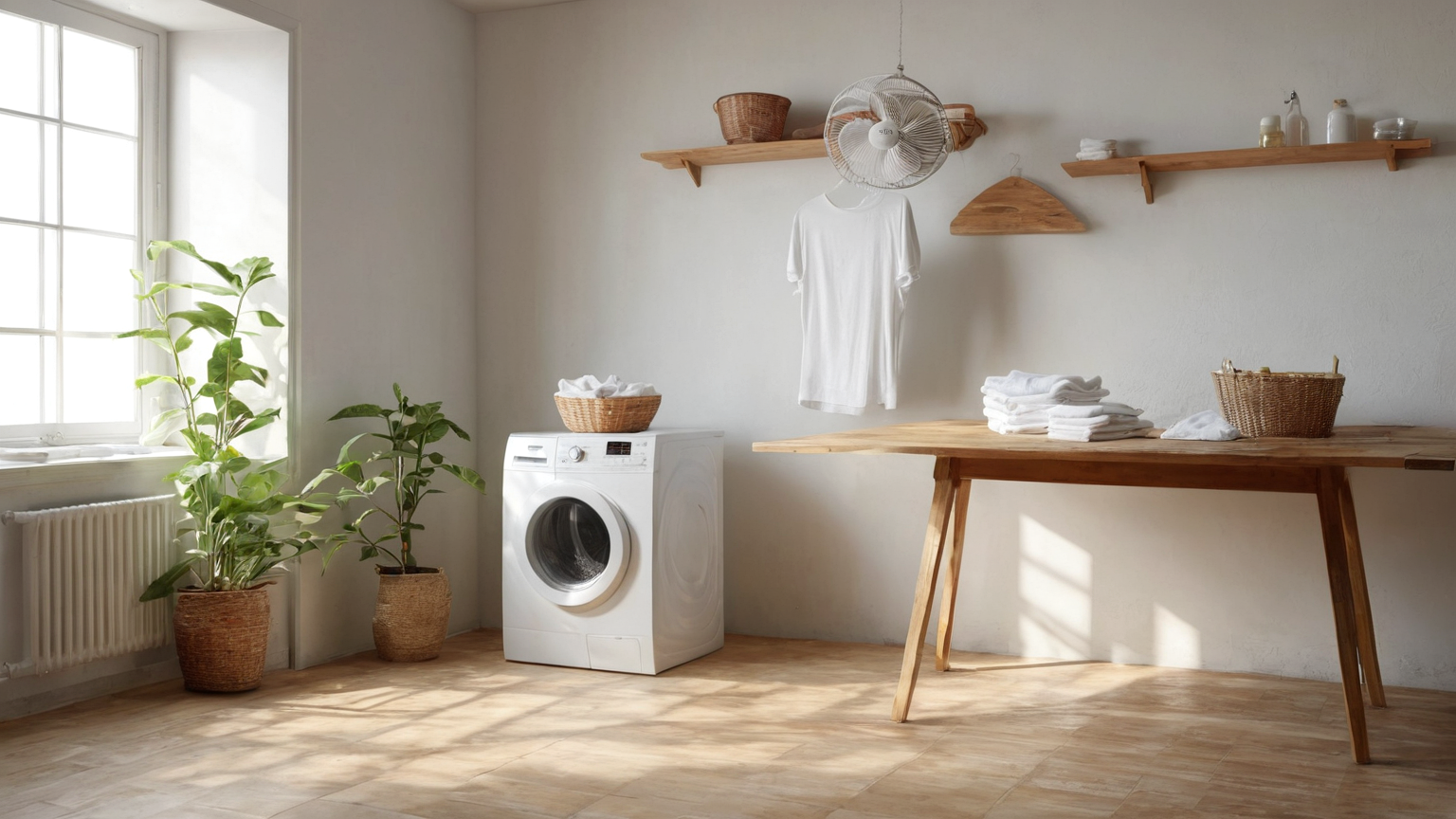
| Indoor backup | Ventilated drying zone | Wet clothes in a closed bedroom | Reduces moisture problems |
| Wind | Weighted low rack | Items clipped to railing edge | Prevents falling hazards |
Check the rule layer first
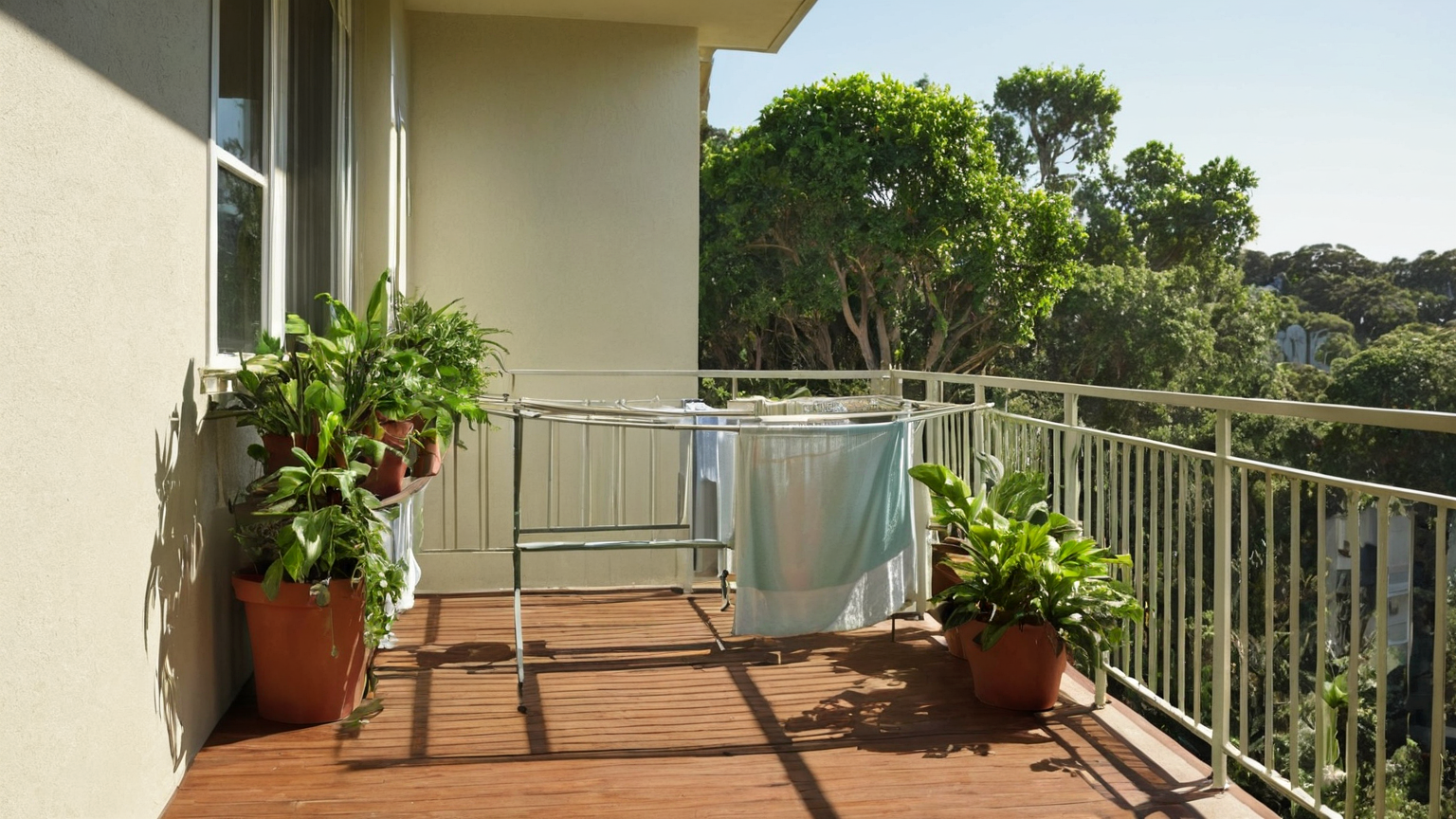
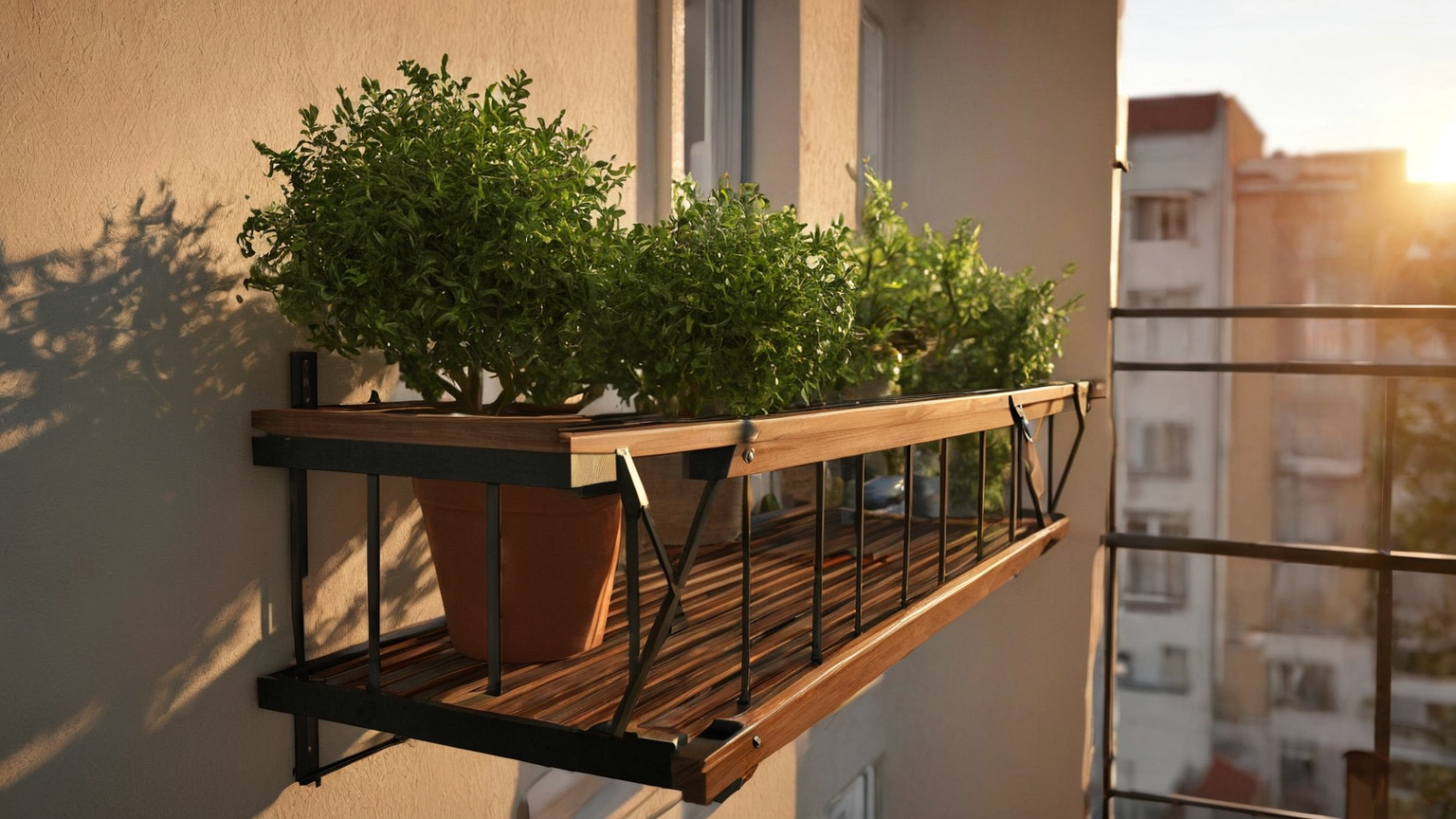
Before buying a rack, read the lease, building notices, balcony rules, and fire-exit requirements. Some buildings restrict visible laundry, railing attachments, or anything that changes the exterior. A renter-friendly setup is freestanding, below the rail line, easy to fold, and simple to move before inspections, storms, or maintenance.
Design for airflow, not maximum sun
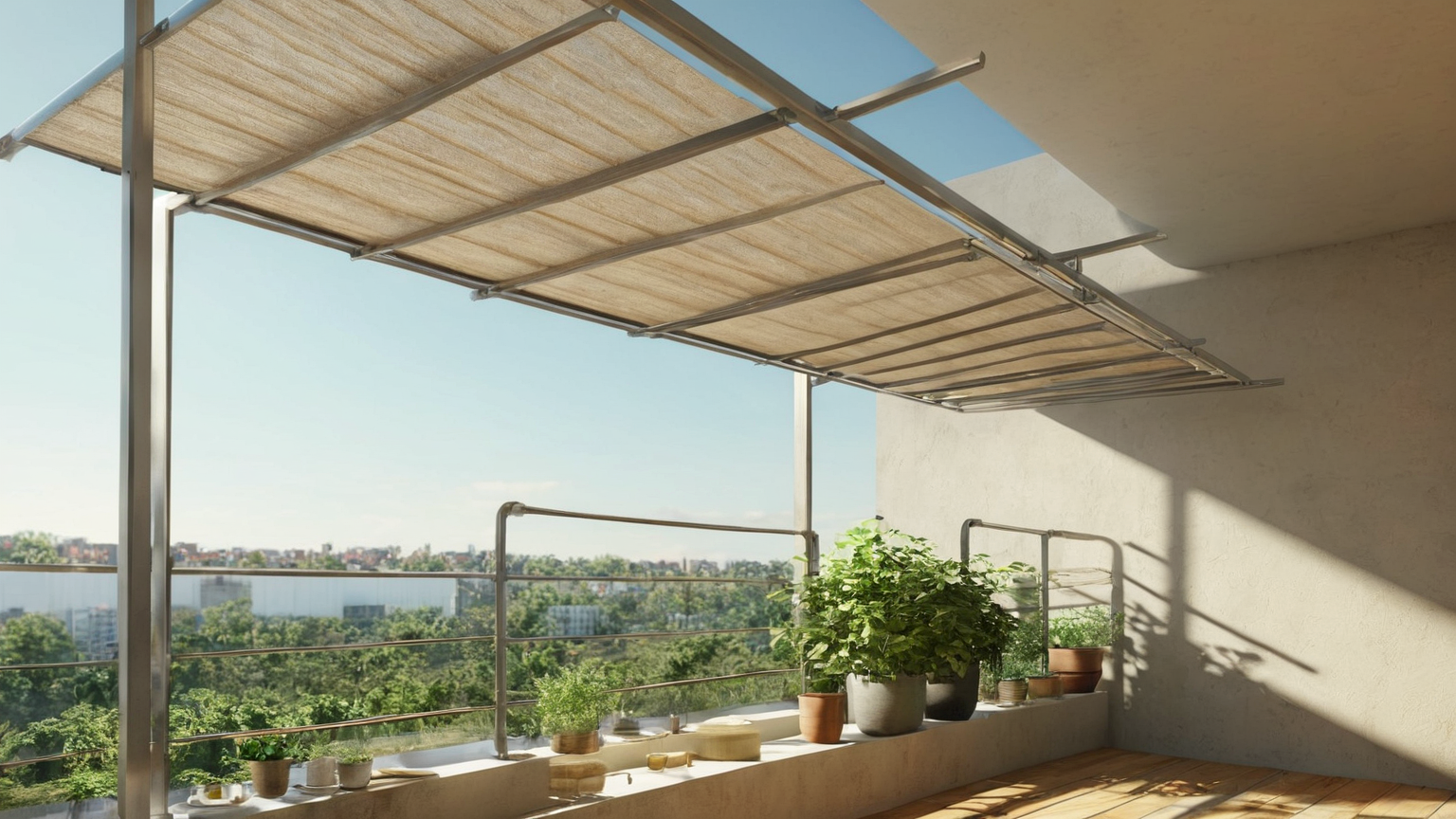
Direct sun dries quickly, but it can fade fabrics and make a tiny balcony uncomfortable. Shade with moving air is often more sustainable. Leave space around the rack so air can pass through the fabric, and avoid pressing damp clothes against walls, outdoor cushions, or stored boxes. If the balcony feels like a hot closet, the rack is in the wrong place.
Protect the exit path
A balcony door is not just a backdrop for decor. Keep the door swing clear and maintain a route wide enough to step out, retrieve items, and fold the rack without leaning over the railing. In studio apartments, the best design choice may be a narrower rack that dries fewer items safely rather than a large rack that makes the balcony unusable.
Plan the indoor backup
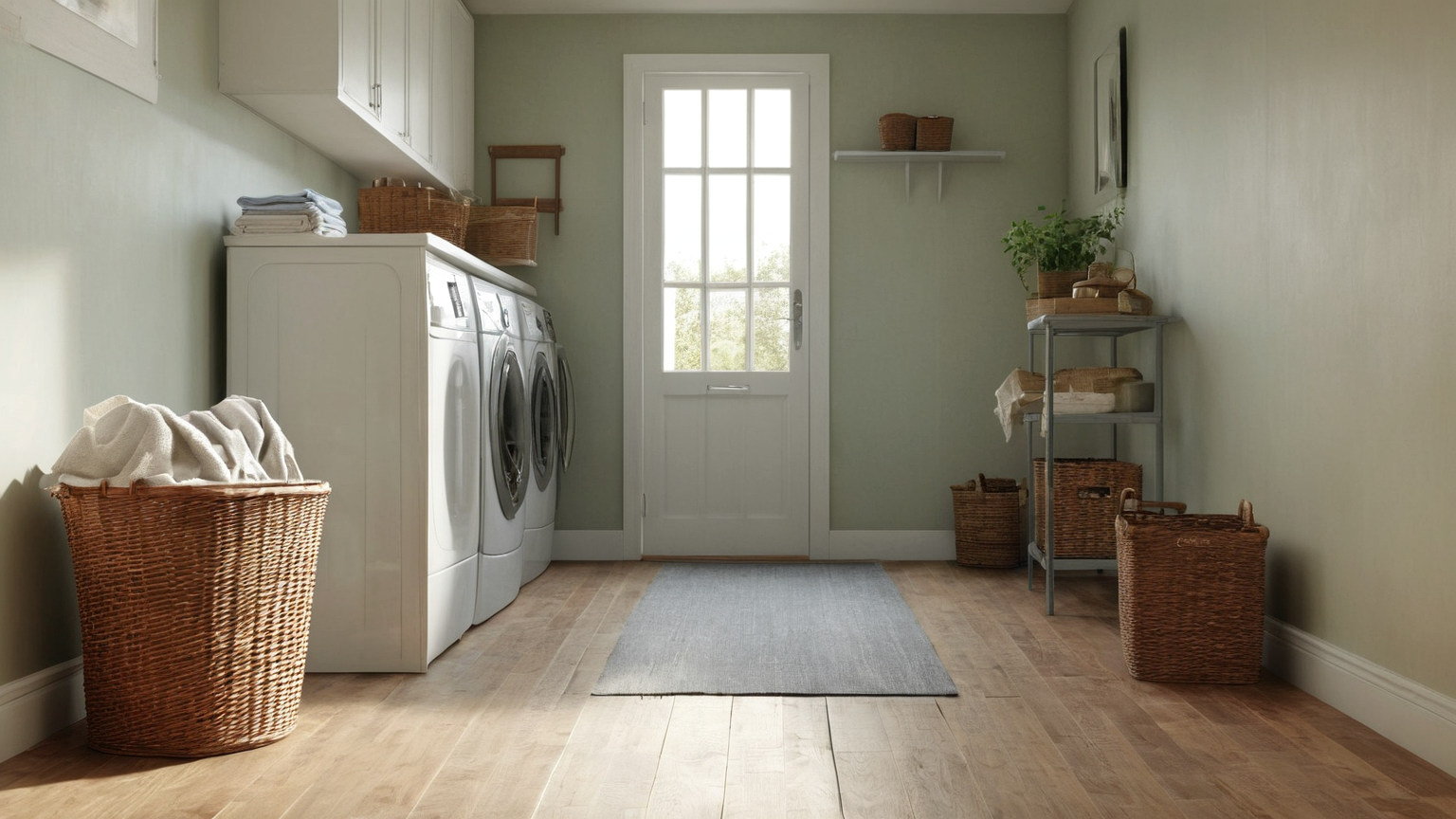
Smoke, pollen, storms, and building repairs can make outdoor drying a bad idea. Pick one indoor backup spot with a washable floor, airflow, and a moisture check. Do not run extension cords under wet laundry or rugs. If condensation appears on windows or a musty smell develops, reduce load size, improve ventilation, or switch methods.
Heat and fabric decisions
During heat alerts, avoid standing outside long enough to manage multiple loads. Dry essentials first, use hangers for airflow, and bring heat-sensitive items out of harsh sun. A practical balcony routine respects the person doing laundry as much as the garments. The goal is a repeatable system, not a styled photo.
Visual calm for small spaces
Choose one rack finish, one clip basket, and one storage hook or corner. When the rack is folded, it should not dominate the living area. If the balcony also holds plants or seating, group functions so wet laundry does not drip onto cushions or soil. Interior design here is about reducing friction and conflict.
Weekly checklist
Check lease compliance, door clearance, wind forecast, heat level, smoke or pollen conditions, drainage, and indoor humidity. Clean lint and dust from the rack periodically. After a storm, inspect for rust or loose hinges. If a rack wobbles or invites leaning over the rail, replace it with a safer low-profile option.
Summary
A good balcony drying layout is removable, low, shaded, airy, and respectful of building rules. It helps renters save energy without creating moisture or safety problems. The AdSense-readiness value is practical: readers get a decision process, caveats, and non-commercial alternatives before they buy a rack or gadget.