A small entryway has to do a lot of work: shoes, bags, keys, umbrellas, pet gear, packages, and the first impression of the home. In a rental, the challenge is doing that without overloaded adhesive hooks, blocked exits, hidden moisture, or wall damage that becomes a move-out dispute. This guide uses tenant-rights, indoor-air, and furniture-safety sources checked in May 2026 and turns them into a practical no-drill drop zone.
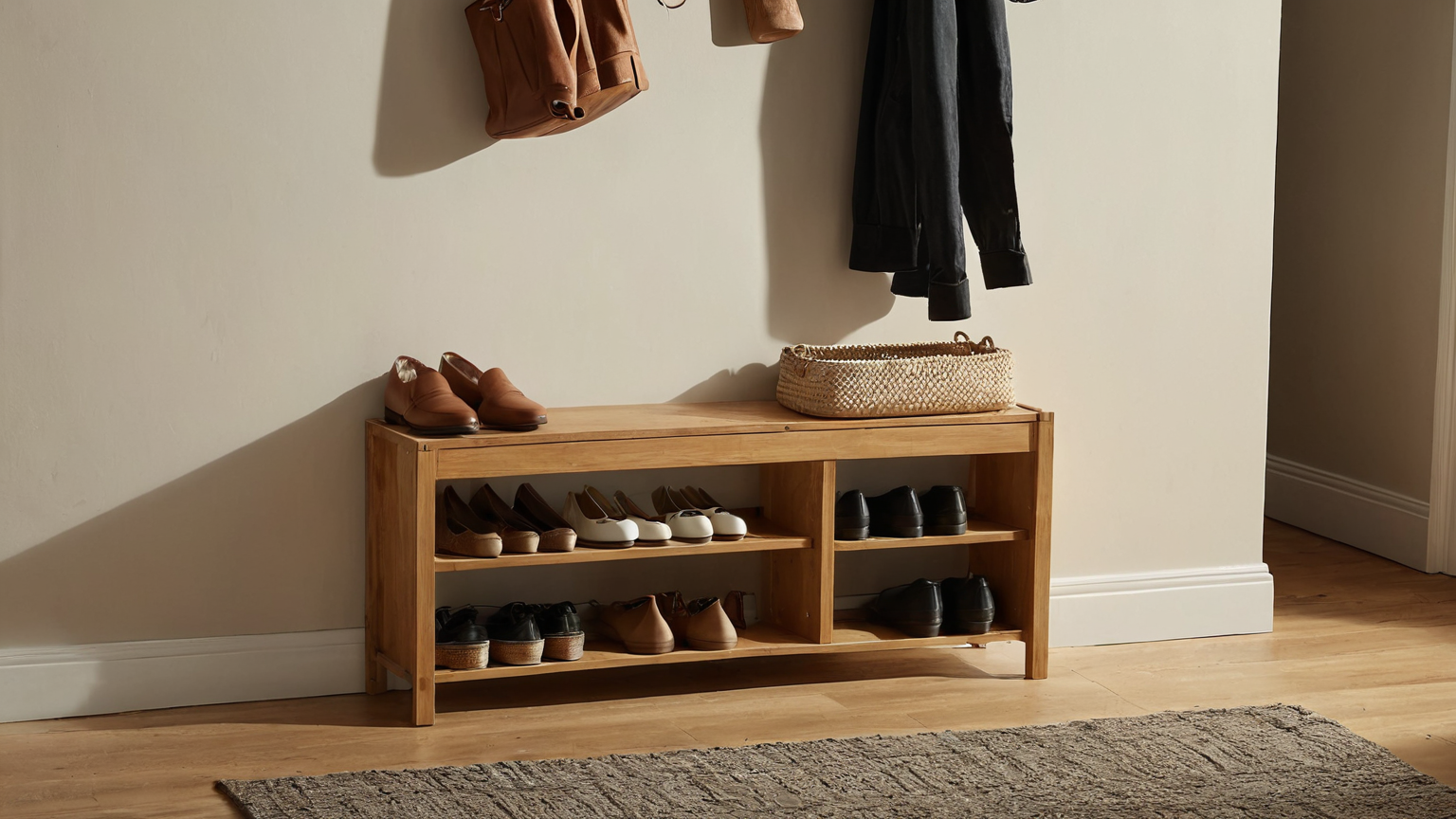
Measure the path first
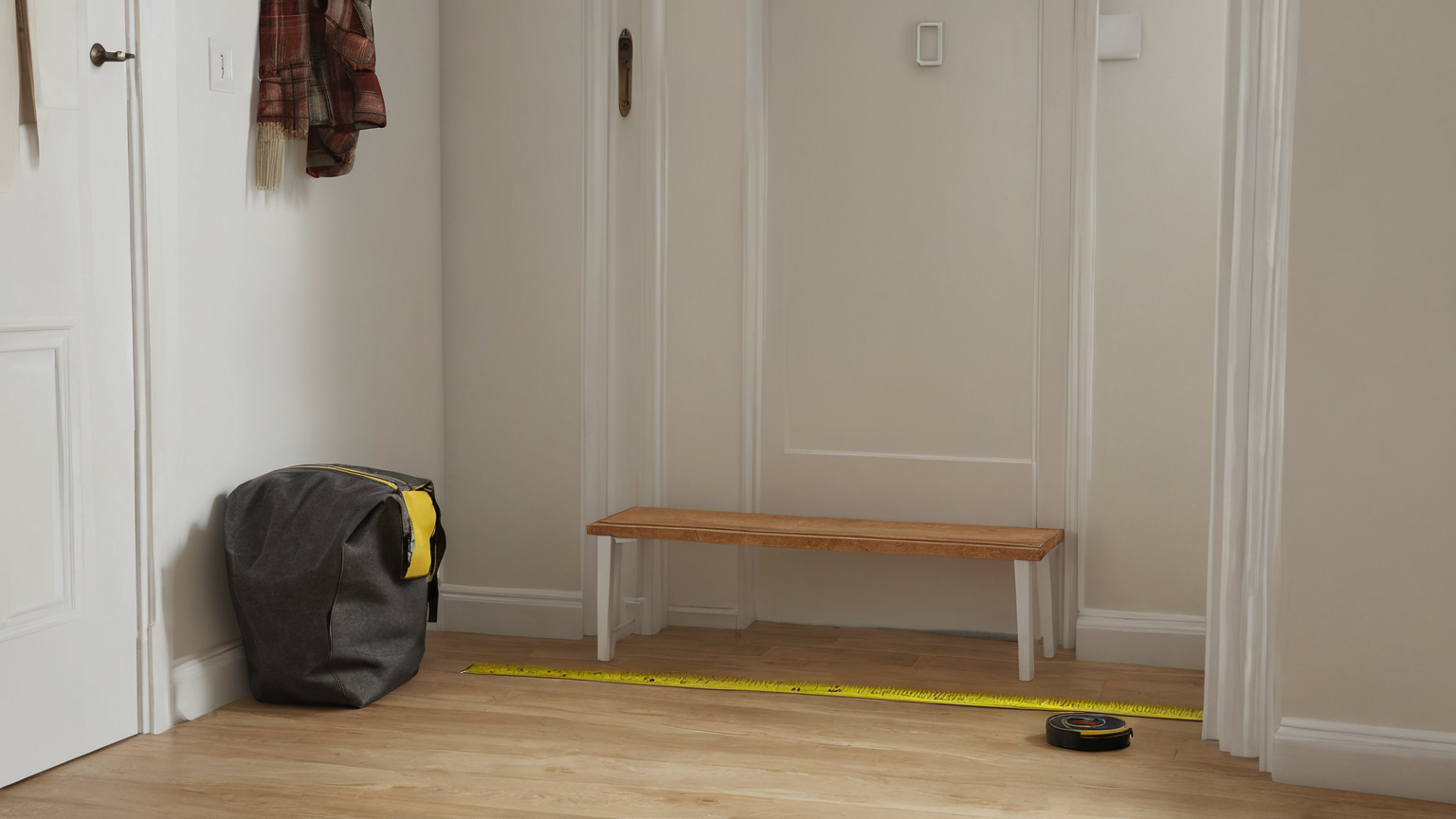
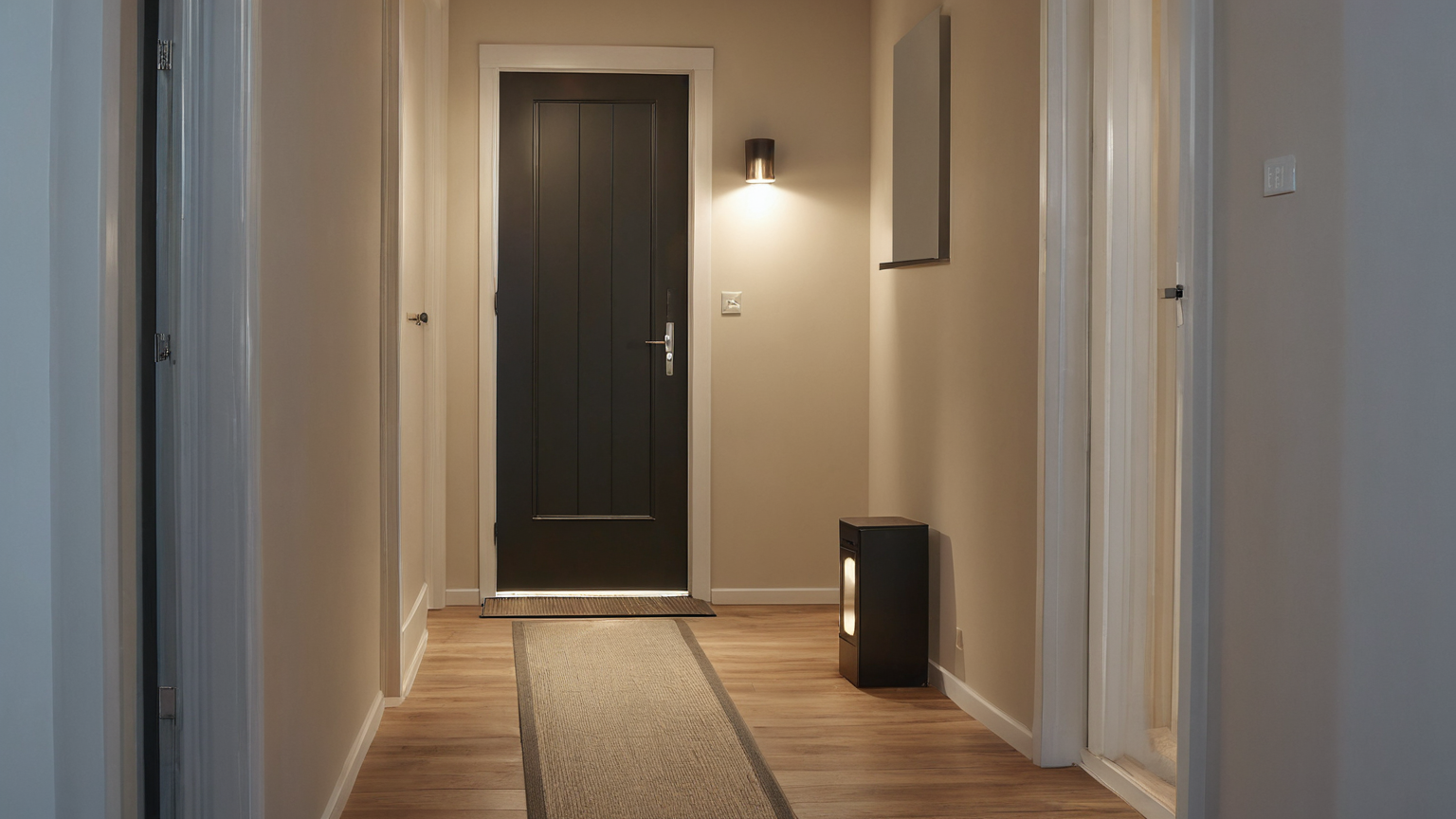
Start by measuring the clear walking path from the door swing to the next room. Storage that looks beautiful but catches bags, strollers, or grocery totes will fail in a week. Keep the door swing free, avoid sharp corners at hip height, and leave a place to stand while shoes are changed.
| Entryway problem | Low-risk renter solution | Watch-out |
|---|---|---|
| Shoes pile up | Open rack plus washable tray | Closed boxes can trap damp shoes |
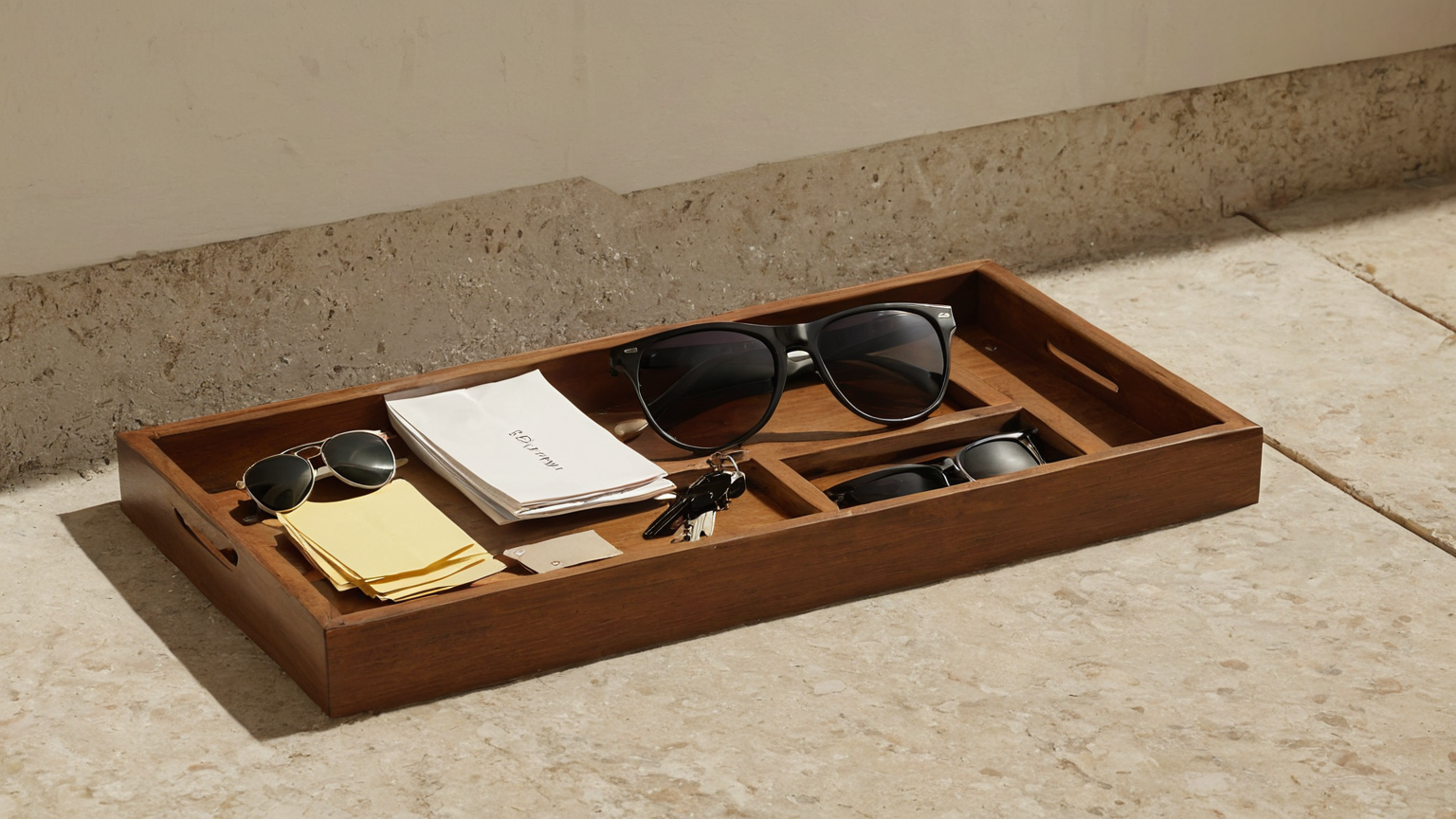
| Keys disappear | Small tray or light hook | Do not overload adhesive strips |
| Bags land on floor | Freestanding rail or rated hook | Heavy backpacks need stronger support |
| Dark doorway | Plug-in or battery motion light | Keep cords out of the walking path |
| Mail clutter | One shallow inbox | Clear it weekly, do not make a paper archive |
Choose freestanding before sticky
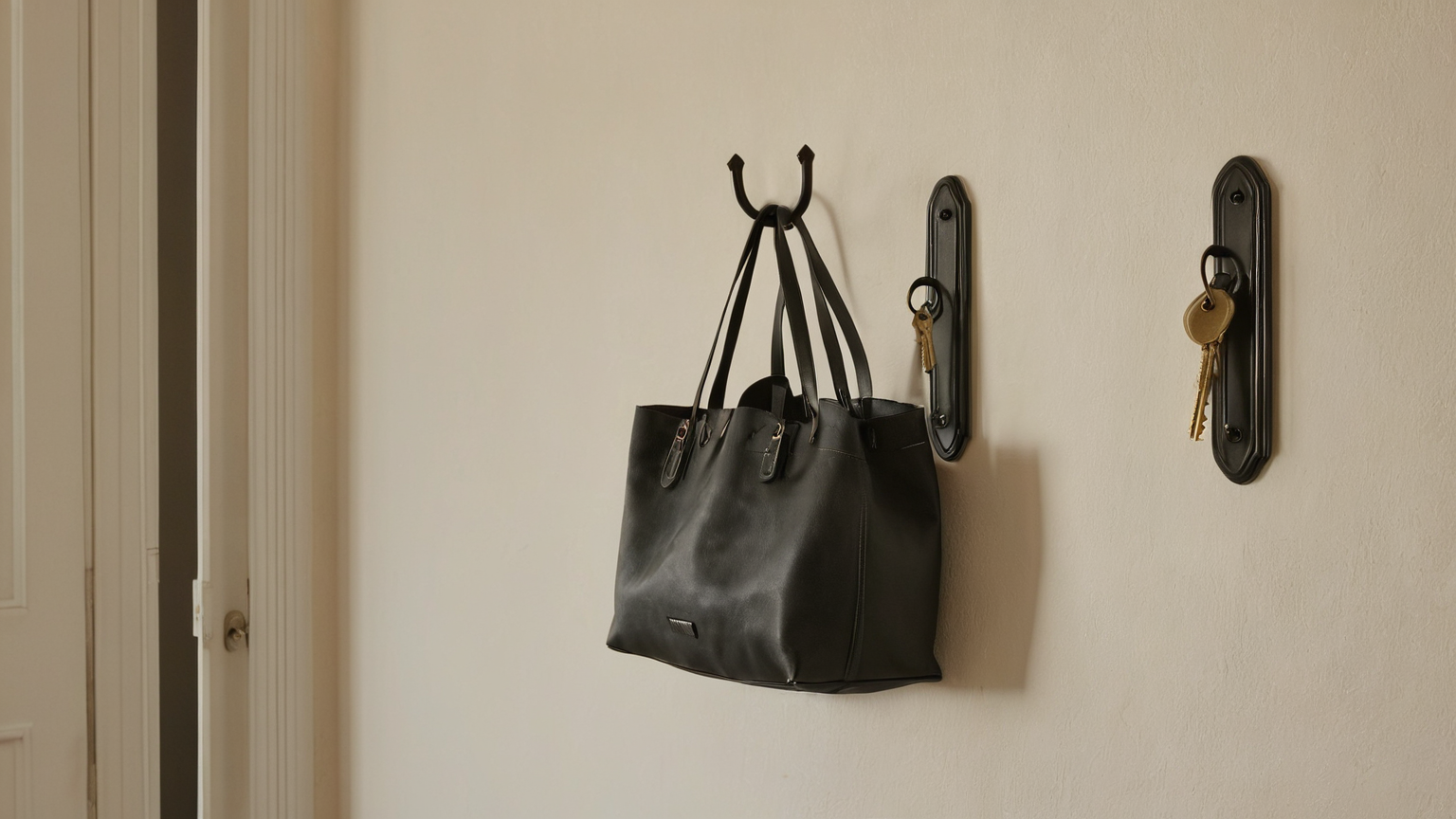
Adhesive products are useful, but they are not magic. They depend on clean surfaces, correct curing time, load limits, paint condition, humidity, and removal technique. For heavier items, a slim freestanding rack, bench, or rail is often safer than a wall full of hooks. If you use existing holes, get permission when the lease requires it.
Keep damp shoes breathable
A closed cabinet can look tidy while making wet shoes smell worse. Use open shelves for daily shoes, a washable boot tray for rain, and a small gap behind storage so air can move. Store seasonal shoes elsewhere if the entry is already tight. A tidy entryway should not become a damp closet.
Think safety, not just aesthetics
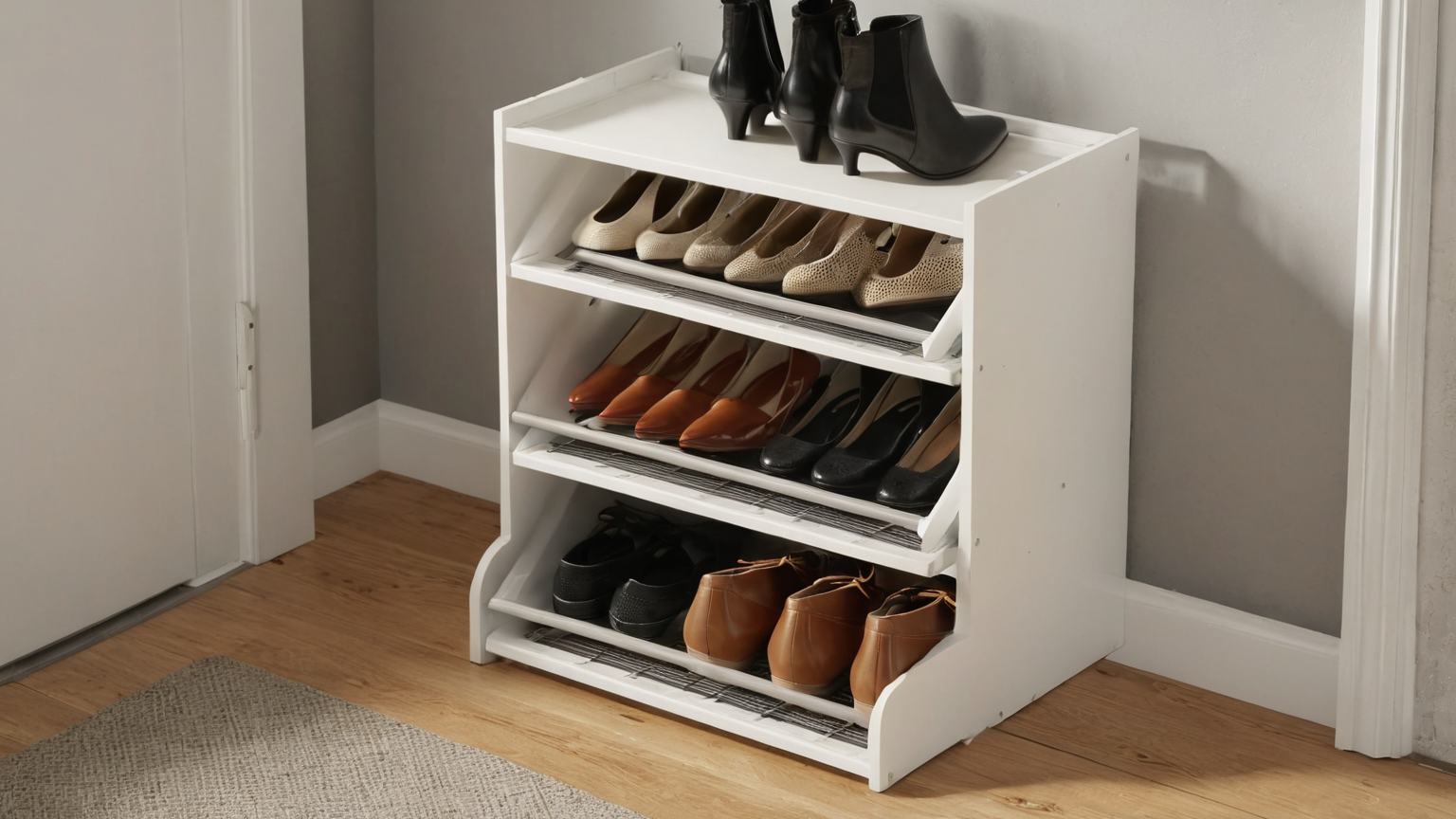
Tall narrow furniture can tip, especially in homes with children or pets. If a piece requires anchoring and you cannot anchor it properly in a rental, choose a lower, wider option instead. Keep heavy items low, do not store breakables over the walking path, and avoid any layout that blocks an exit.
Build a reset routine
The best entryway design has a two-minute reset: shoes onto rack, wet items onto tray, keys into bowl, mail into one inbox, bag onto its assigned hook or bench. If the routine requires opening three lids or moving furniture, it will not survive busy mornings.
Bottom line
A renter-safe entryway is measured, breathable, low, and easy to reset. Choose fewer pieces with clear jobs, respect load limits, and leave the doorway safer than you found it.