A small entryway can reduce pollen and dust only if it stays easy to use. The goal is not a perfect mudroom; it is a renter-safe landing strip for shoes, bags, outerwear, masks, pet leashes, and quick cleaning. This June 2026 guide combines indoor-air, allergy, cleaning, fall-prevention, and tenant-rights guidance into a layout that does not require drilling or blocking the door.
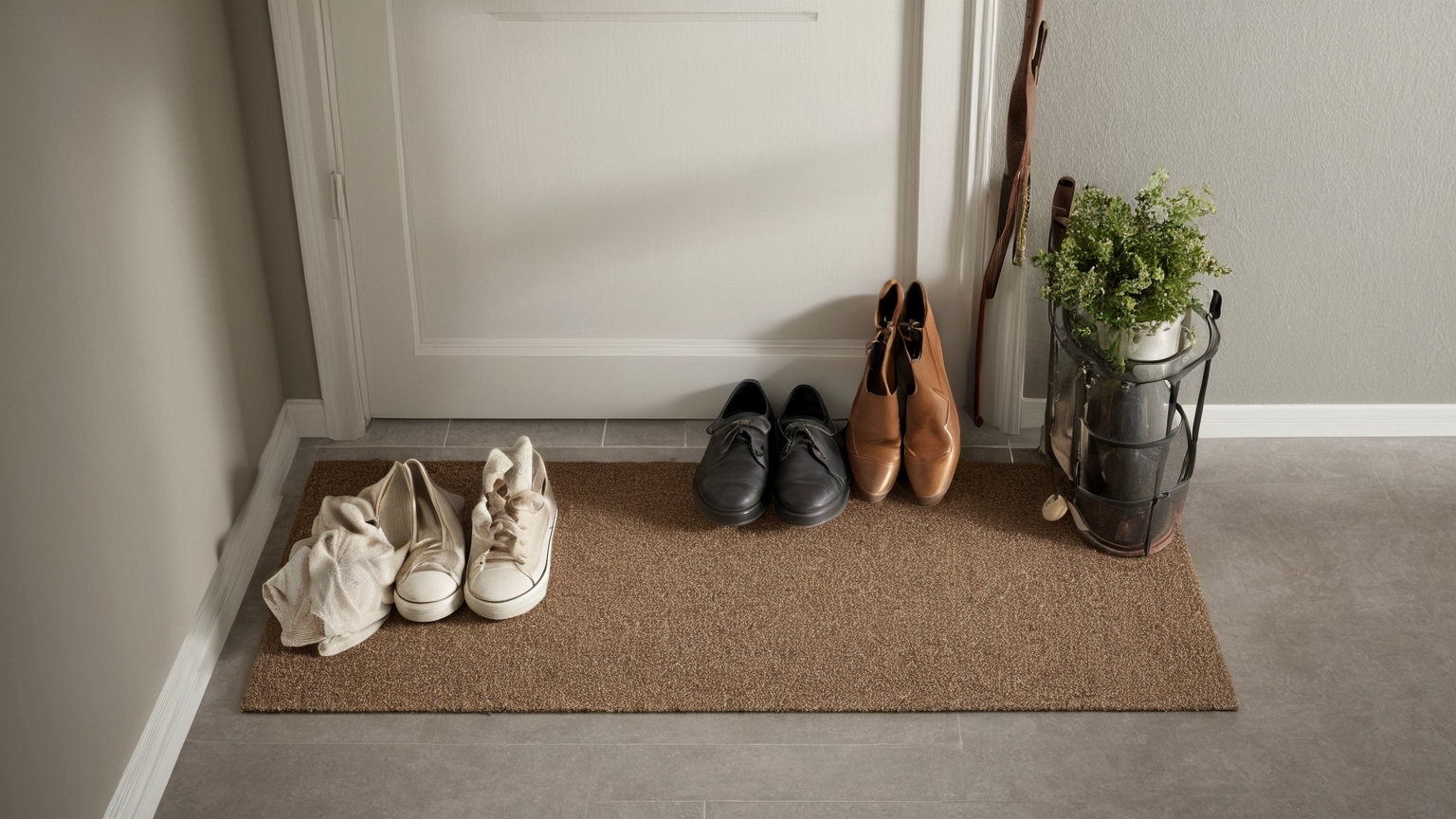
Quick decision table
| If this is your situation | Best first move | Risk to avoid | Proof to keep |
|---|---|---|---|
| You are starting from confusion | Observe the space or routine for one normal week | Buying a device or organizer before knowing the failure point | Photos, notes, simple measurements |
| Safety or policy could be involved | Check official guidance, manuals, lease, or course rules first | Treating a hack as permission | Source URL, date checked, model/course details |
| The setup works but wastes time | Change one variable and compare before/after | Rebuilding everything at once | A short error log and the result |
| Someone else shares the space | Make the rule visible and easy to reverse | Hidden changes nobody understands | A simple checklist and rollback step |
Measure the door swing and first three steps
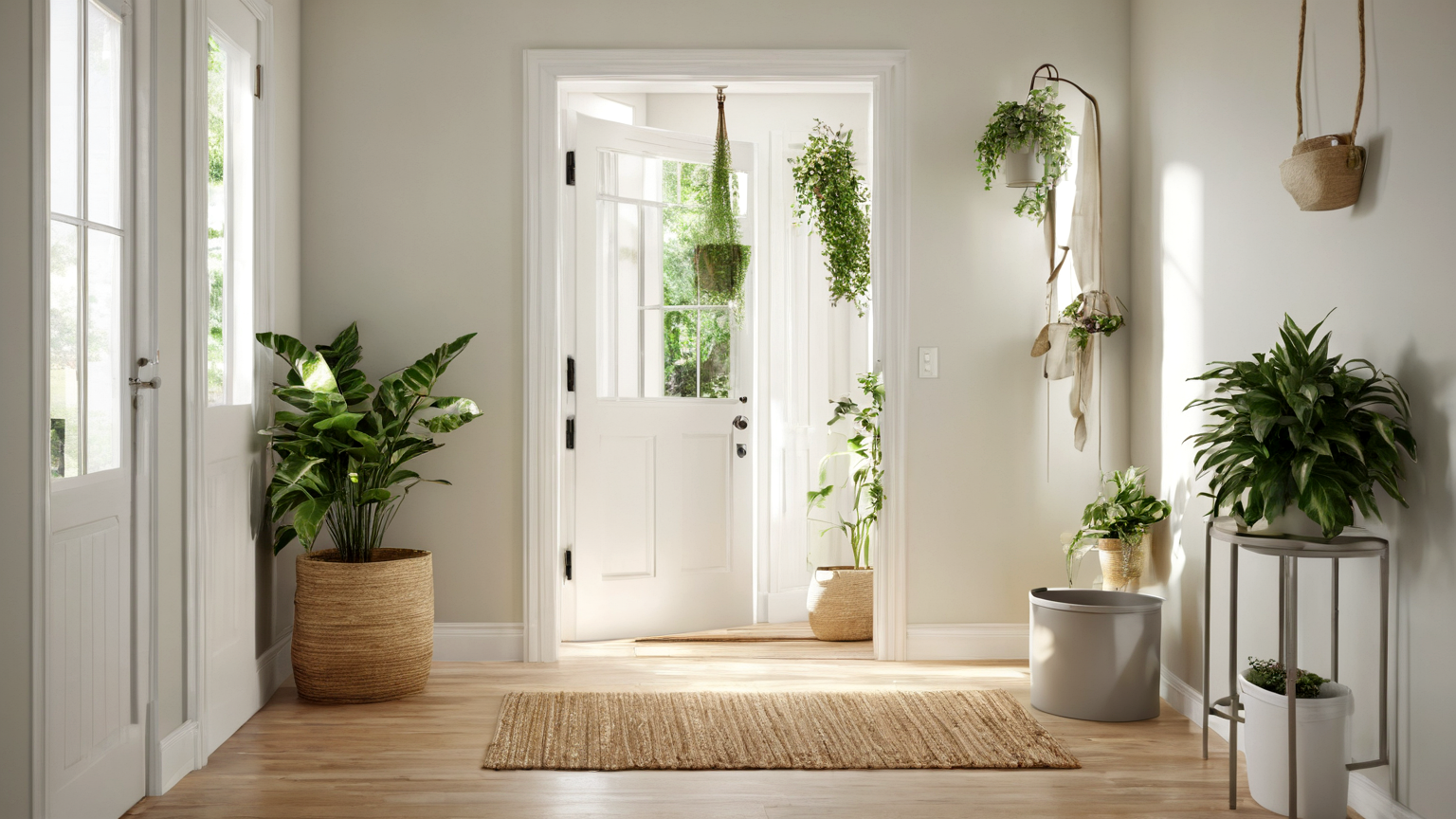
Before buying baskets, stand at the door with groceries or a backpack. Mark where the door swings, where shoes pile up, and where a visitor might trip. Keep the first walking line clear. In a studio or narrow hall, one shallow tray and one hook rail may outperform a tall cabinet.
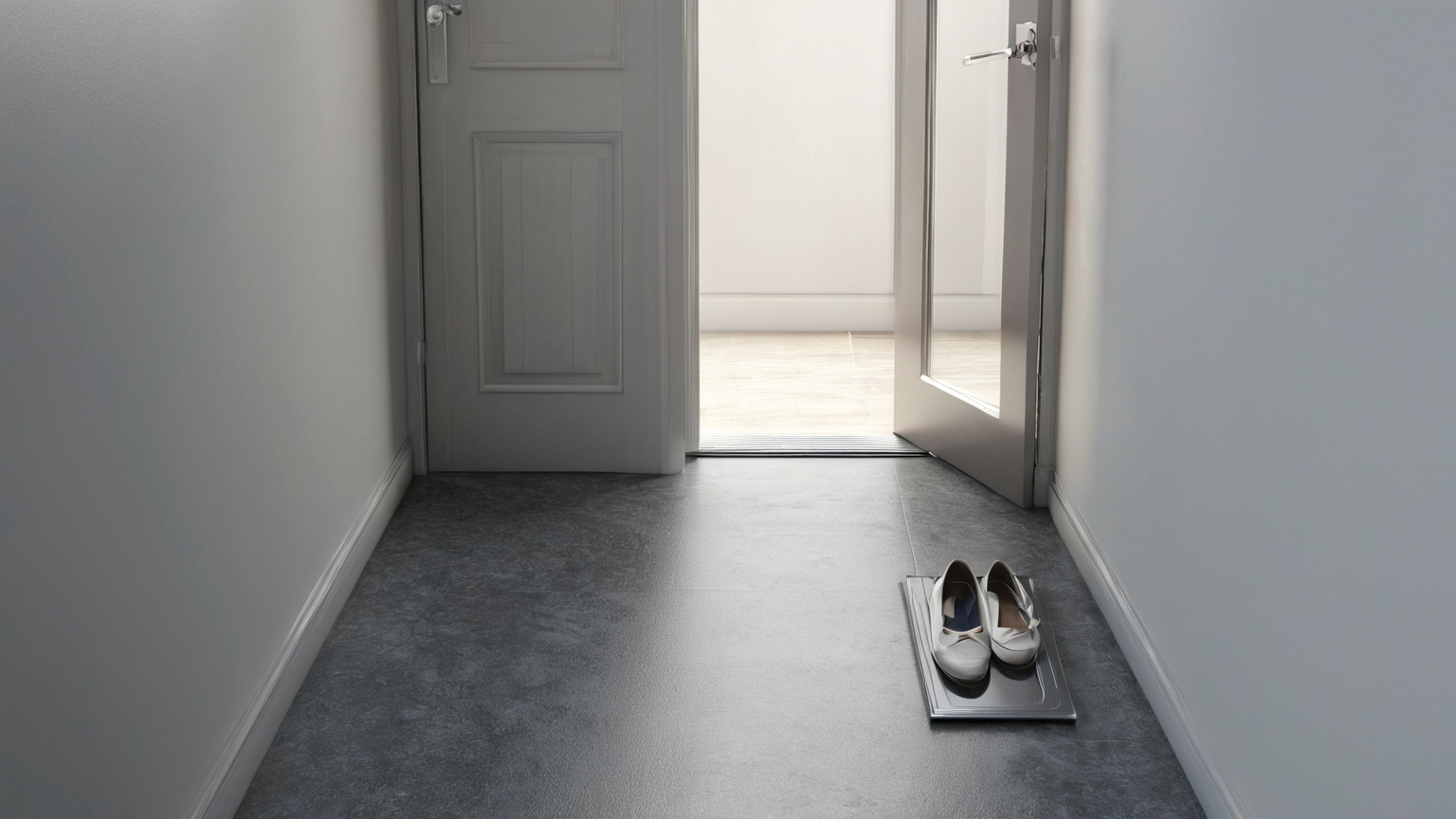
Create a one-minute pollen routine
Use a landing spot for shoes, outer layers, and bags, then wash hands or wipe surfaces as appropriate for your household. People with allergies or asthma may need stricter routines, but a design plan should not pretend to replace medical guidance. Keep the routine short enough that everyone actually follows it.
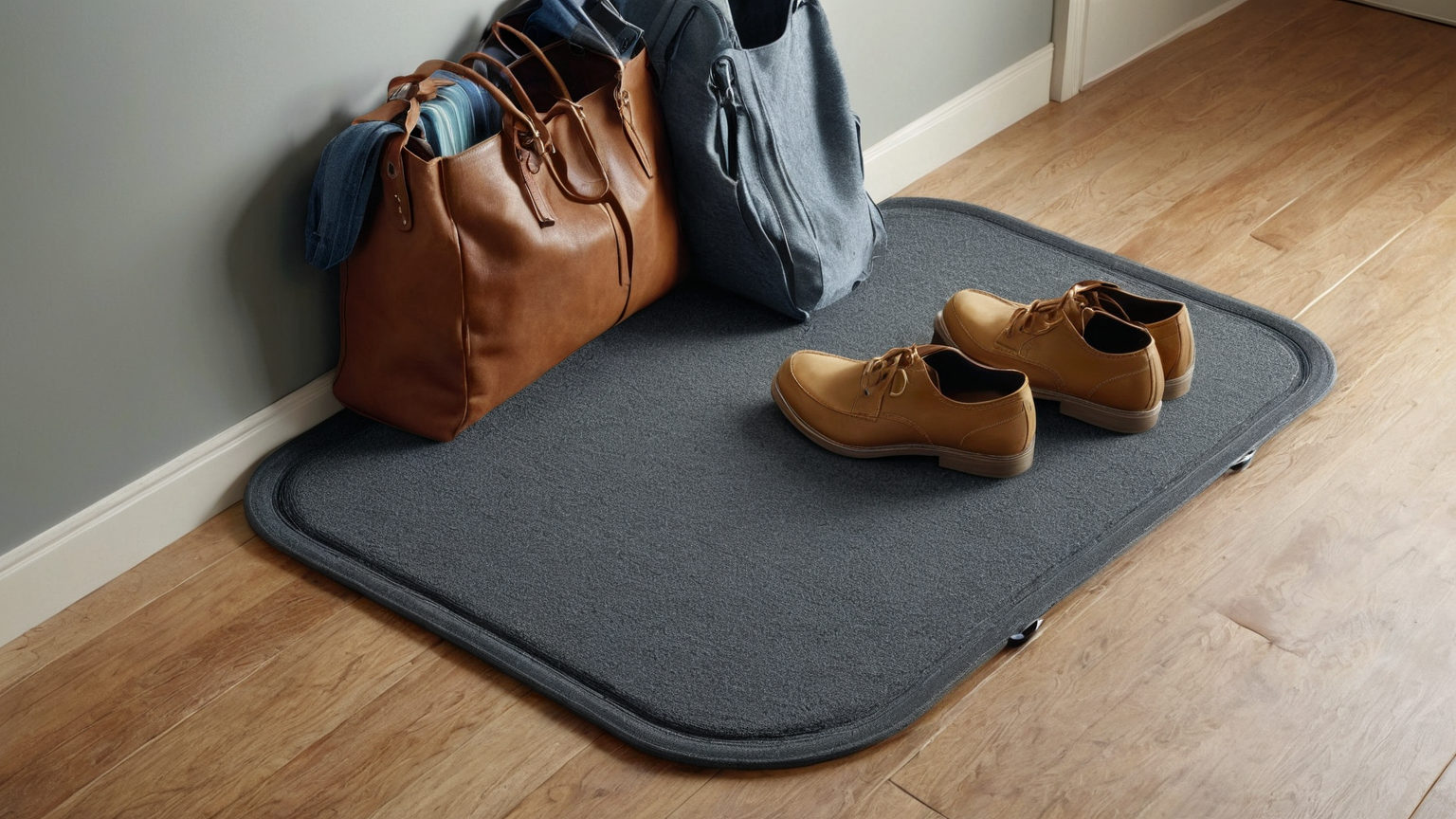
Choose washable, low-profile pieces
Look for mats, trays, bins, and washable textiles that can be cleaned without dragging dirt through the apartment. Avoid deep baskets that hide damp items. If a rug curls, slides, or blocks a door, it is not helping.

Separate clean storage from dirty landing
Do not let the shoe tray become the place where keys, mail, and clean bags live. Use vertical separation: dirty items low, daily grab items at hand height, and seasonal extras outside the narrowest path. This prevents the entry from becoming a dust mixer.
Keep air and maintenance realistic
Portable filters, vacuums, and dehumidifiers are not decor props; they need space, power, and maintenance. Do not run cords across the threshold. If moisture, mold, or building leaks are present, document the issue and use the responsible repair channel.
Before you call it done
- The change solves the original problem, not a prettier but unrelated problem.
- It keeps exits, vents, cords, heat sources, appliance clearances, and walking paths safe.
- It is reversible or documented if you rent, share space, or need approval.
- Any alert, checklist, or automation has a person responsible for responding.
- Current official sources were checked as of June 2026, and local rules, manuals, school policies, and professional advice still override general guidance.
Troubleshooting
| Symptom | Likely cause | Safer next step |
|---|---|---|
| The plan is too complicated to repeat | Too many rules were added at once | Keep the one rule that prevents the biggest failure |
| A device reading or app result looks surprising | One-off conditions or bad placement may be distorting the result | Recheck placement, timing, and source guidance before acting |
| Other people ignore the system | The benefit is not visible to them | Make the next action obvious and remove nonessential steps |
FAQ
Is this a product recommendation?
No. It is a decision and setup workflow. Products can help only after the risk and use case are clear.
How current is it?
The linked sources were checked during the June 2026 workflow. Recheck official pages when rules, models, leases, health advice, or course policies change.
What is the safest default?
Choose reversible changes, document them, and escalate electrical, heat, food-safety, building, health, or academic-integrity questions to a qualified person.