Window film can make a hot rental feel calmer, but it is not a magic cooling system and it should not create lease damage. The practical goal is to reduce glare and solar heat while preserving daylight, ventilation, emergency access, and the room’s existing finishes. This June 2026 guide treats film as one part of an interior layout: shade, curtain layers, furniture spacing, airflow, and heat-safety decisions.
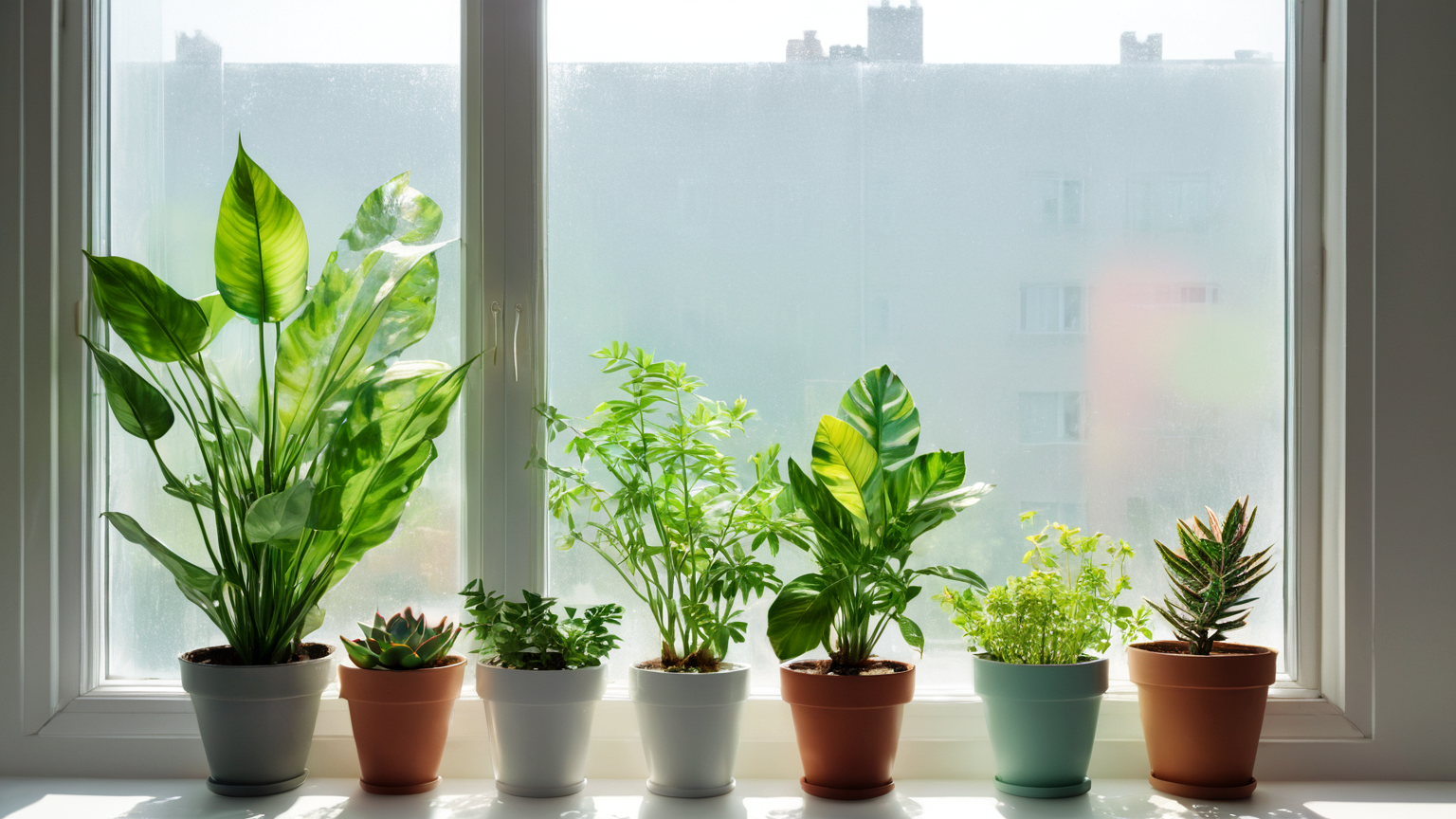
Film choice table
| Problem | Low-risk response | Avoid |
|---|---|---|
| Screen glare | Light filtering film plus desk angle | Blacking out the only daylight |
| Afternoon heat | Curtain layer and removable film | Permanent adhesive without approval |
| Privacy | Frosted lower pane | Covering egress or ventilation paths |
| Plant stress | Move plants back from hot glass | Trapping leaves against the pane |
| Lease uncertainty | Ask before installation | Assuming all film is allowed |

Check the lease and the glass first
Some properties restrict films because of glass stress, residue, appearance, or window warranties. Read the lease, building rules, and product instructions before buying. If the glass is cracked, unusually hot, double-pane with special coatings, or part of a historic or managed facade, do not experiment. A renter-friendly improvement should be reversible and documented.
Layout matters as much as material
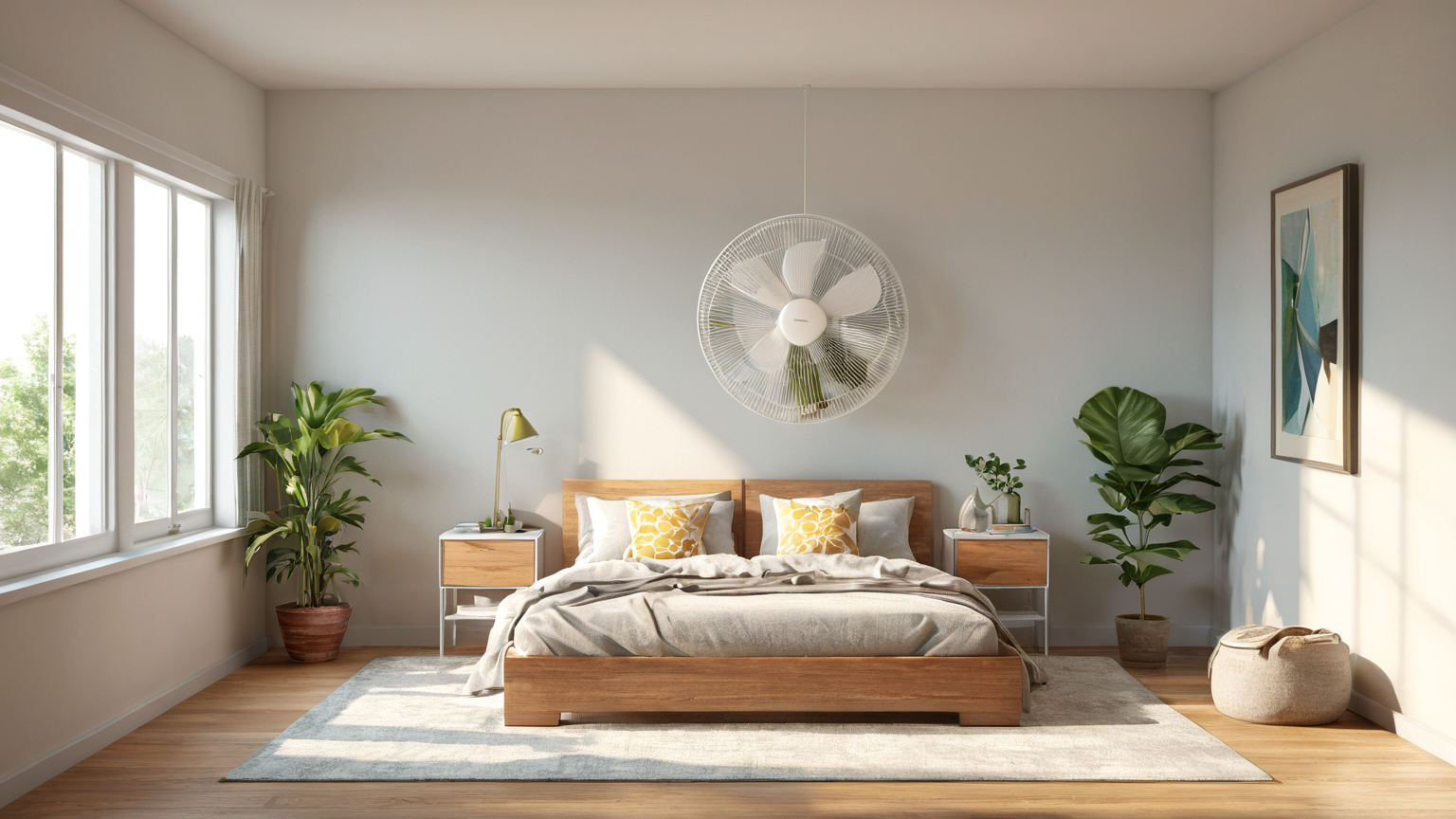
Move desks and seating so direct glare does not hit eyes or screens. Keep soft furnishings, plants, and storage from pressing against hot glass. Leave a clear path for windows that open, portable fans, and emergency egress. Window film works better when the room is arranged to use softened light instead of fighting it.
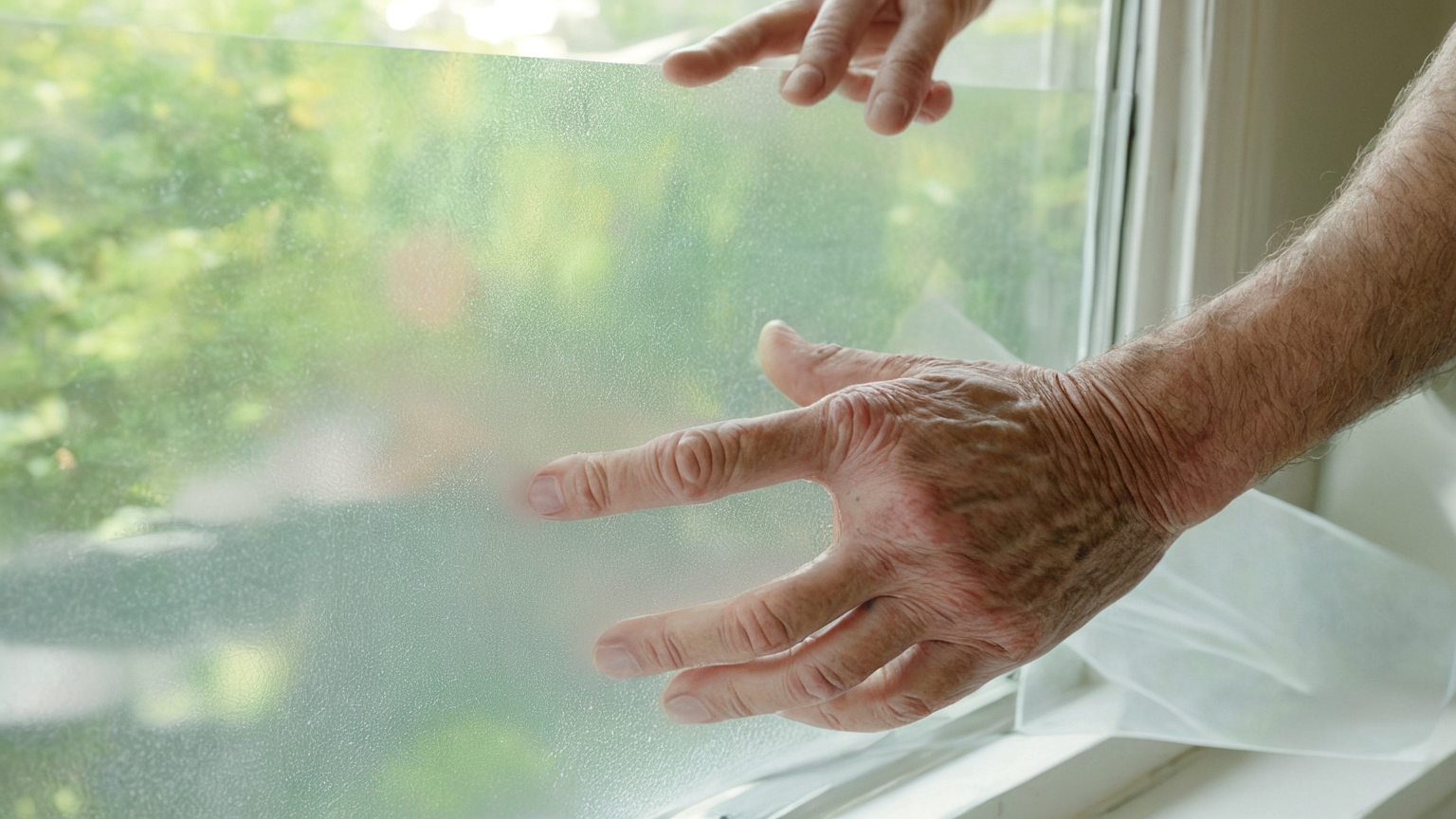
Combine film with curtain strategy
A sheer or light-filtering curtain can soften the room during the day, while a heavier layer can help in the hottest hours. The combination is often more comfortable than a single dark treatment. Keep air circulation in mind; sealing a damp window area behind layers can encourage condensation or musty odors in some climates.
Heat safety is not decor
During extreme heat, interior styling decisions are secondary. Track indoor temperature, follow local alerts, use cooling centers when needed, and check on vulnerable household members. Film and curtains may reduce discomfort, but they do not replace air conditioning, safe hydration, or emergency guidance when heat becomes dangerous.

Installation checklist
Clean gently, test a small area, measure twice, keep the film off gaskets and seals, squeegee without scratching, photograph the approved installation, and save removal instructions. If bubbles remain, fix them slowly rather than scraping. If residue appears during a test, stop and choose curtains or tension rods instead.
Summary
A good window-film plan is user-first: it protects comfort, lease status, daylight, and safety. For AdSense readiness, the article avoids pretending a product solves every heat problem and instead gives renters a practical decision process with clear limits and safer alternatives.