Blackout curtains can make a rental bedroom calmer, but they are often sold with exaggerated promises. They can reduce light, soften glare, add privacy, and sometimes help with heat gain or heat loss. They cannot turn a poorly insulated window into a new window, and they should not trap moisture so tightly that condensation becomes a mold problem. This guide uses current DOE window-covering guidance, EPA indoor-air basics, and tenant-rights context checked in May 2026.
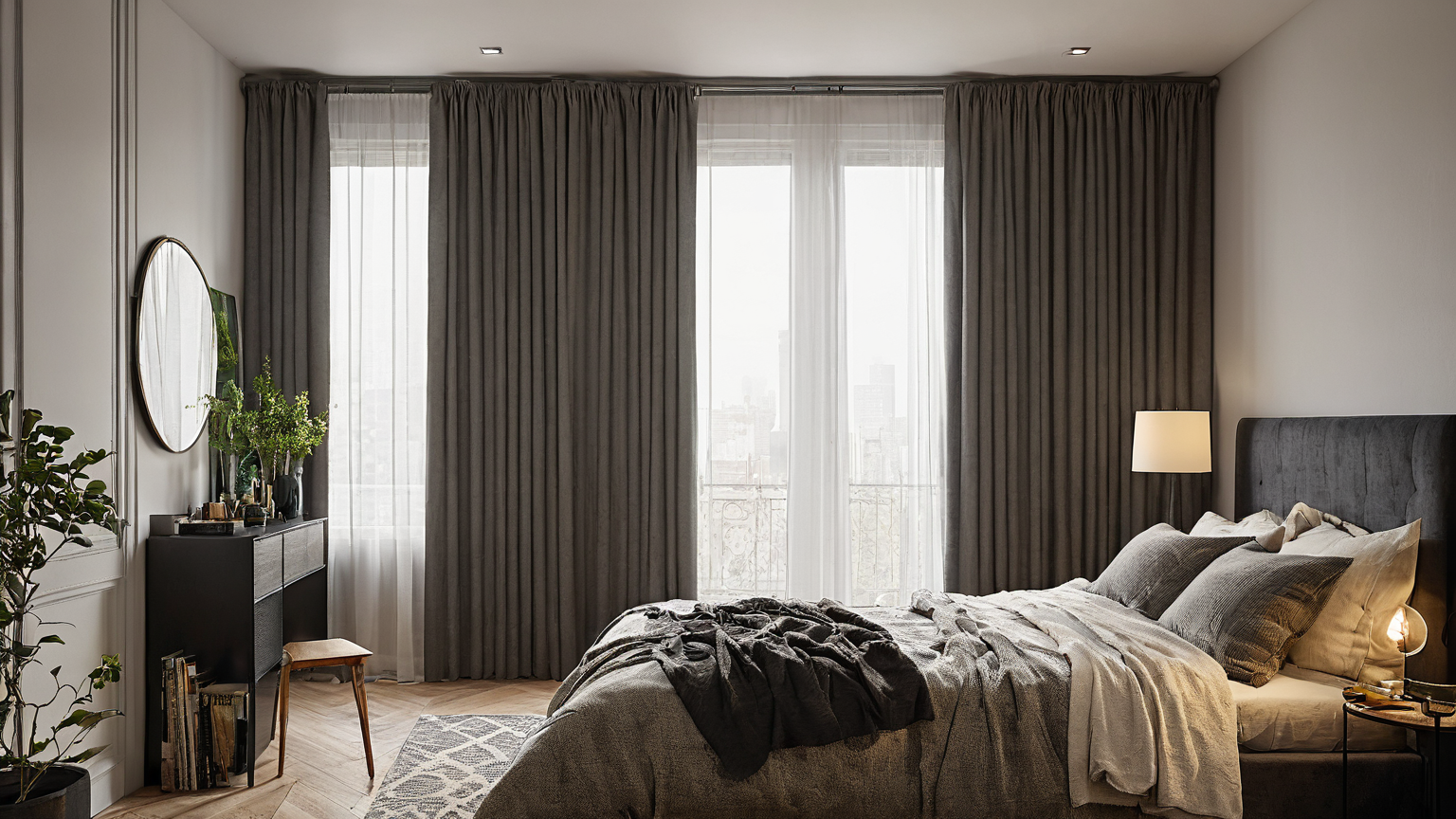
Choose the job before choosing the curtain
Blackout is not one problem. Morning sun, streetlights, screen glare, privacy, summer heat, winter drafts, and nursery naps each call for a slightly different setup. Write down the top two problems before buying. If sleep darkness is the priority, side gaps matter as much as fabric. If heat is the priority, window orientation, exterior shade, and daytime opening habits matter too.
| Goal | Curtain feature that helps | Detail people miss |
|---|---|---|
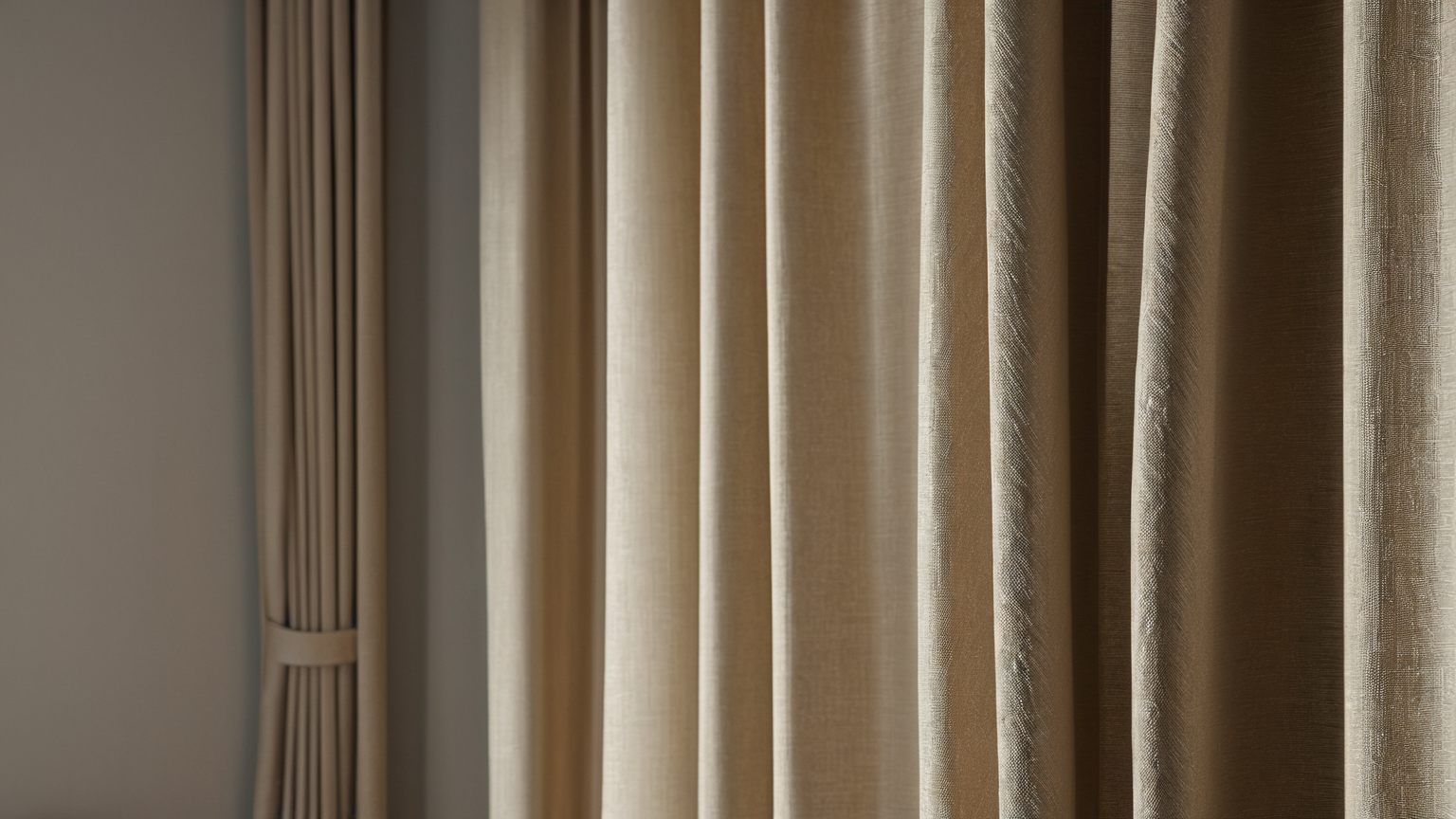
| Sleep darkness | Dense liner, wider panels | Mount outside the frame to cover side gaps |
| Glare control | Medium-heavy fabric | You may not need full blackout in living rooms |
| Summer heat | Light outward-facing liner | Close before direct sun hits the glass |
| Winter comfort | Layered fabric | Do not block needed ventilation or heaters |
| Rental safety | Tension, existing holes, removable hardware | Check lease rules before drilling |
Measure like a window fitter, not a product page
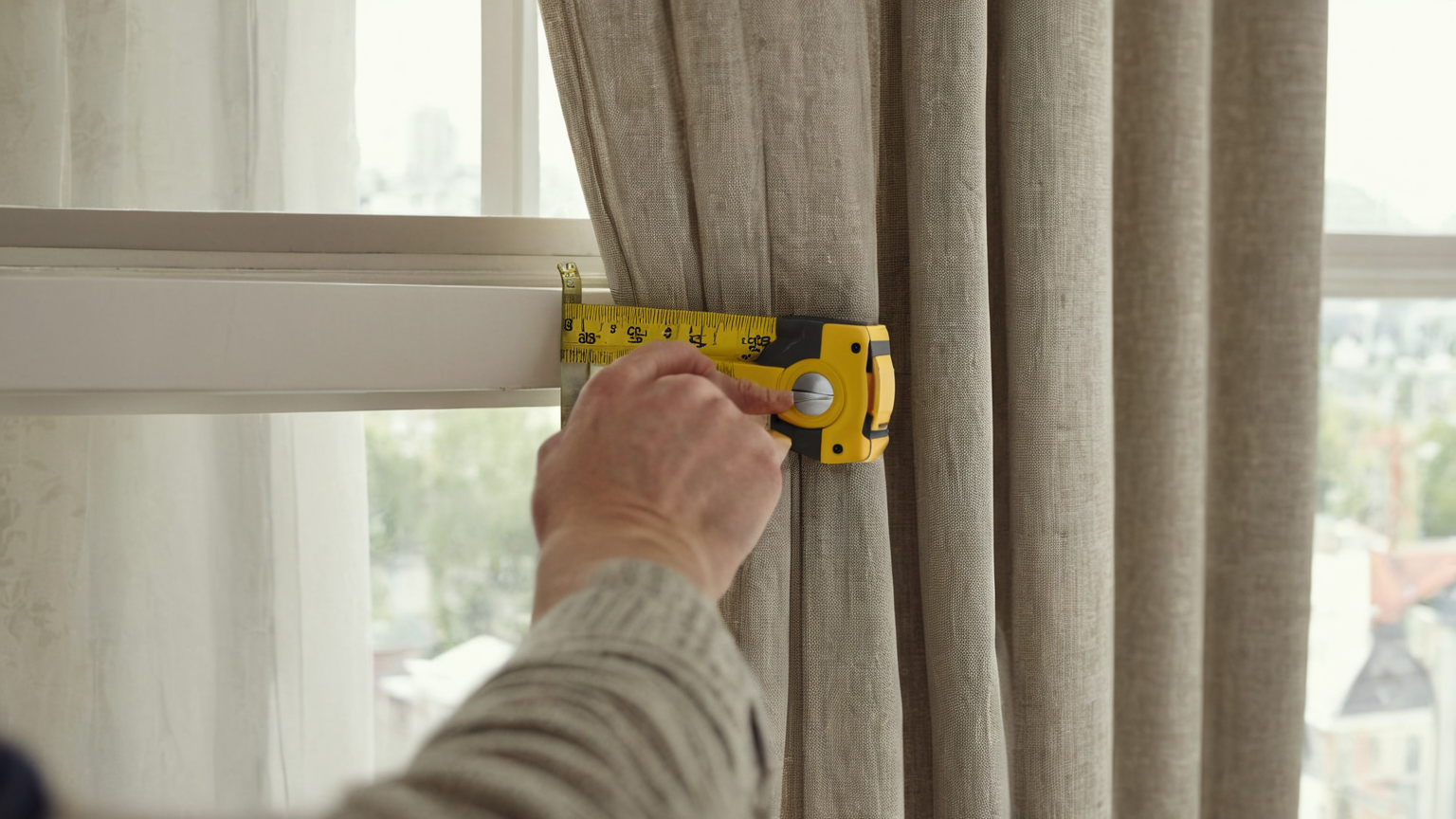
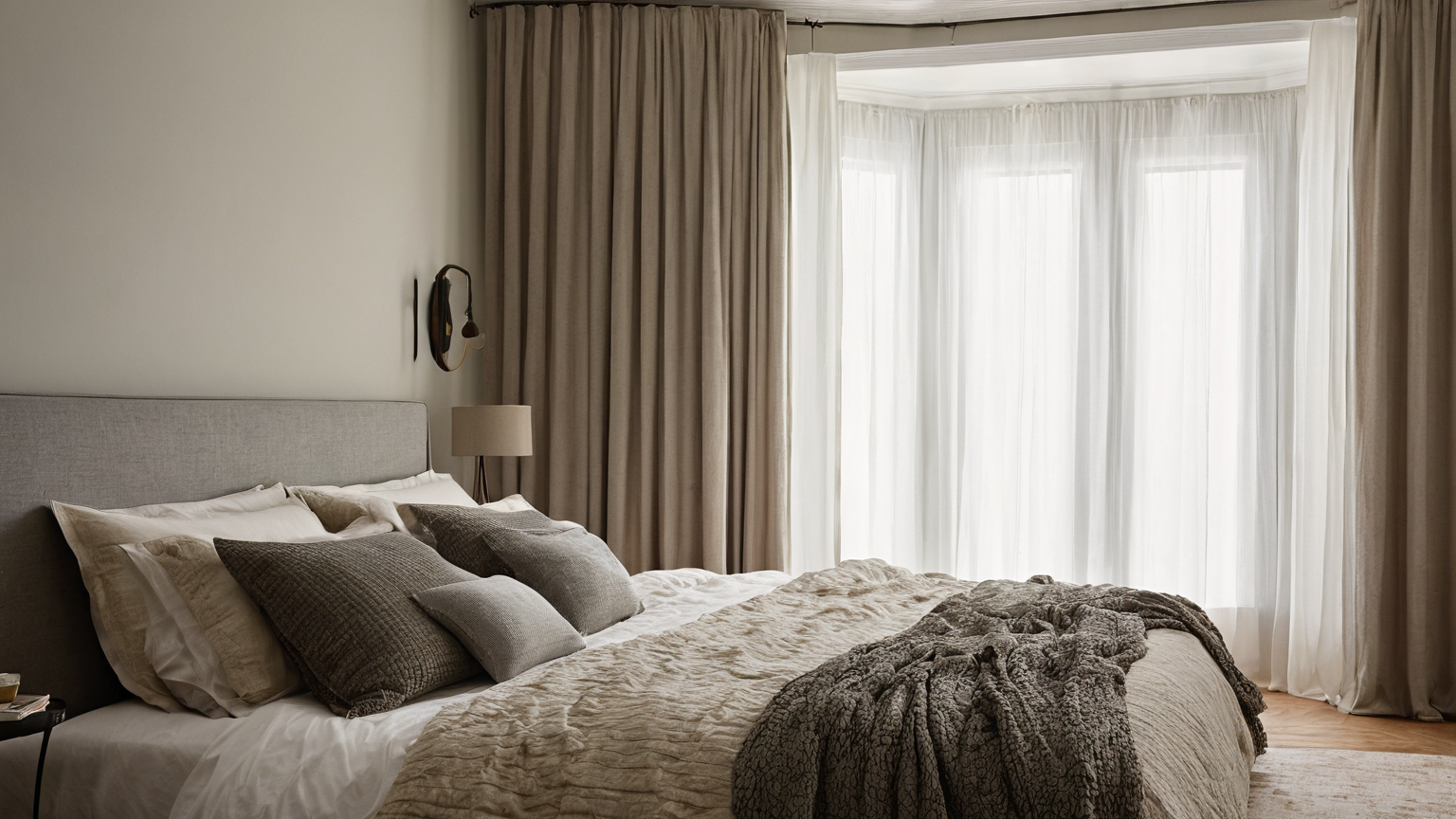
Measure the glass, the full trim, and the wall space around the trim. For sleep, panels should usually extend beyond the window so light cannot leak around the edges. If there is wall space, wider is better than barely covering the frame. Length matters too: curtains that hover above the sill leak light, while fabric dragging on the floor collects dust and can block airflow.
Mounting options for renters
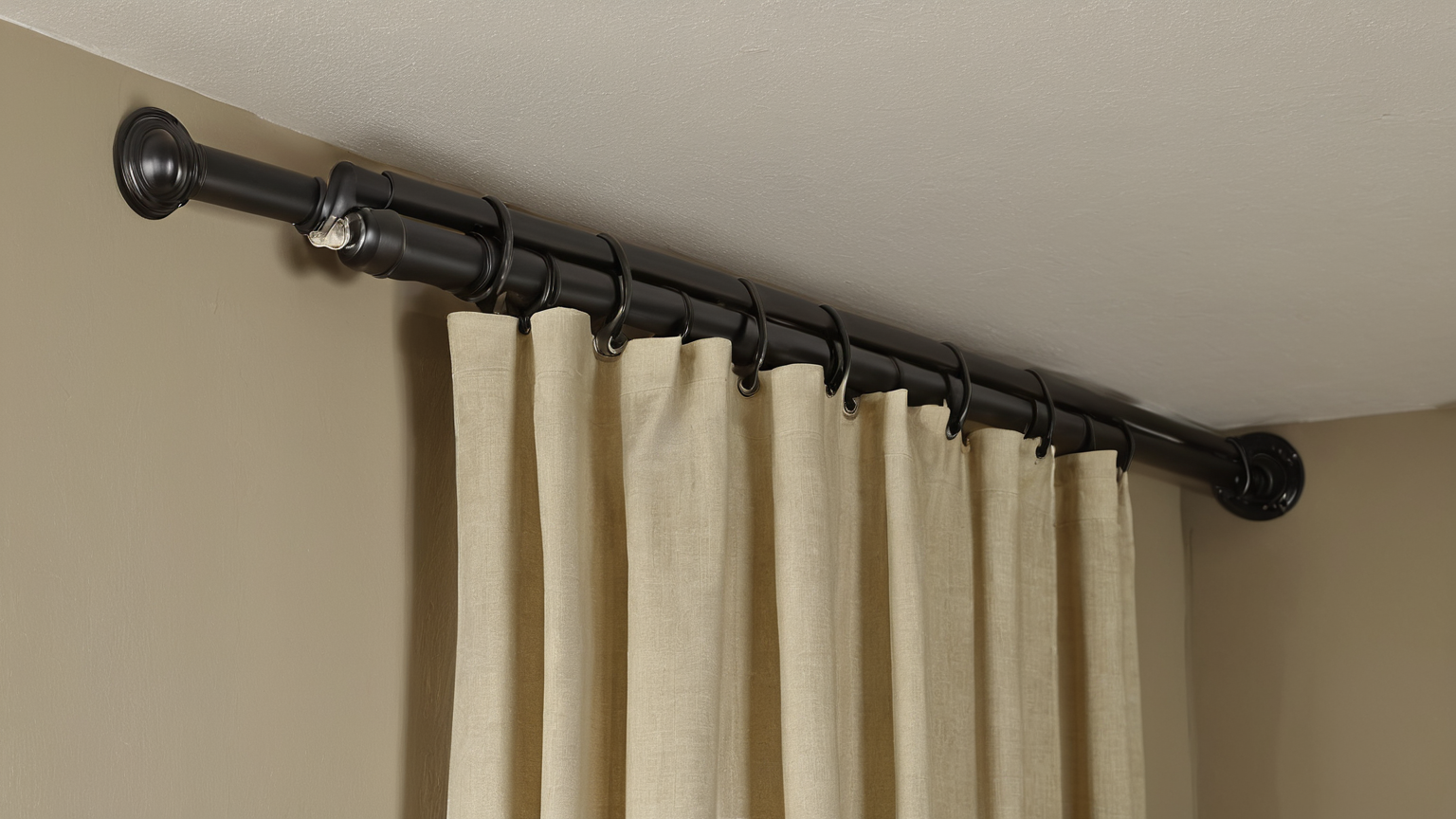
The safest option is using existing brackets or holes with permission. Tension rods are damage-free but can slip, bow, or fail with heavy curtains. Adhesive hooks work only within their rated load and clean-surface limits. No-drill wraparound rods can reduce side gaps, but confirm they fit your frame and curtain weight. If you drill, get written approval when the lease requires it.
Heat and condensation: the tradeoff
Window coverings can help manage heat, but they also change airflow at the glass. In humid rooms or cold weather, a very tight curtain layer can hide condensation. Open curtains daily, check the sill, and avoid pushing furniture hard against damp exterior walls. If you see persistent moisture, treat that as a building or ventilation issue, not a curtain-shopping problem.
A simple installation checklist
- Photograph the window and existing hardware before changes.
- Measure width in three places and height from the planned rod position.
- Choose panels wider than the frame for sleep spaces.
- Confirm rod and hardware load rating.
- Test for slipping before sleeping under or near the curtain.
- Check condensation after the first cold or humid week.
Bottom line
A good renter blackout setup is not just thick fabric. It is the right fabric, enough side coverage, lease-safe mounting, daily ventilation, and honest expectations about heat. Solve the actual window problem, not the marketing headline.