Emergency lighting does not have to turn an entryway into a storage closet. For renters, the goal is a calm landing zone that stays attractive on normal days and becomes useful in a blackout: clear paths, reachable lights, charged batteries, and no lease-breaking wiring. This June 2026 guide combines interior layout with preparedness and electrical safety.
Entryway layout table
| Zone | Design goal | Emergency goal | Avoid |
|---|---|---|---|
| Door path | Open walkway | Exit without tripping | Loose baskets and cords |
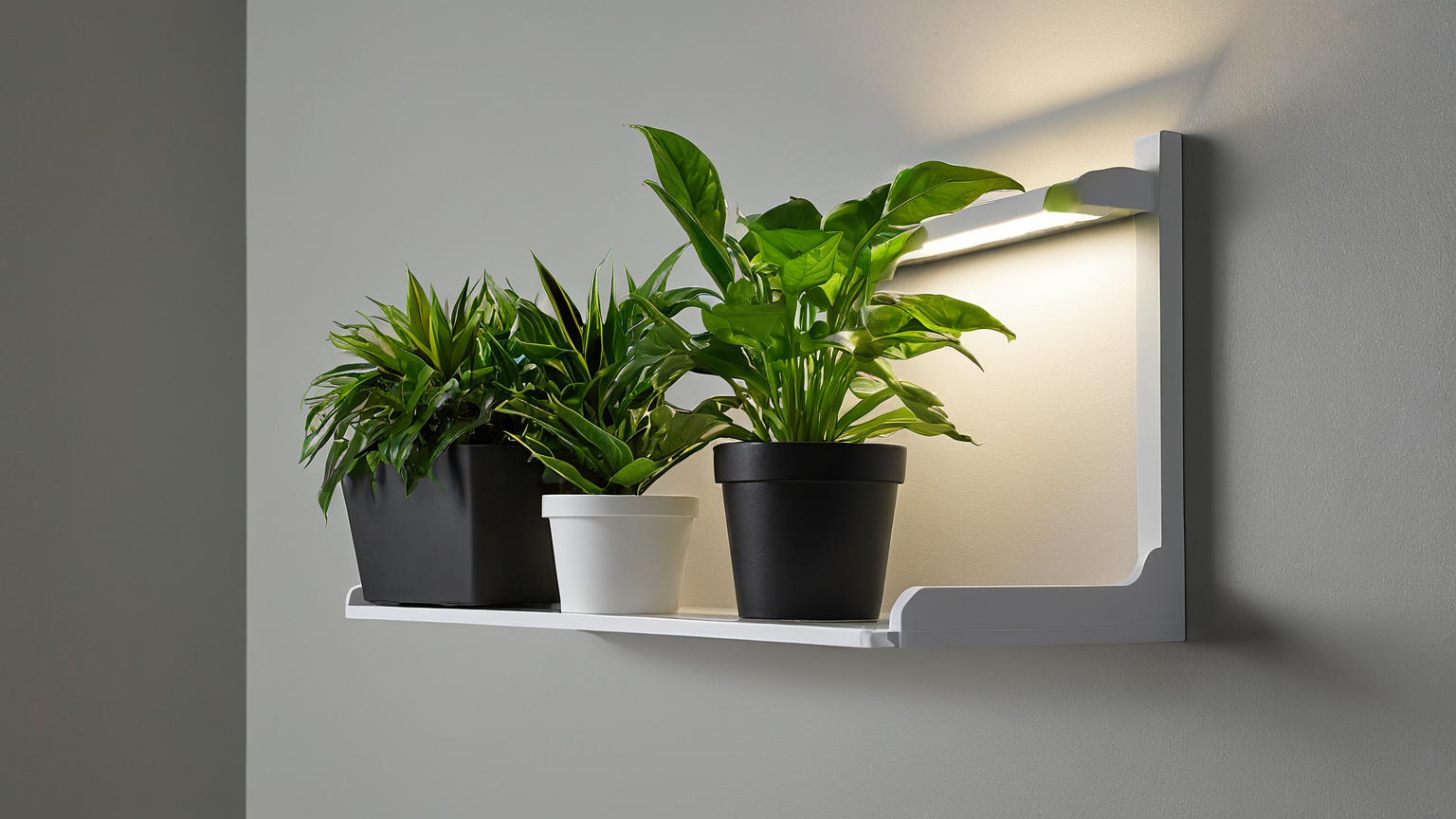
| Shelf or bench | One visible landing spot | Lantern within reach | Deep bins nobody opens |
| Outlet | Safe charging | Rechargeable light topped up | Extension cords under rugs |
| Wall hooks | Light kit access | Grab bag without searching | Heavy items on weak hooks |
| Night route | Low glare | Bathroom or stair visibility | Candles as primary light |
Design for the first ten seconds
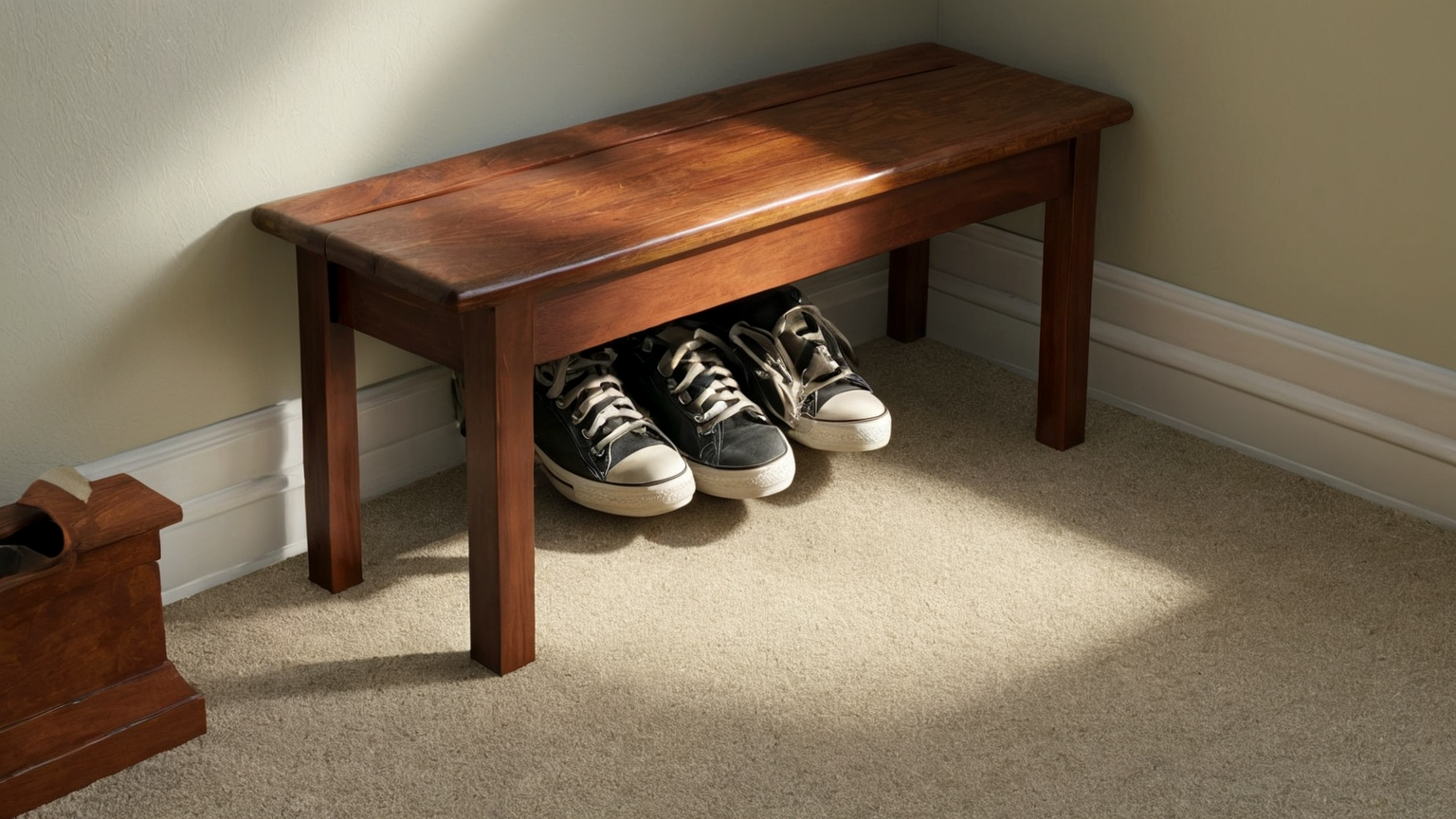
When the power goes out, people reach for what is visible and familiar. Put one rechargeable lantern or battery light where a hand naturally lands near the door, not hidden in a closet. Keep the floor clear enough for sleepy movement, pets, mobility aids, and children. A beautiful entryway that blocks the exit is not good design.
Keep cords out of the walkway
Charging is part of the layout. Use a stable outlet, a short visible cord, and a shelf that does not require routing power under a rug or across the floor. If the only outlet is awkward, charge the light elsewhere and return it to the entry shelf. For renters, avoid drilling, hardwiring, or changing fixtures unless the lease and landlord allow it.
Choose layers, not clutter
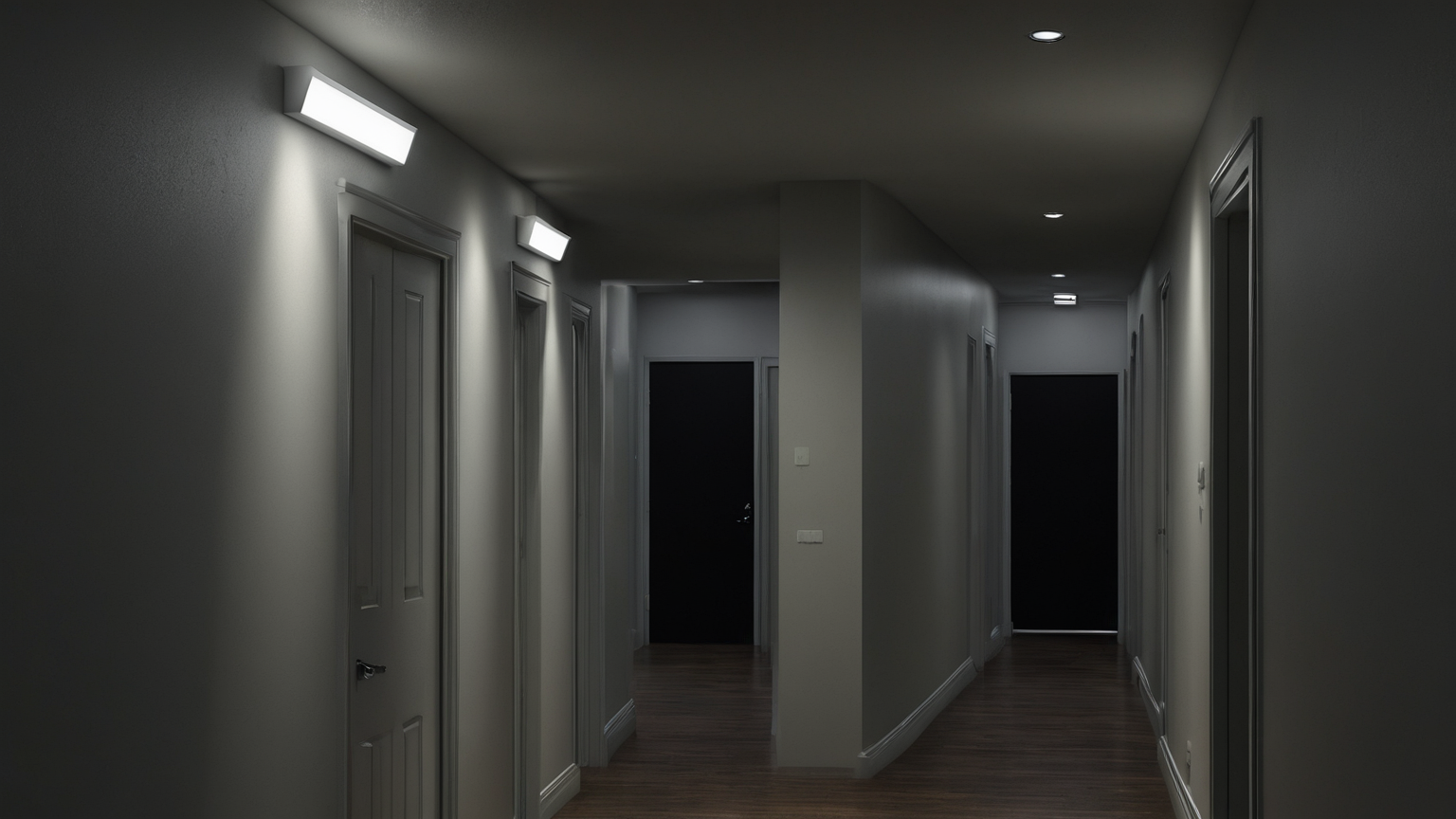
A calm blackout entryway usually needs three layers: a primary lantern, a small night-route light, and a compact pouch with batteries or a power bank. Store them in one tray or drawer. Do not add so many emergency objects that the household stops using the entryway. The best kit is visible enough to be remembered and small enough to maintain.
Avoid unsafe substitutes
Candles may look cozy in photographs, but they are a poor primary emergency lighting plan. Fuel-burning generators, grills, and similar devices do not belong indoors or near openings because of carbon-monoxide risk. Interior design should support safer choices: battery lights, clear exits, and a place to store written emergency contacts if phones are low.

Monthly reset
- Turn on every emergency light.
- Recharge or replace batteries.
- Remove shoes and packages from the exit path.
- Check that the kit is still renter-safe.
- Add seasonal items such as medication reminders or pet supplies.
- Photograph maintenance hazards instead of making permanent changes yourself.

AdSense-readiness note
This page strengthens trust by combining preparedness sources, renter boundaries, and electrical safety. It avoids decorative filler and product pushing, while still giving readers a concrete room improvement.