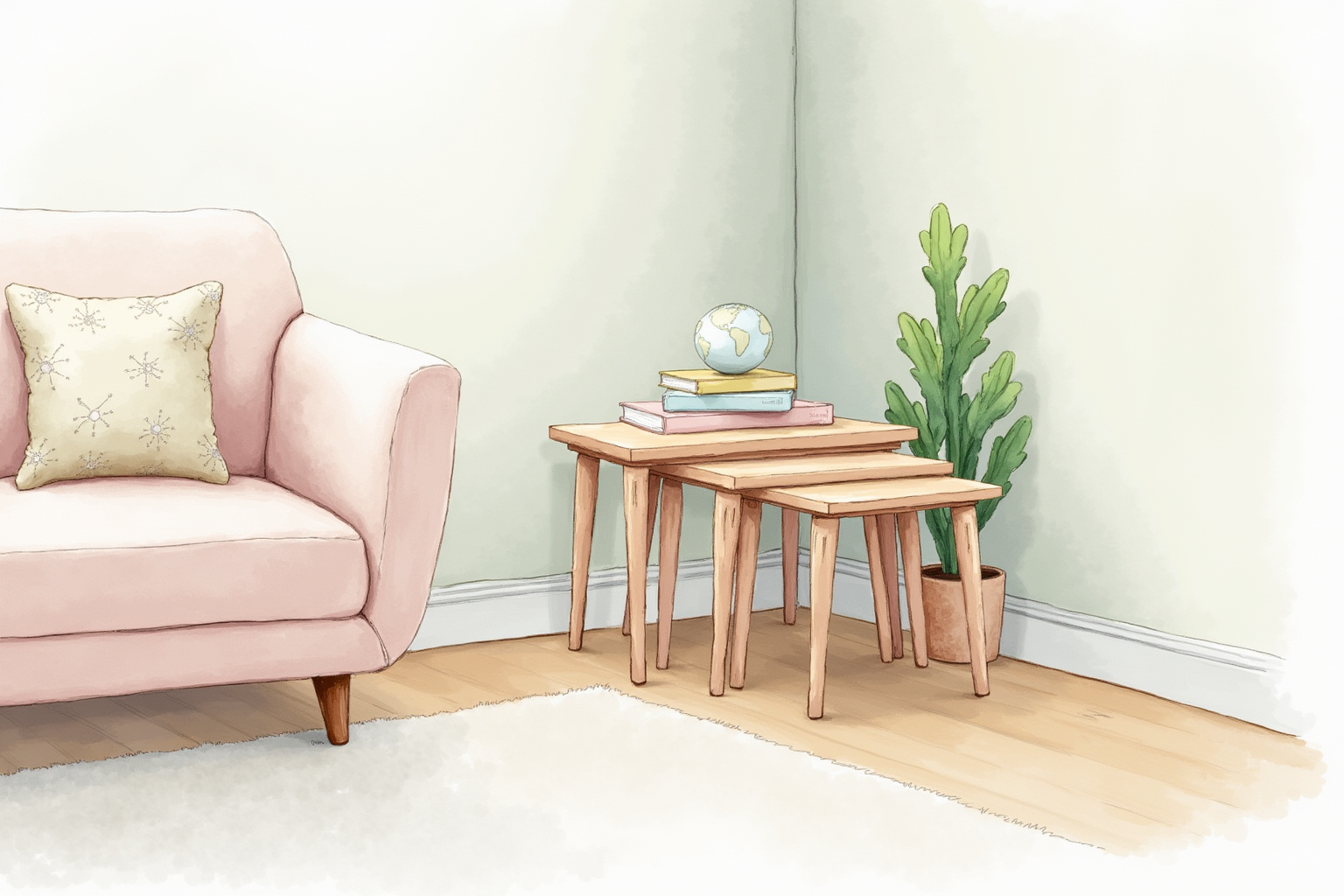
Nesting tables — sets of 2-3 graduated tables that stack into a single footprint — are essential small-apartment furniture. They provide flexible surface space (coffee table, side tables, work surface) while collapsing to a small footprint when not needed. After testing wood, metal, marble-top, and round nesting table sets across multiple apartments, here’s the practical guide.
Why Nesting Tables Excel in Small Spaces
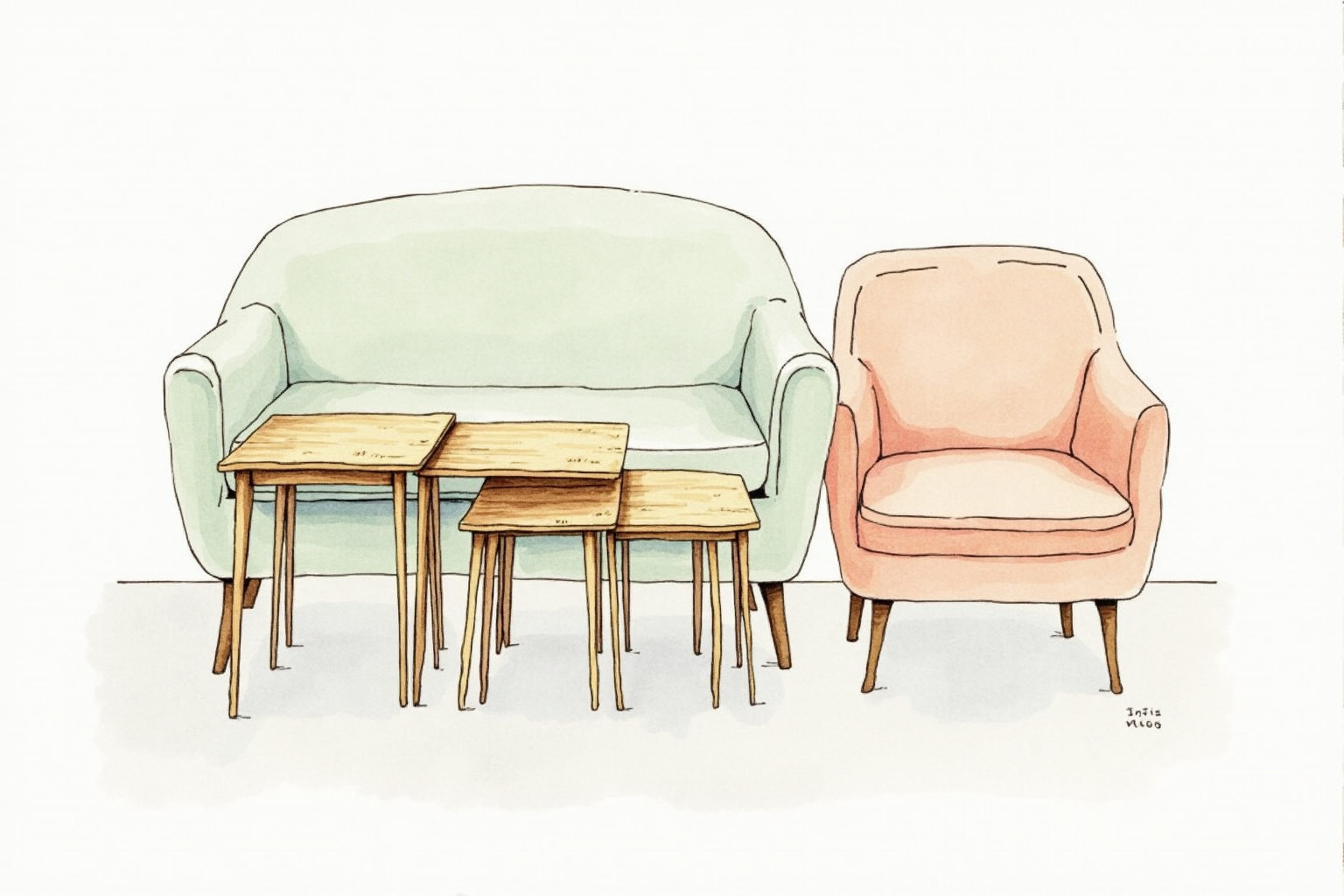
Traditional setup: 1 coffee table (24-36 inches) + 2 side tables (16-20 inches each) = three pieces taking 60+ inches of floor space.
Nesting tables setup: 3-piece nesting set takes 24-36 inches when stacked. Pulled apart for use: provides same 3-surface coverage as separates.
Floor space savings: 50-70% when not in active use.
Visual cohesion: Matched 3-piece set looks more intentional than mismatched coffee + side tables.
The Core Categories
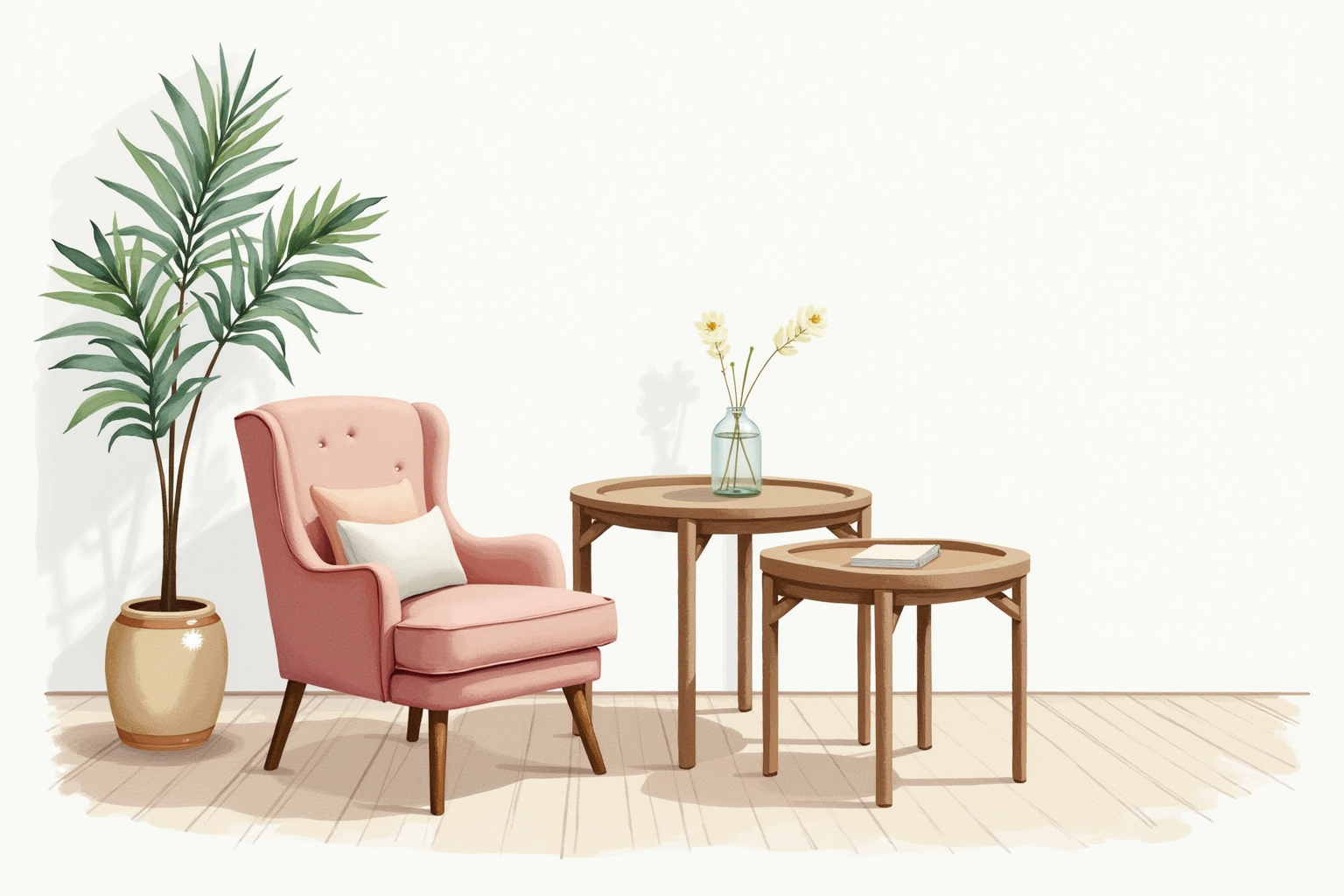
Wood nesting tables: Most aesthetic, warm appearance. Common in mid-century modern style.
Metal frame + marble/glass top: Modern, premium feel. More expensive.
All-metal: Industrial aesthetic. Most affordable.
Round vs square/rectangular: Round looks softer, fits in corners. Square more functional surface area.
For typical small apartments: wood or wood + metal hybrid offers most versatility.
Standard Sizes
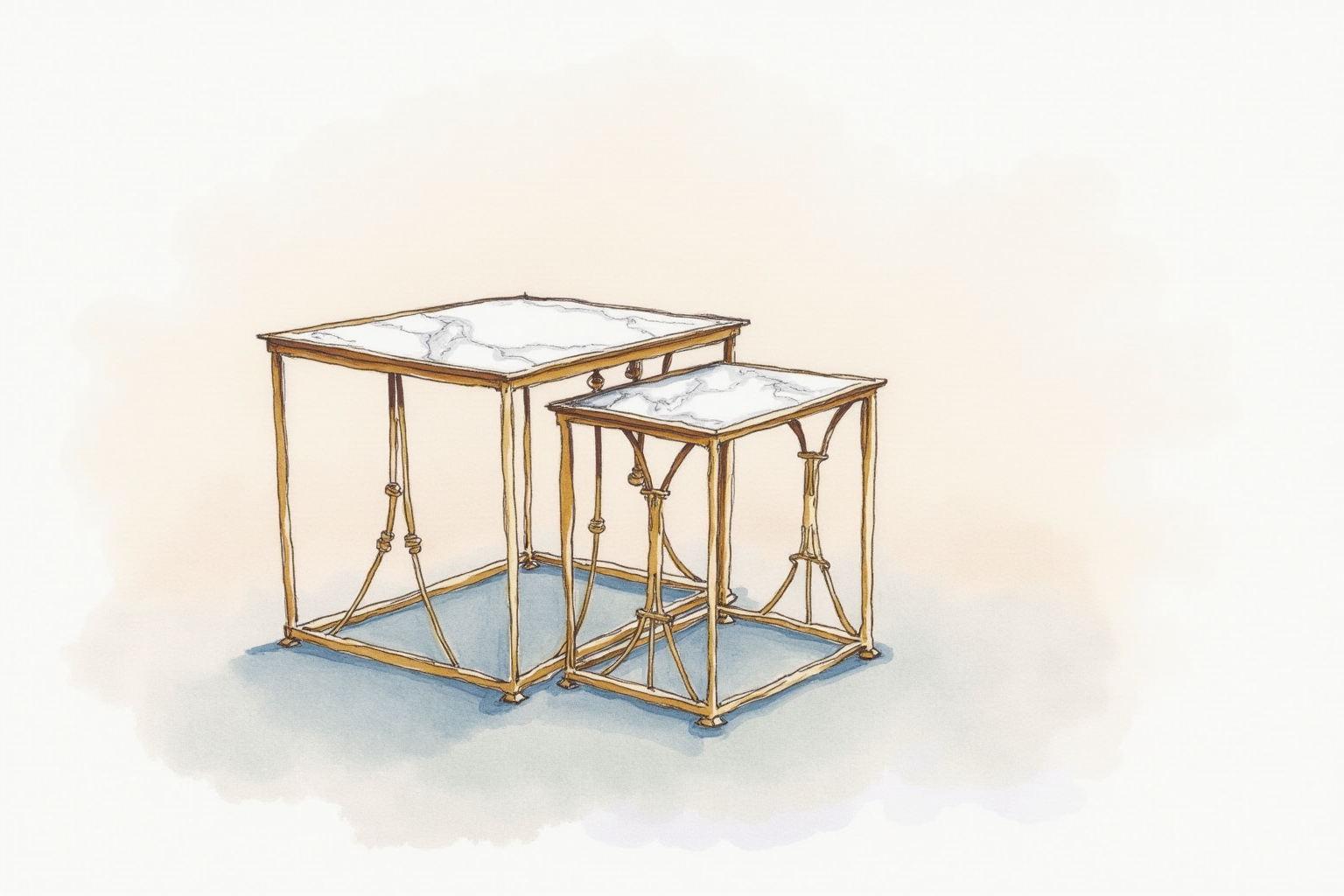
Most 3-piece nesting sets:
Large table: 24-28 inches wide × 18-22 inches deep × 22-24 inches tall. Coffee table substitute.
Medium table: 18-22 × 14-18 × 18-20. Side table size.
Small table: 14-16 × 12-14 × 14-18. Drink/lamp size.
When nested: largest table contains medium + small. Total footprint = largest table dimensions.
Premium Options
West Elm Drift Nesting Tables ($400-700/set of 3): Solid wood, mid-century aesthetic. Made in USA. Lifetime durability.
Article Drift ($300-500/set of 3): Similar aesthetic, slightly more affordable.
Crate and Barrel Marble + Metal ($500-900/set of 3): Premium marble tops with iron frames.
West Elm Industrial ($350-600/set of 3): Wood + metal hybrid.
For design-forward apartments: premium sets create visual anchor in living room.
Article Drift Nesting Tables Set of 3
Price · $300-500 — mid-century modern wood nesting tables
+ Pros
- · Solid wood construction (walnut or oak finish)
- · Three sizes provide flexible surface configurations
- · Lifetime durability with proper care
− Cons
- · Premium pricing vs IKEA alternatives
- · Larger footprint when fully separated (3 tables)
- · Mid-century aesthetic may not match all decor
Paid affiliate link. Price, availability, and ratings can change; verify details on the retailer page before buying.
Mid-Tier Options
IKEA SVALSTA Nesting Tables ($80-130): Bamboo wood. 2-table set (large + medium). Affordable entry point.
IKEA LISABO ($120-200): 3-piece set, hardwood, more traditional aesthetic.
Mainstays/Walmart ($60-120): Budget particle-board options.
For value-conscious users: IKEA SVALSTA at $80-130 delivers 80% of premium aesthetic at fraction of cost.
Use Cases in Daily Life
Coffee table substitute: Largest table as primary coffee table. Pull out smaller tables when needed.
Hosting overflow: 3 surfaces become drink holders for 6+ guests during gatherings.
Workspace augmentation: Pull medium table next to sofa as laptop stand for work-from-couch days.
Plant display: Use small table for plant. Move larger tables aside when plant needs sunlight elsewhere.
Bedside flexibility: Nesting tables work as adjustable bedside furniture — primary table beside bed, secondary tables move as needed.
Material Considerations
Solid wood: Most durable, develops patina over years. Cost: $250-700 per set.
Wood veneer: Cheaper, can chip at edges. Adequate for most use. Cost: $80-200 per set.
Particle board: Cheapest, less durable. 5-10 year lifespan. Cost: $50-120 per set.
Marble top: Heaviest, premium. Susceptible to staining (oil, wine).
Glass top: Modern aesthetic. Fingerprints visible. Tempered for safety.
Metal: Most durable, industrial. Cold to touch.
For most users: solid wood or hardwood veneer is the sweet spot. Premium materials (marble) for design-priority spaces.
Round vs Rectangular
Round nesting tables:
- Softer visual impact, less imposing
- Better for small living rooms (no sharp corners)
- Less usable surface area per footprint
- More expensive typically
Rectangular/square:
- More usable surface for laptops, books, drinks
- Sharper aesthetic
- Often cheaper
- Better in formal dining rooms
For typical small apartments: rectangular offers more practical surface area. Round better for design-focused spaces with elderly residents or children (no corner injuries).
Versatile Configurations
Daily reconfigurations:
Morning coffee: Large table at sofa, medium table at chair for laptop.
Work-from-home: All 3 tables spread across living room as flexible workspaces.
Hosting: Tables distributed throughout room as drink/plate stands.
Evening relaxation: Nested back together to maximize floor space.
This flexibility is the core value of nesting tables — they adapt to immediate needs without becoming permanent obstacles.
IKEA SVALSTA Nesting Tables Bamboo
Price · $80-130 — affordable bamboo nesting tables (2 pieces)
+ Pros
- · Solid bamboo construction with warm aesthetic
- · Two-table set covers most needs at lower cost
- · IKEA quality with reliable availability
− Cons
- · 2-table set vs 3-table premium options
- · Smaller dimensions than premium West Elm/Article alternatives
- · Bamboo less premium than walnut/oak hardwoods
Paid affiliate link. Price, availability, and ratings can change; verify details on the retailer page before buying.
Bedside Table Application
For small bedrooms:
Single bedside table: Most bedrooms have just one. Use medium nesting table as primary.
Pulled out for storage: Small table pulled from beneath holds books, glasses overnight.
Cleaning ease: Nested tables = single footprint to vacuum around. Three separates = three obstacles.
Removable for guests: When hosting, tables relocate to living room as overflow seating surfaces.
Color and Aesthetic Coordination
Wood tones: Match dominant wood in room (floor, sofa frame, dining table).
Metal accents: Black metal frames match industrial aesthetic. Gold/brass for warm decor.
Marble: White or grey marble works with most colors.
Glass: Most versatile — disappears visually, lets other furniture dominate.
For most rooms: wood tone matching existing furniture is safest choice. Reflect or contrast with other wood tones intentionally.
Where to Place
Living room primary: Most common use. Nest near sofa as coffee table alternative.
Bedroom flexibility: Bedside use with overflow into living room when entertaining.
Office augmentation: Movable surfaces around home office. Add laptop stand, reference materials.
Apartment entryway: Pull out smallest as catch-all surface for keys/mail.
Tables migrate based on need. This is their core value vs fixed furniture.
Care and Maintenance
Wood: Wipe with damp cloth weekly. Furniture polish quarterly. Avoid sunlight (fading).
Marble: Sealant every 1-2 years prevents staining. Avoid acids (lemon juice, vinegar).
Glass: Glass cleaner weekly. Microfiber cloth prevents streaks.
Metal: Wipe occasionally. Tighten bolts annually if assembled.
For most users: minimal maintenance. Quality nesting tables last 10-20+ years.
Cost Analysis
For typical 3-piece nesting table set:
Premium (West Elm, Article): $300-700 Mid-tier (IKEA LISABO): $120-200 Budget (Mainstays, generic): $60-120
For most users: $150-300 budget delivers solid quality without overspending. Premium options justified for design-forward apartments.
Compared to Alternatives
vs separate coffee + side tables: Nesting saves 50-70% floor space, looks more cohesive, costs similar.
vs ottoman with tray: Nesting more functional (multiple surfaces). Ottoman adds seating function.
vs trunk/storage coffee table: Trunk adds hidden storage. Nesting adds flexibility. Choose based on priority.
vs minimalist single side table: Nesting provides emergency overflow without permanent footprint.
For most small apartments: nesting tables are the right choice when storage isn’t the primary need.
Bottom Line — Pick Your Use Case
For most apartments — IKEA SVALSTA or similar at $80-200 per set. Affordable, quality bamboo or wood, two or three pieces.
For aesthetic priority — Article Drift or West Elm at $300-700 per set. Mid-century modern walnut, premium build, lifetime durability.
For marble premium — Crate and Barrel marble + metal at $500-900. Statement piece, premium materials, modern aesthetic.
For tight budget — Mainstays/Walmart at $60-120. Particle board adequate for 5-10 year use.
For minimal living rooms — round nesting tables provide softer aesthetic, fit corners well.
Avoid: skipping nesting tables in small apartments (rigid coffee table wastes floor space year-round), buying particle board for high-traffic households (chips and fails quickly), oversizing tables for tight rooms (largest nesting table > 30 inches dominates small spaces).